Leopard Gecko Not Eating: Practical Guide To Restore Appetite
Discover why your leopard gecko stops eating and proven steps to restore its healthy hunger safely at home.
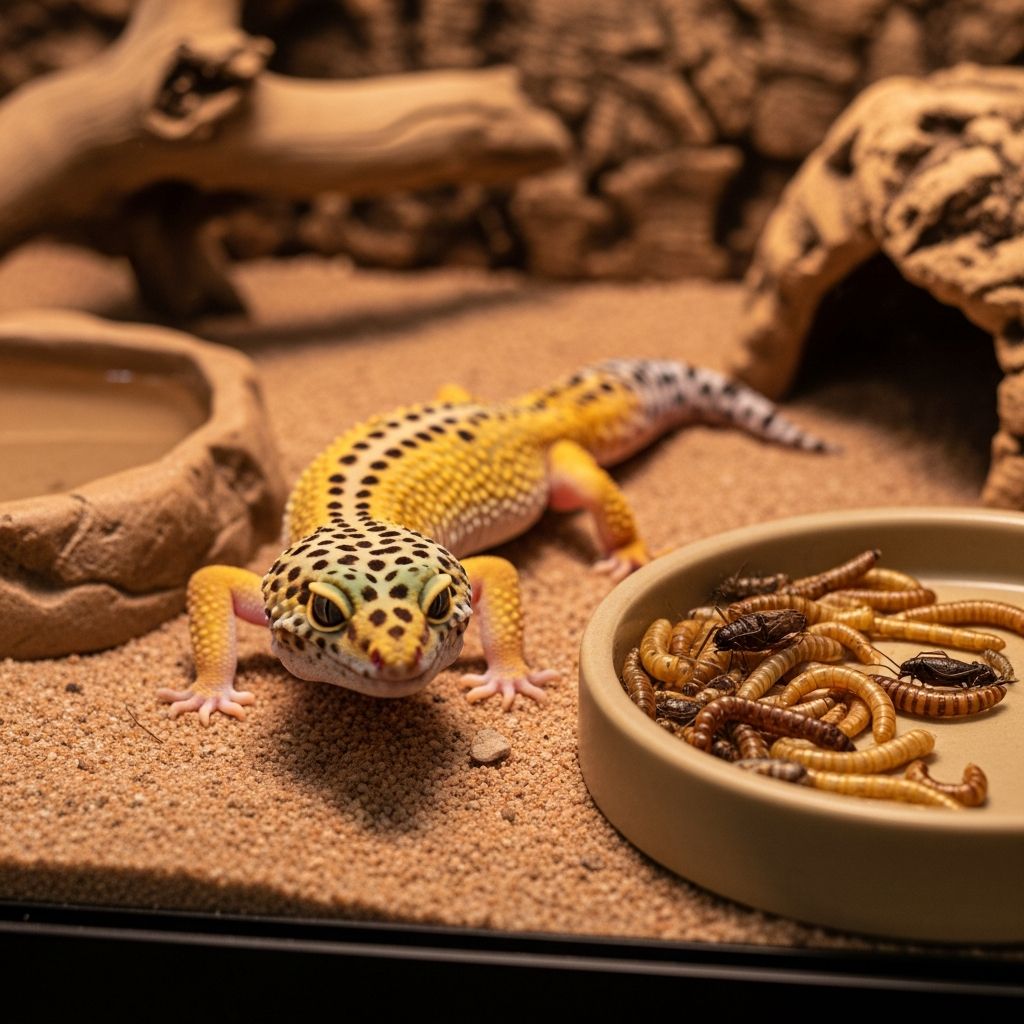
Leopard geckos are popular pets known for their docile nature and straightforward care needs, but owners often face the frustrating issue of sudden appetite refusal. This comprehensive guide examines the primary triggers behind a leopard gecko not eating, offers actionable remedies, and outlines when professional veterinary intervention is essential. By addressing environmental, dietary, behavioral, and health-related factors systematically, you can help your gecko regain its enthusiasm for meals.
Understanding Normal Eating Patterns in Leopard Geckos
Adult leopard geckos typically consume 3-5 appropriately sized insects every other day, adjusting based on age, size, and activity levels. Juveniles eat daily to support rapid growth. Appetite fluctuations are normal during certain life stages, but prolonged refusal—beyond one week for adults or three days for babies—signals potential problems requiring attention. Monitoring weight weekly with a digital scale helps track health trends early.
Environmental Factors Impacting Hunger
The habitat setup profoundly influences a leopard gecko’s willingness to eat. Suboptimal conditions disrupt digestion and comfort, leading to food avoidance.
Temperature Imbalances
Leopard geckos are ectothermic, relying on external heat for metabolic functions. Inadequate warmth slows digestion, causing nausea-like aversion to food. Ideal gradients include a basking zone of 88-92°F and a cool side around 75-80°F, measured with infrared thermometers for accuracy. Under-tank heaters or ceramic emitters provide belly heat without excessive light.
- Maintain surface temperatures: Hot side 88-92°F, cool side 75-80°F.
- Avoid overhead lights that create hot spots over 95°F, risking burns.
- Nighttime drops to 70-75°F mimic natural cycles.
Humidity and Substrate Challenges
Excessive humidity above 40% promotes respiratory issues and bacterial growth, while dryness hinders shedding. Reptile carpet, paper towels, or tile substrates prevent impaction from loose materials like sand. Drafts from poor enclosure placement exacerbate stress.
Stress as a Primary Appetite Suppressant
Newly acquired geckos often fast for 7-10 days while acclimating to novel surroundings, shipping stress, or handler scents. Over-handling, loud noises, or enclosure rearrangements compound this. Allow undisturbed settling periods, limiting interactions to feeding and quick checks.
- Observe from afar using red or black lights for nocturnal activity.
- Introduce one change at a time, waiting 48 hours between adjustments.
Group housing introduces bullying, where dominant individuals hoard food, starving subordinates. House singly unless breeding under supervision.
Biological Cycles Affecting Feeding
Shedding Periods
Prior to ecdysis, geckos reduce intake as energy diverts to skin renewal. Provide a moist hide with sphagnum moss at 70-80% humidity to facilitate complete sheds, preventing stuck skin that leads to infections and further anorexia.
Brumation and Breeding Influences
In cooler months, some geckos enter brumation, a dormancy phase reducing metabolism and food needs. Offer water constantly but do not force-feed. Breeding males fast due to territorial instincts; females may due to egg development or dystocia. Post-season appetites normalize within weeks if conditions stabilize.
Dietary Mistakes Leading to Refusal
Monotonous feeders breed boredom; rotate crickets, dubia roaches, mealworms, and superworms weekly. Prey size rule: width no larger than the gecko’s eye space prevents choking or intimidation. Overfed lazy geckos ignore active prey—mix slow (mealworms) and lively (crickets) options.
| Feeder Insect | Pros | Cons | Frequency |
|---|---|---|---|
| Crickets | Nutritious, active hunter stimulant | Escape artists, chirp noisily | 2x/week |
| Dubia Roaches | High protein, easy to gut-load | Slow-moving | 3x/week |
| Mealworms | Convenient, affordable | High fat if overused | 1x/week |
| Waxworms | Treat for picky eaters | Very fatty | Occasional |
Dust insects with calcium (no D3 4x/week) and multivitamins (2x/week) to combat deficiencies mimicking illness.
Health Conditions Signaling Vet Visits
Persistent refusal with symptoms like lethargy, diarrhea, swollen jaws, or tail kinks indicates parasites, impaction, respiratory infections, or metabolic bone disease (MBD). Cryptosporidium or pinworms require fecal exams; MBD from poor lighting/calcium shows as rubbery limbs.
- Weight loss >10% body mass: Urgent.
- Dehydration signs: Sunken eyes, wrinkled skin—offer electrolyte soaks.
Practical Strategies to Stimulate Appetite
Feeding Techniques
Leave 2-3 insects overnight in a shallow dish; nocturnal feeders often eat unattended. Hand-feed with tongs wiggling prey to trigger instincts, but avoid force to prevent bites or stress.
Enhancements and Monitoring
Gut-load feeders 24 hours prior with greens for nutrition boost. Warm prey slightly to release scents. Track intake in a journal alongside temps/humidity.
FAQs
How long can a leopard gecko go without eating?
Healthy adults: 2-3 weeks; juveniles: 5-7 days. Beyond this, intervene medically.
What if my gecko is active but ignores food?
Likely diet boredom or size issue—switch varieties immediately.
Is fasting normal for new geckos?
Yes, up to 10 days for acclimation. Ensure optimal husbandry.
Can supplements fix refusal?
They support but don’t cure underlying issues like poor temps.
When to see a vet?
After 2 weeks no food, or with symptoms like weight loss/lethargy.
Preventive Care for Consistent Appetites
Annual fecal checks, quarterly deep cleans, and husbandry audits prevent most issues. Quarantine new arrivals 30 days. Invest in reliable thermometers/hygrometers and quality live feeders from reputable suppliers.
By methodically eliminating common causes, most leopard geckos resume eating swiftly. Patience and precision in care yield thriving pets.
References
- Leopard Gecko Not Eating? Here’s Why — Geckopia. 2023. https://thegeckopia.com/blogs/news/leopard-gecko-not-eating-here-s-why
- What to do when your Leopard Gecko doesn’t eat — Reptilian Arts. 2022. https://reptilianarts.com/blogs/news/what-to-do-when-your-leopard-gecko-doesnt-eat
- 20 Reasons Your Leopard Gecko Isn’t Eating — YouTube (Reptile Channel). 2023. https://www.youtube.com/watch?v=02x-YKXd7Ig
- Leopard Gecko refusing to eat — Vet Help Direct. 2024. https://vethelpdirect.com/ask-a-vet/topic/leopard-gecko-refusing-to-eat/
- What to Do if Your Leopard Gecko Stopped Eating — PetHelpful. 2023. https://pethelpful.com/reptiles-amphibians/my-leopard-gecko-quit-eating
Similar Articles








Read full bio of Sneha Tete