

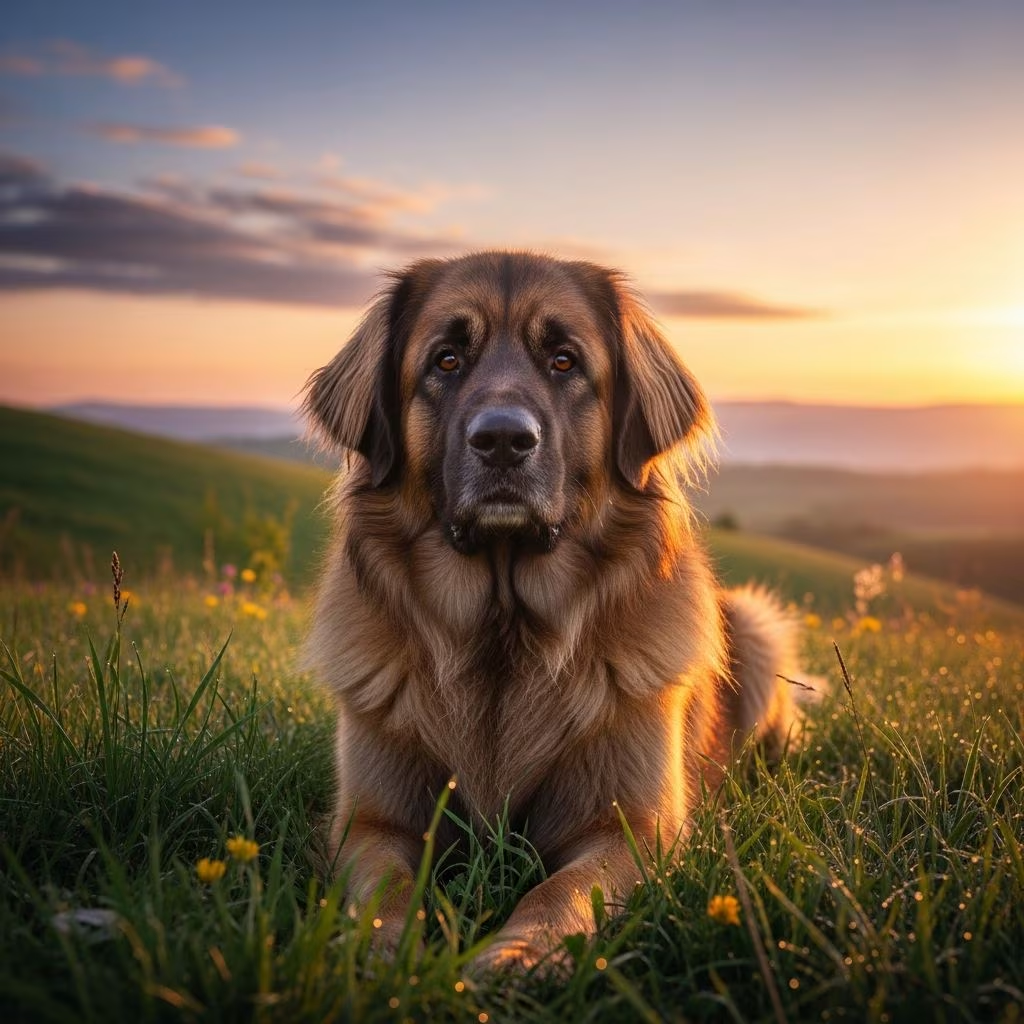
The Leonberger stands out as a striking giant breed, celebrated for its impressive stature, warm personality, and remarkable adaptability. Originating from Germany, this dog combines the power of a working canine with the devotion of a true family friend, making it a beloved choice for those who appreciate large, loving companions.
Origins and Development of the Leonberger
The story of the Leonberger begins in the mid-19th century in Leonberg, Germany, where breeder Heinrich Essig set out to craft a dog that mirrored the lion featured on the town’s coat of arms. Essig, a local politician and avid dog enthusiast, crossed breeds like the Newfoundland, Saint Bernard, and possibly the Great Pyrenees to achieve a large, majestic animal with a fluffy mane and robust build.
Essig’s vision was deliberate: he wanted a versatile worker that could pull carts, assist on farms, and serve as a noble companion. Early Leonbergers varied in color, often appearing in whites and blacks, reflecting the fashionable trends of the era. It wasn’t until later generations that the signature golden coat with a black mask became standardized, solidifying the breed’s iconic lion-like appearance.
By the late 1800s, Leonbergers had captured the attention of European royalty, including figures like Napoleon III and Tsar Alexander II. They served in roles from drafting to water rescue, showcasing their strength and swimming prowess. However, the breed faced near extinction during both World Wars due to shortages and destruction of breeding lines. Post-war efforts by dedicated enthusiasts rebuilt the population, emphasizing health, temperament, and working ability.
Physical Characteristics and Appearance
Leonbergers are true giants, with males typically reaching 28 to 31.5 inches at the shoulder and weighing 130 to 170 pounds, while females are slightly smaller at 25 to 29.5 inches and 100 to 135 pounds. Their double coat is long, water-repellent, and comes in shades of yellow, red, reddish-brown, or sandy, often accented by a distinctive black mask and mane around the neck and chest.
| Trait | Male | Female |
|---|---|---|
| Height | 28-31.5 inches | 25-29.5 inches |
| Weight | 130-170 lbs | 100-135 lbs |
| Coat Colors | Yellow to Reddish-Brown | Yellow to Reddish-Brown |
| Life Expectancy | 7-10 years | 7-10 years |
Their build is harmonious—strong yet elegant—with feathering on the legs, tail, and chest adding to their regal look. This coat provides excellent protection in water and cold weather, aligning with their historical roles.
Temperament and Family Compatibility
Renowned as “gentle giants,” Leonbergers possess a calm, affectionate demeanor that belies their size. They are intelligent, loyal, and eager to please, forming deep bonds with their human families. Well-socialized Leonbergers are friendly toward strangers, children, and other pets, exhibiting patience and playfulness.
These dogs thrive on companionship and can become anxious if isolated for long periods. Their natural watchdog instincts prompt them to bark at intruders without undue aggression, making them reliable protectors. Early socialization ensures they grow into confident, well-adjusted adults.
- Family-Friendly: Ideal for homes with kids due to their tolerant nature.
- Social Butterflies: Get along well with other animals when introduced properly.
- Calm Demeanor: Rarely aggressive; more teddy bear than lion.
Training and Mental Stimulation
Leonbergers’ sharp minds make them responsive to training, especially when positive reinforcement is used. They excel in obedience, agility, and even carting, drawing from their working heritage. Consistency and patience are key, as their size demands firm leadership from puppyhood to prevent behavioral issues.
Start training early: basic commands like sit, stay, and heel are essential for manageability. Their love of learning suits them for dog sports, therapy work, and search-and-rescue. Mental exercises like puzzle toys keep them engaged and prevent boredom-induced mischief.
Exercise Requirements for Optimal Health
Despite their laid-back vibe, Leonbergers need regular moderate exercise to maintain muscle tone and joint health. Aim for 60-90 minutes daily, including walks, swims, and play sessions. Swimming is particularly beneficial, leveraging their webbed feet and love for water.
Avoid high-impact activities on hard surfaces to protect their joints. Secure yards allow for off-leash romps, fostering their playful side. Active families will find Leonbergers perfect partners for hikes and outdoor adventures.
Grooming and Coat Maintenance
The Leonberger’s thick double coat sheds seasonally, requiring weekly brushing to remove dead hair and prevent mats. Bath only as needed to preserve natural oils. Check ears, nails, and teeth regularly; their mane can trap debris.
- Brush 2-3 times weekly, daily during shedding.
- Trim fur between paw pads for traction.
- Professional grooming every 2-3 months optional.
Drooling is moderate, and they have low odor when maintained properly.
Health Considerations and Wellness Tips
Leonbergers are generally hardy but prone to giant-breed issues like hip dysplasia, elbow dysplasia, bloat (gastric torsion), and heart conditions. Lifespan averages 7-10 years. Responsible breeding and routine vet care are crucial.
Feed a high-quality large-breed diet, portion-controlled to avoid obesity. Annual health screenings, including OFA certifications for hips/elbows, help catch problems early. Supplements like glucosamine support joint health.
| Common Health Issues | Prevention Tips |
|---|---|
| Hip/Elbow Dysplasia | Weight management, low-impact exercise |
| Bloat | Feed smaller meals, avoid exercise post-eating |
| Heart Disease | Regular vet checkups |
Nutrition and Feeding Guidelines
Puppies require controlled growth to prevent skeletal issues: feed three meals daily until 6 months, transitioning to twice daily. Adults need 4-8 cups of kibble per day, adjusted for activity. Prioritize proteins, joint-support ingredients, and avoid fillers.
Fresh water always available. Monitor weight quarterly, as excess pounds strain joints.
Choosing and Raising a Leonberger Puppy
Select breeders who health-test parents and prioritize temperament. Puppies grow rapidly—be prepared for space, supplies, and commitment. Enroll in puppy classes for socialization. Provide crate training for house manners.
Costs range from $2,000-$5,000 for quality pups. Adoption from rescues is another option.
Leonbergers in Modern Activities
Today, Leonbergers shine in therapy, service roles, and sports like drafting and herding. Their calm nature suits emotional support work, while strength enables cart-pulling demos.
Frequently Asked Questions (FAQs)
Are Leonbergers good with children?
Yes, their gentle, patient temperament makes them excellent with kids when supervised.
How much exercise does a Leonberger need?
60-90 minutes of moderate activity daily, including walks and play.
Do Leonbergers drool a lot?
Moderately, especially after drinking; manageable with routine care.
What’s the best living environment for a Leonberger?
Spacious home with yard; not ideal for apartments due to size.
Are Leonbergers easy to train?
Yes, with positive methods; start early for best results.
Why Choose a Leonberger?
For those ready for a devoted, majestic companion, the Leonberger offers unmatched loyalty and versatility. Their blend of strength, smarts, and sweetness ensures a rewarding bond.
References
- Leonberger Dog Breed and Characteristics — Showsight Magazine. 2023. https://showsightmagazine.com/dog-breeds/leonberger/
- Leonberger History: The “Secret Mascot” of Leonberg — American Kennel Club. 2023. https://www.akc.org/expert-advice/dog-breeds/history-behind-the-leonberger/
- History of the Leonberger — Leonberger Life. 2023. https://leonbergerlife.com/history-of-the-leonberger/
- Leonberger — Wikipedia (citing primary breed standards). 2026. https://en.wikipedia.org/wiki/Leonberger
- History of Leonbergers — Stony Creek Leonbergers. 2023. http://www.stonycreekleonbergers.com/history-of-leonbergers.html



