

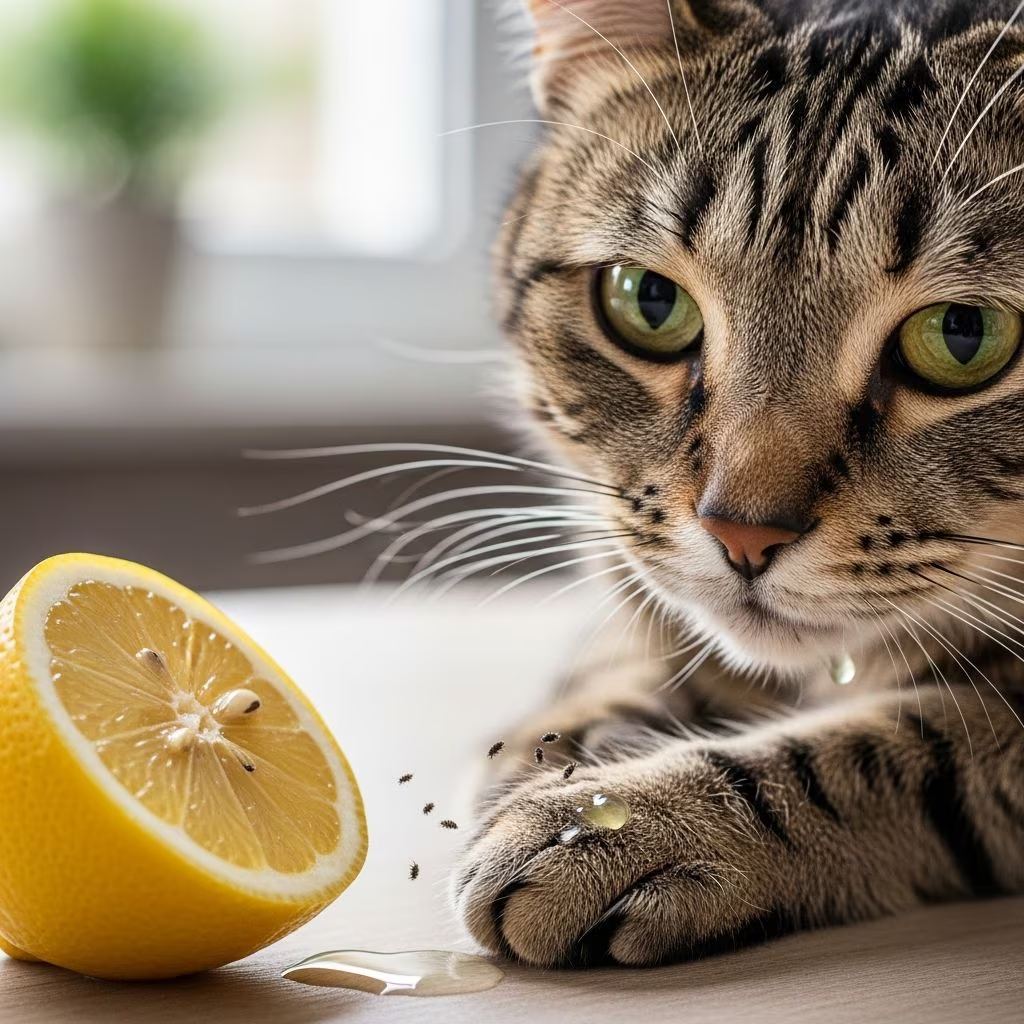
When pet owners discover their cats have fleas, the search for solutions often leads them toward home remedies. Among the most frequently recommended options is lemon juice—a substance that seems appealing because it’s natural, inexpensive, and readily available in most kitchens. However, veterinary professionals consistently warn against using lemon juice on cats despite its popularity in online forums and blogs. The truth behind this remedy involves understanding feline physiology and the chemical composition of citrus fruits.
The Toxic Chemical Compounds in Citrus
Lemon juice contains several naturally occurring chemicals that pose significant health risks to cats. The primary concern involves limonene, a compound found in the peel and juice of citrus fruits. Limonene gives lemons their characteristic pleasant aroma and taste but is classified as toxic to cats, dogs, horses, and fish. This chemical is not approved as a pesticide for use on pets, and veterinary toxicologists have documented numerous cases of adverse reactions when cats are exposed to limonene-containing products.
Another problematic compound present in lemon juice is psoralens. These chemical compounds work in combination with limonene to create compounding health effects. Together, they can interfere with liver function and cause cumulative toxicity, especially when exposure occurs repeatedly over time.
Understanding Feline Skin Sensitivity
Beyond the toxic chemicals themselves, the physical characteristics of cat skin make them particularly vulnerable to citrus-based treatments. Cats possess delicate and thin skin that differs significantly from human skin. Their skin barrier is more permeable and requires careful consideration when choosing topical treatments.
When lemon juice—an acidic substance with a pH of approximately 2 to 3—comes into contact with feline skin, it acts as an irritant. This irritation is comparable to the discomfort humans experience when lemon juice enters a fresh cut. For a cat already suffering from flea-related skin damage and scratching, the application of lemon juice compounds the problem significantly. The combination of existing flea damage and acidic irritation creates a painful and inflammatory situation rather than a therapeutic one.
Documented Health Effects from Lemon Juice Exposure
When cats ingest or absorb limonene through their skin, they may experience a range of symptoms indicating poisoning. The severity of these effects depends on the concentration of the substance and the frequency of exposure:
- Loss of coordination and balance
- Muscle tremors and involuntary movements
- Excessive drooling
- Respiratory difficulties and impaired breathing function
- Vomiting and nausea
- Gastrointestinal distress and diarrhea
These symptoms can emerge relatively quickly after exposure, particularly if the cat licks or grooms areas where lemon juice has been applied. Since cats are meticulous groomers and spend considerable time cleaning their fur, ingestion of lemon-treated areas is nearly inevitable.
Behavioral and Sensory Complications
Beyond chemical toxicity, cats experience profound sensory discomfort from lemon juice due to their heightened sensitivity to citrus scents. Feline olfactory systems are far more sophisticated than human smell capabilities, making the potent odor of lemon intensely unpleasant to them. When lemon juice is applied to a cat’s fur, the strong smell can trigger anxiety, stress, and behavioral changes.
This sensory aversion creates an additional problem: it causes nasal and skin irritation simply through exposure to the scent compounds. The feline respiratory system can become irritated by volatile organic compounds released from lemon juice, leading to sneezing, nasal discharge, or breathing difficulties in sensitive cats.
Limited Effectiveness Against the Complete Flea Life Cycle
Even if we were to overlook the safety concerns, lemon juice fails to address the fundamental challenge of flea elimination. Fleas progress through four distinct life stages: eggs, larvae, pupae, and adult fleas. Each stage requires different treatment approaches, and a truly effective remedy must target all four stages simultaneously.
At best, lemon juice may repel or temporarily stun some adult fleas due to the limonene content. However, it provides no effect on flea eggs, larvae, or pupae. This means that even if some adult fleas are deterred by lemon juice application, the developing stages continue their lifecycle uninterrupted. Within a matter of weeks, new adult fleas emerge from the protected pupae, leading to rapid reinfestation.
For effective flea elimination, the treatment must break the cycle at multiple points. Targeting only adult fleas while ignoring three-quarters of the population essentially guarantees treatment failure.
The Impracticality of Lemon Juice Treatment
Even setting aside health concerns, the practical demands of using lemon juice for flea control make it an unrealistic solution. To achieve any temporary suppression of adult fleas, lemon juice must be applied to the cat’s entire coat and reapplied daily. This daily treatment schedule is both unsafe and impractical for most pet owners.
The requirement for daily applications means cumulative exposure to limonene and psoralens, increasing the risk of systemic toxicity. Additionally, most cats quickly learn to avoid being sprayed with substances they find unpleasant, making consistent application increasingly difficult as days pass.
Comparing Lemon Juice to Veterinary-Approved Alternatives
| Treatment Method | Targets All Life Stages | Safe for Cats | Duration of Protection | Veterinary Approval |
|---|---|---|---|---|
| Lemon Juice | No, adults only | No, contains toxic compounds | Temporary (hours) | Not recommended |
| Prescription Topical Treatments | Yes, all stages | Yes, formulated for cats | 1-3 months | Highly recommended |
| Oral Flea Medications | Yes, all stages | Yes, species-specific | 1-3 months | Highly recommended |
| Environmental Treatments | Yes, in home | Yes, with proper application | Varies | Recommended as support |
Safe Natural Alternatives Worth Considering
While lemon juice is unsafe, other options exist that pose fewer risks. Diatomaceous earth (food-grade only) works through physical rather than chemical mechanisms, damaging the exoskeletons of fleas without requiring ingestion. Additionally, bathing cats with Dawn dish soap can temporarily reduce flea populations while being gentler on feline skin than acidic citrus solutions.
However, even these alternatives should be discussed with a veterinarian before implementation, as individual cats may have sensitivities or health conditions that could be affected by these treatments.
The Timeline for Professional Flea Elimination
When cats receive comprehensive veterinary treatment that includes approved medications, household cleaning, and regular monitoring, flea elimination typically requires 8 to 12 weeks. This timeline reflects the biological reality of the flea lifecycle and the need to treat multiple generations.
During this period, veterinarians recommend maintaining consistent preventive treatments, washing bedding regularly, and vacuuming living spaces thoroughly. This multi-pronged approach ensures that fleas are eliminated at every stage of development throughout the home environment.
Why Cat-Specific Formulations Matter
Veterinary-approved flea treatments are designed with feline physiology in mind. Cats metabolize drugs differently than dogs, and substances safe for canines can be dangerous for cats. Commercial cat flea products undergo rigorous testing to ensure they work at the doses provided without causing harm.
These formulations consider the unique characteristics of cat skin, their grooming behaviors, their sensitive livers, and their inability to process certain compounds efficiently. When you use a product specifically formulated for cats, you receive the benefit of decades of veterinary research and safety testing.
Making the Decision: Professional Guidance Matters
The temptation to use lemon juice stems from valid impulses: the desire to treat a problem quickly, inexpensively, and using natural ingredients. However, these goals should not override the safety and wellbeing of your cat. Veterinarians can recommend prescription or over-the-counter products that are simultaneously more effective and safer than home remedies.
Different cats have different risk factors. Kittens, senior cats, and those with existing health conditions may require specialized flea treatment approaches. A veterinarian can assess your individual cat’s health status and recommend the most appropriate option.
Frequently Asked Questions
What happens if I accidentally use lemon juice on my cat?
If lemon juice has been applied to your cat, wash the affected areas thoroughly with lukewarm water and mild soap immediately. Monitor your cat for signs of poisoning, including vomiting, drooling, tremors, or difficulty breathing. Contact your veterinarian or poison control center if any symptoms develop.
Can diluted lemon juice be safer for cats?
Both undiluted and diluted lemon juice carry risks due to their limonene and psoralene content. Diluting the juice reduces concentration but does not eliminate toxicity, especially with repeated applications or if the cat ingests the mixture through grooming.
Why do some sources recommend lemon juice for fleas?
Older sources and pet blogs often recommend lemon juice because limonene does have some insecticidal properties against adult fleas. These sources may underestimate the toxicity risk to cats or may present information without veterinary verification.
How long does flea treatment take to work?
Prescription flea treatments typically begin killing adult fleas within hours, but complete elimination of all flea lifecycle stages requires weeks to months. The full 8-12 week timeline accounts for new flea emergence from pupae that were protected during earlier treatment phases.
Are there any truly safe home remedies?
While limited options exist, any home remedy should be discussed with a veterinarian first. Food-grade diatomaceous earth and specialized flea combs can be helpful when used under professional guidance, but they work best in conjunction with veterinary-approved primary treatments.
Conclusion: Prioritizing Your Cat’s Health
Lemon juice represents a common misconception in pet care—the belief that natural automatically means safe. While lemons are harmless and healthful for humans, their chemical composition makes them hazardous for feline companions. The toxic compounds limonene and psoralens, combined with the acidic nature of lemon juice and cats’ natural aversion to citrus scents, create a treatment option that causes harm rather than healing.
The ineffectiveness of lemon juice against the complete flea lifecycle further demonstrates why this home remedy cannot substitute for evidence-based veterinary care. Instead of risking your cat’s health with unproven remedies, consult with your veterinarian about prescription treatments, topical solutions, or oral medications that have been proven safe and effective for feline use. Your cat’s comfort and safety deserve nothing less than professional-grade solutions.
References
- Does Lemon Juice Kill Fleas on Cats? — FurLife. Accessed January 2026. https://getfurlife.com/blogs/news/does-lemon-juice-kill-fleas-on-cats
- Does Lemon Juice Kill Fleas on Cats? Vet-Verified Effectiveness — Catster. Accessed January 2026. https://www.catster.com/cat-health-care/does-lemon-juice-kill-fleas-on-cats/
- How Can I Get Rid of Fleas on My Kitten? — MedicineNet. Accessed January 2026. https://www.medicinenet.com/how_can_i_get_rid_of_fleas_on_my_kitten/
- Best Homemade Flea Treatment for Cats — KwikPets. Accessed January 2026. https://www.kwikpets.com/blogs/cat/homemade-remedy-for-fleas-on-cats
- Home Remedies to Keep Fleas Off Pets — Waynes Pest Control. Accessed January 2026. https://callwaynes.com/blog/home-remedies-to-keep-fleas-off-of-your-pet/



