

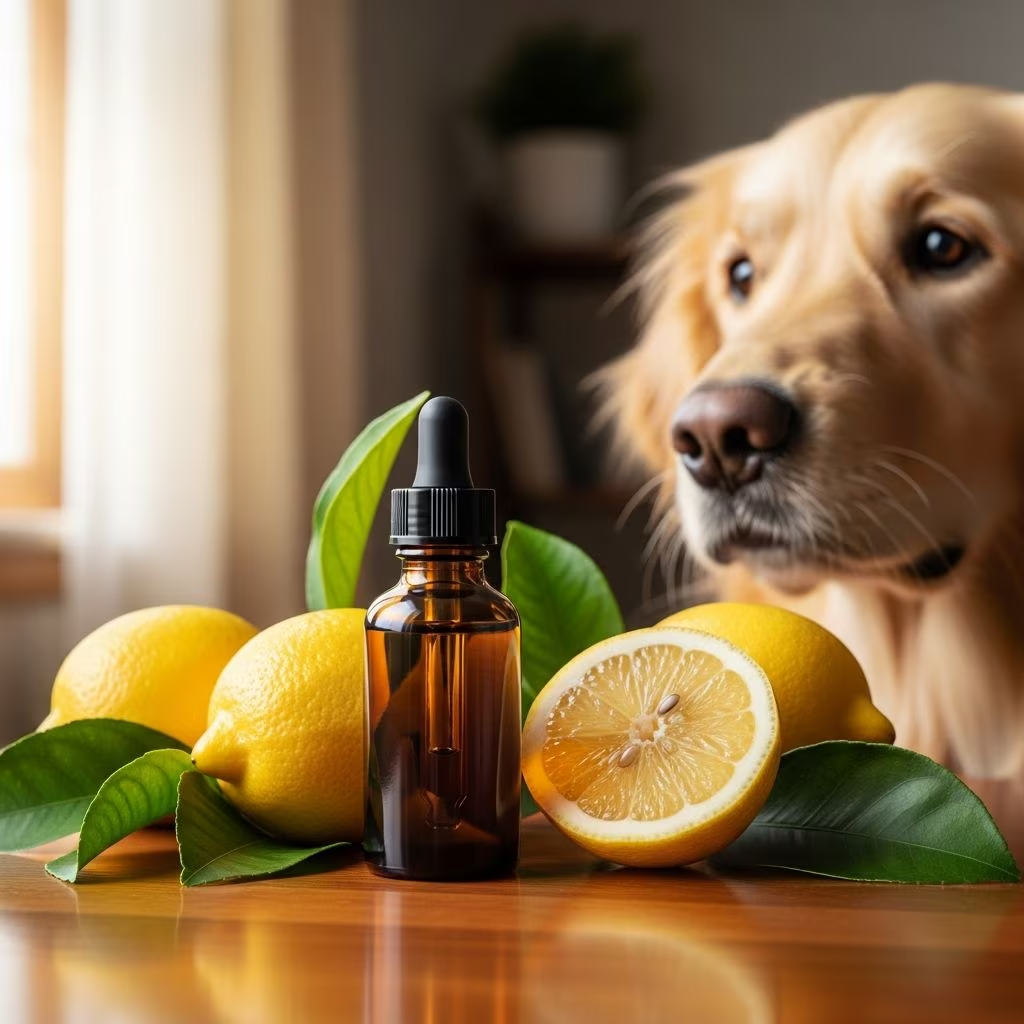
Many dog owners seek natural alternatives to enhance their pets’ well-being and home environment. Lemon essential oil, with its fresh and uplifting aroma, has gained attention as a potential wellness product. However, before introducing any essential oil into your home with a canine companion, it’s crucial to understand the safety implications and proper usage guidelines. This guide explores the relationship between lemon essential oil and dogs, providing evidence-based information to help you make informed decisions about your pet’s health.
Understanding Lemon Essential Oil: Composition and Properties
Lemon essential oil is extracted from the rind of lemon fruit through a cold-pressing process. The oil contains high concentrations of limonene and linalool, which are natural compounds responsible for lemon’s distinctive bright, citrusy scent. These compounds give the oil its appealing fragrance and contribute to its popularity in aromatherapy, cleaning products, and home diffusers.
The potency of essential oils is a critical factor when considering their use around pets. Essential oils are highly concentrated plant extracts, meaning even small amounts contain significant levels of active compounds. A single drop of lemon essential oil represents a substantial concentration of limonene and linalool, which explains why dilution and careful application are essential when pets are present in the home.
The Safety Profile: Can Dogs Tolerate Lemon Essential Oil?
Lemon essential oil can be used safely around dogs when appropriate precautions are followed. However, the safety of this oil depends entirely on how it is used, where it is used, and the individual sensitivity of your dog. Dogs possess different physiological systems than humans, including heightened olfactory senses and distinct liver function, making them more susceptible to the concentrated compounds in essential oils.
The critical distinction is that lemon essential oil itself is not inherently toxic to dogs in all forms and concentrations—rather, certain applications and dosages can pose risks. Understanding these distinctions allows responsible pet owners to enjoy the benefits of aromatherapy while maintaining their dog’s safety and comfort.
Why Citrus Oils Require Special Consideration
Citrus essential oils, including lemon, present specific concerns for pet health that differ from other essential oils. Several characteristics make these oils particularly important to handle with care:
- Hepatic Processing Challenges: Dogs’ livers metabolize certain compounds differently than human livers. The limonene found in lemon oil can place additional stress on canine liver function if absorbed in concentrated forms.
- Photosensitizing Properties: When applied directly to skin, lemon oil can cause photosensitivity, making the skin more vulnerable to damage from sun exposure. This is why topical application to a dog’s skin is never recommended.
- Respiratory Sensitivity: Dogs have approximately 300 million olfactory receptors compared to humans’ 5 million, making their sense of smell extraordinarily acute. Highly concentrated lemon oil vapors can overwhelm their respiratory system and cause irritation.
- Mucous Membrane Irritation: The concentrated nature of essential oils can irritate sensitive mucous membranes in a dog’s nose, mouth, and throat if the oil is diffused in high concentrations.
Safe Usage Practices for Lemon Essential Oil in Homes with Dogs
When used thoughtfully with proper precautions, lemon essential oil can have a place in a dog-friendly home. The following guidelines establish safe parameters for usage:
Diffusion Guidelines
If you choose to diffuse lemon essential oil in your home, ensure that the environment remains pet-safe through these practices:
- Use a diffuser only in well-ventilated spaces where your dog can freely choose to leave at any time
- Never confine your dog to a room with an active diffuser
- Limit diffusion sessions to short periods rather than continuous use throughout the day
- Start with minimal diffusion to observe your dog’s response before increasing frequency
- Ensure windows or doors remain open to allow air circulation and provide escape routes
Proper Dilution Standards
Should you choose to use lemon essential oil in cleaning solutions or other applications, proper dilution is essential:
- Mix no more than 3 drops of lemon essential oil per ounce of carrier oil (such as coconut, jojoba, or olive oil) for any topical preparation
- For cleaning solutions, dilute a few drops in a spray bottle of water or vinegar-based solution
- Always rinse and dry any surface thoroughly before allowing your dog to contact it
- Never use undiluted lemon essential oil in any application around your pet
Applications to Avoid Completely
Certain uses of lemon essential oil are incompatible with dog safety and should be avoided entirely:
| Application | Reason to Avoid |
|---|---|
| Direct skin or fur application | Risk of photosensitivity, dermatitis, and allergic reactions; oils can be absorbed through skin |
| Eye or nose contact | Extreme sensitivity of these areas; can cause significant irritation and discomfort |
| Pet bedding or toys | Dogs may ingest residue through licking or absorption through paws |
| Pet bowls or feeding areas | Direct ingestion risk; contamination of food and water |
| Litter box or toilet areas | Ingestion through licking and inappropriate use of the product |
| Enclosed spaces without ventilation | Concentration of vapors can overwhelm respiratory system |
Recognizing Adverse Reactions in Your Dog
Every dog has individual sensitivities and tolerances. Close observation is essential when introducing any new scent or product into your home. The following signs indicate that your dog is having an adverse reaction and that lemon essential oil use should be immediately discontinued:
- Excessive drooling or salivation
- Lethargy or unusual tiredness
- Vomiting or gagging
- Diarrhea
- Difficulty breathing or rapid breathing
- Tremors or muscle shaking
- Agitation, anxiety, or restlessness
- Withdrawal or hiding behavior
- Loss of appetite
- Coughing or wheezing
If you observe any of these symptoms, stop using lemon essential oil immediately and contact your veterinarian. These reactions may indicate that your dog’s body is struggling to process or tolerate the oil, and professional guidance is necessary to ensure complete recovery.
Special Considerations for Vulnerable Dogs
Certain dogs require extra caution or should avoid lemon essential oil exposure entirely:
- Puppies: Immature liver function makes young dogs more vulnerable to toxin accumulation
- Senior Dogs: Age-related decline in organ function reduces the ability to metabolize concentrated compounds
- Pregnant or Nursing Dogs: Potential risks to developing puppies or puppies nursing from the mother
- Dogs with Liver Disease: Pre-existing liver conditions make any additional hepatic stress problematic
- Dogs with Respiratory Issues: Conditions like asthma or chronic bronchitis are exacerbated by inhaled irritants
- Dogs Taking Medications: Essential oils may interact with certain pharmaceutical treatments
- Dogs with Known Sensitivities: Those with history of allergies or skin conditions need extra protection
Consulting With Your Veterinarian
Before implementing any regular use of lemon essential oil in your home, especially if your dog has existing health conditions, schedule a conversation with your veterinarian. Some veterinarians, particularly those trained in integrative or holistic medicine, have specific knowledge about essential oils and can provide species-specific guidance tailored to your individual dog’s health status, age, and predispositions.
Your veterinarian can help you assess whether the benefits of using lemon essential oil outweigh the potential risks for your particular pet and can recommend safer alternatives if concerns exist.
Frequently Asked Questions About Lemon Essential Oil and Dogs
Can lemon essential oil be used in a dog’s shampoo?
While some pet owners have reported adding a drop to shampoo with dilution, this should only be done with extreme caution. If you choose to use this method, ensure the oil is thoroughly mixed with a large quantity of shampoo to maximize dilution, and monitor your dog’s skin carefully for any signs of irritation. Always rinse thoroughly after shampooing. However, many veterinarians recommend avoiding this practice to eliminate risk entirely.
Is lemon essential oil safe for all dog breeds?
Sensitivity to essential oils varies by individual dog rather than by breed. However, some dogs may be more prone to sensitivities than others. Your dog’s age, health status, weight, and individual metabolism affect how well they tolerate exposure to concentrated compounds in lemon oil.
Can lemon essential oil be ingested by dogs?
No. Lemon essential oil should never be ingested by dogs under any circumstances. Even small amounts can cause gastrointestinal upset, liver stress, and other adverse effects. If your dog has ingested lemon essential oil, contact your veterinarian or poison control immediately.
What are safer alternatives to lemon essential oil?
If you want to freshen your home without the risks associated with lemon essential oil, consider these alternatives: opening windows for natural ventilation, using unscented beeswax candles, placing bowls of baking soda in corners to absorb odors, or using pet-safe enzymatic cleaners that don’t rely on essential oils.
How long should I wait after using lemon essential oil before allowing my dog into a room?
Ensure that the room is thoroughly ventilated and the air is clear of any obvious lemon scent before allowing your dog to enter. If using a diffuser, turn it off and allow at least 15-30 minutes of open ventilation before your dog accesses the space. If your dog shows any signs of respiratory irritation upon entering, immediately move them to fresh air.
Making the Right Choice for Your Pet
Ultimately, the decision to use lemon essential oil around your dog is a personal choice that should be made with full awareness of the potential risks and with commitment to strict safety protocols. While lemon essential oil can be used safely when handled appropriately, many pet owners choose to avoid it entirely to eliminate any possibility of harm.
Your dog depends on you to make decisions that prioritize their health and safety. If you have any doubt about whether lemon essential oil is appropriate for your home and your specific dog, err on the side of caution and consult with your veterinarian. The peace of mind that comes from knowing your pet is protected from potential harm is invaluable.
References
- Is Lemon Essential Oil Safe for Dogs and Cats? — Wholesale Botanics. 2024. https://wholesalebotanics.com/blogs/expertise/is-lemon-essential-oil-safe-for-dogs-and-cats
- Essential Oils Safe for Dogs — Vitruvi. 2024. https://vitruvi.com/blogs/news/essential-oils-safe-for-dogs
- Are Essential Oils Safe for Dogs? 7 To Use and 12 to Avoid — PetMD. 2024. https://www.petmd.com/dog/general-health/are-essential-oils-safe-for-dogs
- Are Essential Oils Safe for Pets? — Zoetis Petcare. 2024. https://www.zoetispetcare.com/blog/article/essential-oils-safe-pets
- Bad Essential Oils for Dogs: Urgent Signs and What to Do — Garden State Veterinary Specialists. 2024. https://gsvs.org/blog/bad-essential-oils-for-dogs-emergency-signs/



