

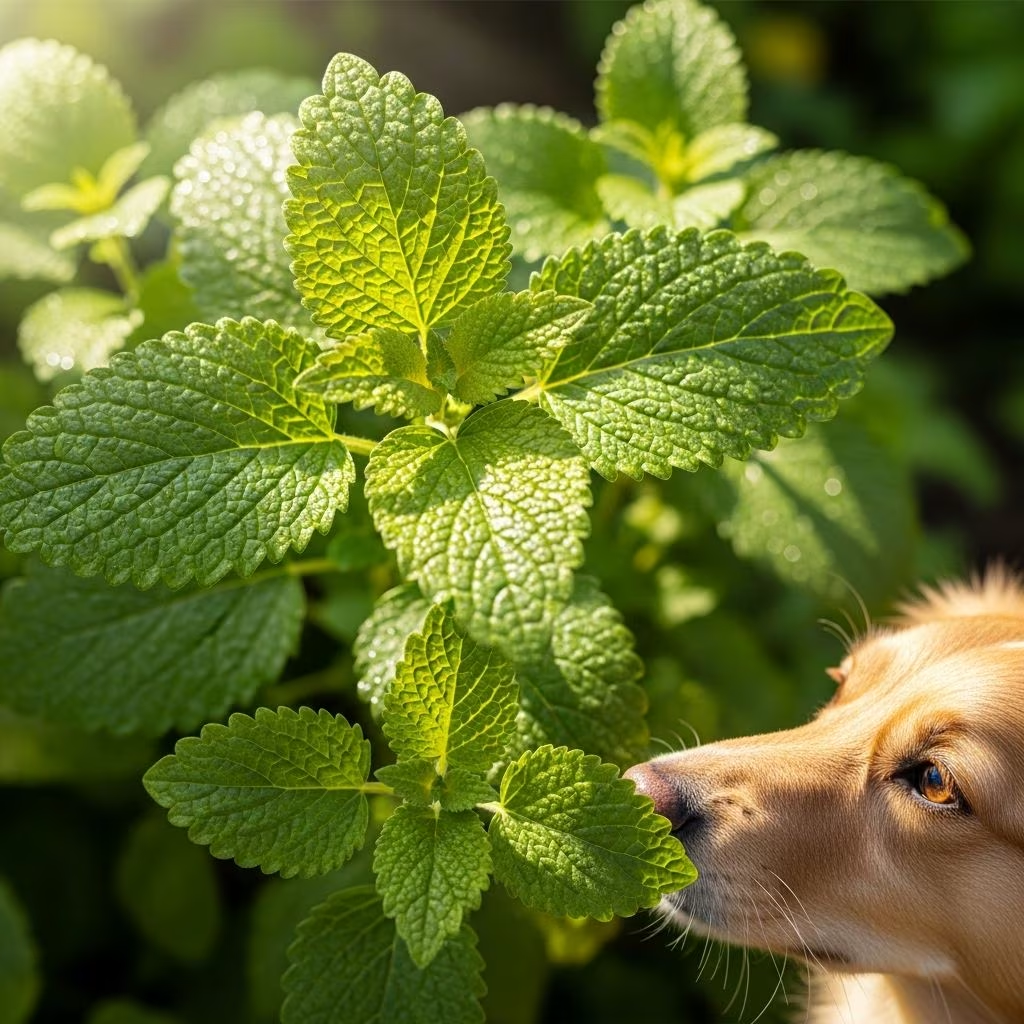
Lemon balm, known scientifically as Melissa officinalis, offers dogs a gentle, multifaceted herbal remedy rooted in tradition and supported by modern observations. This lemon-scented herb addresses common issues like stress, tummy troubles, and restlessness without heavy sedation.
Understanding Lemon Balm’s Core Properties
Native to regions like southern Europe and central Asia, lemon balm thrives in gardens and pots, making it accessible for pet owners. Its active compounds—volatile oils, tannins, flavonoids, terpenes, and eugenol—drive its effects. Terpenes promote relaxation, tannins fight viruses, and eugenol eases spasms, kills bacteria, and relieves pain. These elements make it suitable for topical and internal use in canines.
Unlike synthetic options, lemon balm fosters calm awareness rather than grogginess, ideal for active dogs facing daily stressors. Veterinary sources note its role in ethnoveterinary practices for anxiety-related conditions.
Key Health Advantages for Canines
Lemon balm supports multiple systems in dogs, from nerves to gut. Here’s a breakdown:
- Calming the Nervous System: Inhibits GABA transaminase for balanced relaxation, reducing hyper-vigilance and promoting focus.
- Digestive Harmony: Neutralizes gas, soothes cramps, and aids motility, especially stress-linked issues.
- Restful Sleep: Enhances sleep quality without daytime drowsiness, aiding seniors with cognitive fog.
- Immune and Skin Boost: Antiviral tannins and antioxidants protect against infections and soothe irritations.
- Muscle and Joint Ease: Eugenol’s analgesic properties relax tense muscles.
Practical Ways to Incorporate Lemon Balm
Grow it fresh or source quality supplements. Start with small amounts to monitor tolerance.
Growing and Harvesting at Home
Plant in sunny spots or containers; it’s low-maintenance and dog-safe. Snip leaves for immediate use—brush on coat for insect deterrence or add to meals[10].
Preparation Methods
| Method | Best For | Preparation Tips |
|---|---|---|
| Fresh Leaves | Topical rinse, food topper | Chop finely; mix into kibble or steep in hot water for tea. |
| Tea Infusion | Digestion, hydration | 1 tsp dried leaves per cup water; cool and add to bowl (1-2 tbsp per 20 lbs body weight). |
| Tincture | Quick anxiety relief | Alcohol-free preferred; 0.25-0.5 ml per 20 lbs, 1-2x daily. |
| Dried Herb | Supplements, long-term | Capsules or powder; follow product dosing. |
| Topical Balm | Wounds, itches | Infuse in carrier oil; apply sparingly. |
Effects vary: tinctures act in 30-60 minutes for acute stress, while chronic benefits build over weeks.
Dosage Guidelines by Dog Size
Adjust based on weight; consult vets for precision.
- Small (under 20 lbs): 1/8-1/4 tsp dried or 0.1-0.25 ml tincture daily.
- Medium (20-50 lbs): 1/4-1/2 tsp dried or 0.25-0.5 ml tincture.
- Large (50+ lbs): 1/2-1 tsp dried or 0.5-1 ml tincture.
Split doses; pair with meals to enhance absorption.
Targeted Applications for Common Issues
Combating Anxiety and Stress
Dogs facing thunderstorms, travel, or separation often benefit. Owners report calmer behavior without lethargy, thanks to its focus-enhancing calm. For seniors with cognitive decline, it reduces agitation.
Supporting Gut Health
Gas, bloating, and nervous stomachs improve with its carminative action. It calms the gut-brain link, preventing stress-diarrhea cycles.
Enhancing Sleep Patterns
Restless nights yield to better cycles, vital for recovery and mood.
Skin, Wound, and Bug Protection
Rinse minor cuts or brush fur to repel fleas; antimicrobials speed healing.
Respiratory and Immune Aid
Antioxidants fend off infections, easing coughs or sniffles.
Safety Considerations and Precautions
Generally safe, but monitor for rare allergies (itching, upset). Avoid in pregnancy or with sedatives; thyroid issues warrant vet check. Quality matters—organic, pet-grade preferred. Start low, observe 24-48 hours.
Holistic vet input ensures compatibility with meds. Not a cure-all; pairs best with diet, exercise, training.
Real-World Experiences from Dog Owners
Anecdotes highlight quick wins: one dog’s fireworks panic eased in 45 minutes; another’s chronic gas vanished after two weeks. Seniors show brighter demeanor, less pacing.
Comparing Lemon Balm to Other Herbs
| Herb | Main Benefit | Sedation Level | Dog Suitability |
|---|---|---|---|
| Lemon Balm | Anxiety, digestion | Low (alert calm) | High |
| Chamomile | Calming, anti-inflammatory | Mild | High |
| Valerian | Strong sedation | High | Moderate |
| Passionflower | Sleep aid | Medium | Good |
Lemon balm stands out for versatility sans heavy drowsiness.
Integrating into Daily Routines
Mix tea into water for hydration; top food for picky eaters. For travel, pre-dose tincture. Garden access encourages fresh use, fostering bonding[10].
FAQs
Can all dogs use lemon balm?
Yes, most tolerate it well; pups over 8 weeks and healthy adults respond best. Vet approval for seniors or ill dogs.
How quickly does it ease anxiety?
Tinctures work in 30-60 minutes; teas in 1-2 hours.
Is it safe topically?
Yes, for cuts or itches; test patch first.
Does it interact with medications?
Possible with sedatives or thyroid drugs; consult vet.
Where to buy quality lemon balm?
Pet stores, holistic vets, or grow your own.
Building a Holistic Dog Care Plan
Combine with balanced nutrition, play, and check-ups. Track responses in a journal for tweaks. Lemon balm elevates wellness naturally.
References
- Metabolomics provides novel understanding of Melissa officinalis — PMC. 2024. https://pmc.ncbi.nlm.nih.gov/articles/PMC12247294/
- Sedative Effects on Animals: Lemon Balm Research — Frontiers in Molecular Biosciences. 2024. https://www.frontiersin.org/journals/molecular-biosciences/articles/10.3389/fmolb.2024.1359177/full
- Lemon Balm Phytosome (RELISSA®) — Thorne Vet. 2025. https://thornevet.com/glossary/lemon-balm-phytosome-relissa/
- Ways to Use Lemon Balm on Dogs — Whole Dog Journal. 2025. https://www.whole-dog-journal.com/care/ways-to-use-lemon-balm-on-dogs/
- Lemon Balm for Dogs – Multiple Health Benefits — Bonza Dog. 2025-03. https://www.bonza.dog/2025/03/lemon-balm-for-dogs-health-benefits/



