

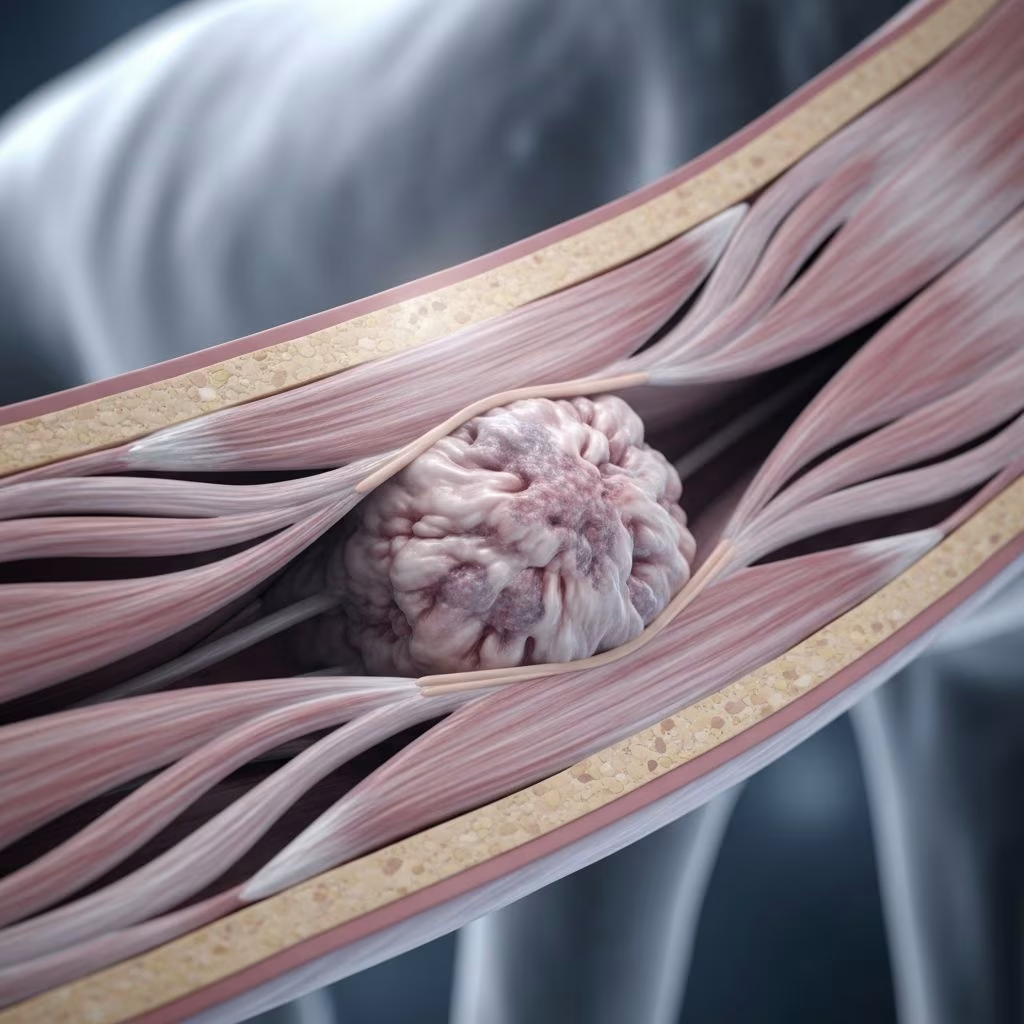
Leiomyosarcoma represents a malignant tumor originating from smooth muscle cells, commonly affecting the gastrointestinal tract, spleen, or vascular structures in dogs. This cancer demands prompt recognition and intervention to optimize survival and comfort. Large breeds and senior dogs face higher risks, with symptoms often linked to the tumor’s site.
Common Sites and Risk Factors
Tumors frequently develop in the stomach, intestines, spleen, or blood vessels. Gastrointestinal forms lead to digestive disruptions, while splenic variants may cause internal bleeding. Predisposing factors include advanced age, typically over seven years, and breeds like German Shepherds or Labradors. No strong genetic links exist, but regular veterinary screenings aid early detection.
Recognizing Early Warning Signs
Initial indicators vary by location but often include nonspecific malaise. Dogs may exhibit:
- Persistent vomiting or regurgitation
- Unexplained weight loss despite normal appetite
- Diarrhea or bloody stools
- Abdominal pain or distension
- Lethargy and reduced activity levels
- Straining during defecation or urination
Advanced stages bring anemia, weakness, and appetite loss. Owners should monitor for these changes, especially in at-risk dogs, and seek immediate veterinary evaluation.
Diagnostic Approaches for Accurate Identification
Veterinarians employ a stepwise process. Physical exams detect masses, followed by imaging like ultrasound or X-rays to assess tumor size and spread. Blood tests reveal anemia or organ dysfunction. Fine-needle aspiration provides cytology, though biopsy offers definitive histopathology, confirming smooth muscle origin and grade. Staging via CT scans evaluates metastasis potential.
Primary Treatment: Surgical Intervention
Surgery remains the cornerstone, aiming for complete excision with wide margins. For gastric or intestinal tumors, partial organ removal preserves function. Splenectomy addresses splenic cases effectively. Success hinges on clean margins; incomplete removal prompts adjunct therapies. Postoperative recovery involves monitoring for complications like infection or dehiscence.
| Tumor Location | Surgical Approach | Potential Complications |
|---|---|---|
| Stomach/Intestine | Gastrectomy/Enterectomy | Leakage, peritonitis |
| Spleen | Splenectomy | Bleeding, arrhythmia |
| Vascular | Resection with vessel repair | Thrombosis, hemorrhage |
Adjunct Therapies: Chemotherapy and Radiation
Post-surgery chemotherapy targets microscopic disease using agents like doxorubicin or carboplatin in cycles, balancing efficacy against side effects such as nausea or myelosuppression. Radiation suits incompletely excised or inoperable tumors, delivered in fractions over weeks under sedation, causing localized irritation but controlling local growth.
Emerging and Supportive Options
Immunotherapy, including vaccines targeting tumor antigens, shows promise in trials for extending remission. Palliative care emphasizes pain relief with opioids or NSAIDs, nutritional support via high-calorie diets, and physiotherapy for mobility. Herbal supplements require veterinary oversight to avoid interactions.
Prognosis and Long-Term Management
Outcomes vary: localized tumors post-surgery yield 1-3 year survival, while metastatic cases average months. Low-grade tumors fare best. Regular follow-ups with imaging and bloodwork track recurrence. Lifestyle adjustments, like weight management and gentle exercise, bolster resilience.
Home Care Strategies for Affected Dogs
Owners play a key role: provide soft bedding, small frequent meals, and medication adherence. Monitor for worsening signs like pallor or collapse, warranting urgent care. Emotional support through calm environments aids recovery.
Frequently Asked Questions (FAQs)
What causes leiomyosarcoma in dogs?
No single cause; age and breed predispose, with possible environmental influences.
Can leiomyosarcoma be cured?
Early, localized cases often achieve long-term remission via surgery.
How much does treatment cost?
Varies widely; surgery $3,000-$10,000, chemo adds $2,000-$5,000 per cycle.
Is chemotherapy painful for dogs?
Generally well-tolerated with anti-nausea meds; side effects managed symptomatically.
What breeds are most susceptible?
Large breeds like Golden Retrievers, Rottweilers.
Preventive Measures and Screening
While unpreventable, annual checkups for seniors, abdominal palpation, and prompt symptom investigation enhance early intervention chances.
References
- Leiomyosarcoma in dogs – Arndt Small Animal Clinic — tierarzt-karlsruhe-durlach.de. 2023. https://tierarzt-karlsruhe-durlach.de/en/leiomyosarcoma-in-dogs/
- Stomach and Intestinal Cancer (Leiomyosarcoma) in Dogs — PetMD. 2024-02-15. https://www.petmd.com/dog/conditions/digestive/c_dg_leiomyosarcoma_stomach_intestine
- Canine Leiomyosarcoma: Muscle Tissue Cancer in Dogs — Lancaster Puppies. 2023-11-01. https://www.lancesterpuppies.com/pet-advice/canine-leiomyosarcoma-muscle-tissue-cancer-dogs.html
- Oral leiomyosarcoma in a dog — Journal of Biomedical & Therapeutic Radiology. 2022. https://www.jbtr.or.kr/archive/view_article?pid=jbtr-22-4-199
- Small Intestinal Leiomyosarcoma — Veterinary Society of Surgical Oncology (VSSO). 2024. https://vsso.org/small-intestinal-leiomyosarcoma



