

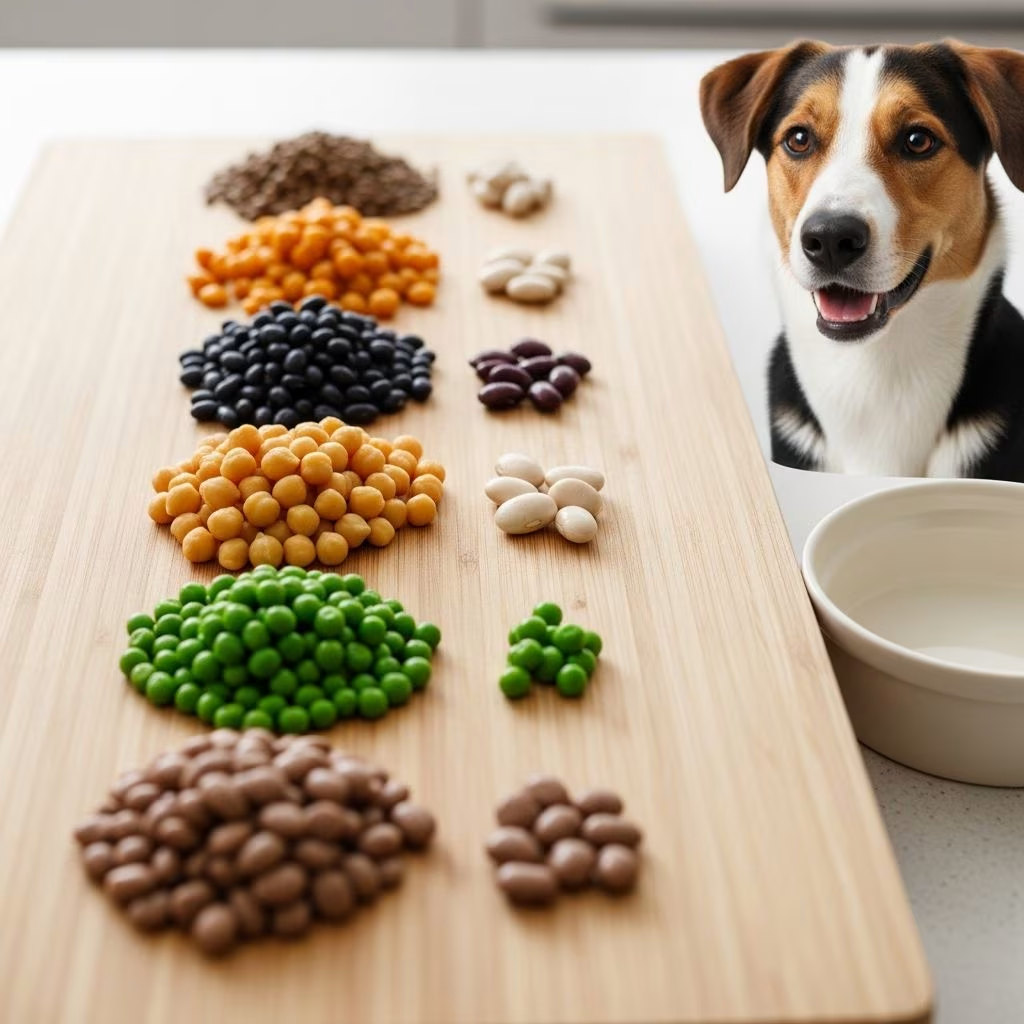
Many pet owners wonder whether their furry companions can enjoy beans as part of a balanced diet. The answer is nuanced: most beans are indeed safe for dogs and can provide valuable nutritional benefits, but certain varieties should be avoided entirely, and proper preparation is essential.
Understanding Canine Bean Consumption
Dogs are primarily carnivores, yet their bodies can digest and benefit from plant-based foods when provided appropriately. Beans belong to the legume family and offer substantial nutritional value that can complement a dog’s regular diet. However, not all beans are created equal, and the preparation method matters significantly.
The key principle for feeding beans to dogs is moderation. Beans should constitute no more than 10% of your dog’s daily caloric intake and should be treated as occasional treats rather than dietary staples. When introduced gradually and in appropriate quantities, beans can become a healthy addition to your pet’s nutrition plan.
Nutrient Profile: What Beans Offer Your Dog
Beans provide an impressive array of essential nutrients that support canine health from multiple angles:
- Protein Content: Legumes deliver substantial plant-based protein crucial for muscle development, maintenance, and repair throughout your dog’s life.
- Dietary Fiber: The fiber content in beans promotes digestive regularity, supports gut health, and helps prevent constipation in dogs.
- Essential Minerals: Beans contain vital minerals including potassium, magnesium, iron, and manganese that support bodily functions.
- Vitamins: These legumes provide important vitamins such as vitamin K and folate, essential for bone health and cellular function.
- Antioxidants: Many beans contain protective antioxidants that bolster immune system function and combat cellular damage.
- Low Fat Content: Beans are naturally low in fat, making them ideal for dogs requiring weight management.
These nutritional components work together to support overall canine wellness, energy levels, and longevity when beans are incorporated thoughtfully into the diet.
Safe Bean Varieties for Your Canine Companion
Numerous bean varieties are perfectly safe for dogs when prepared correctly. Understanding which beans are appropriate is the first step toward responsible supplementation:
Green Beans
Green beans stand among the safest and most recommended legumes for dogs. These immature bean pods are lower in calories while delivering substantial fiber for digestive health. Veterinarians frequently recommend green beans as a nutritious treat option, and dogs typically enjoy their mild flavor and tender texture.
Black Beans
Rich in antioxidants, fiber, and potassium, black beans make an excellent nutritional choice for dogs. These beans support immune function and provide sustained energy. Ensure they are cooked plain without seasonings, garlic, or onion additives.
Pinto Beans
Pinto beans deliver substantial protein and fiber along with antioxidants that promote immune health and protect against age-related decline. They are well-tolerated by most dogs when prepared without added ingredients.
Kidney Beans
Cooked kidney beans offer impressive nutritional value, including protein, fiber, and essential vitamins. However, raw kidney beans contain phytohemagglutinin, a compound that causes severe illness in dogs. Only thoroughly cooked kidney beans should ever be offered, and even then, they should remain a limited treat due to their higher lectin content.
Chickpeas (Garbanzo Beans)
Chickpeas provide excellent protein and fiber in a versatile legume that dogs generally enjoy. They can be offered cooked and plain or even as occasional crunchy treats. Avoid chickpea-based spreads like hummus, which often contain garlic and other harmful ingredients.
Lentils
Lentils deliver iron, folate, and significant fiber content that supports digestive health. These nutrient-dense legumes are an excellent addition to a dog’s occasional treat rotation.
Additional Safe Options
Lima beans, soybeans, and edamame are also considered safe for canine consumption when cooked plainly.
Beans to Completely Avoid
Certain bean varieties pose genuine health risks and should never be offered to dogs:
| Bean Type | Why It’s Dangerous | Health Effects |
|---|---|---|
| Raw Kidney Beans | Contains high levels of phytohemagglutinin lectin toxin | Severe vomiting, nausea, diarrhea, and systemic illness |
| Fava Beans | Trigger gastrointestinal sensitivity in canines | Vomiting, diarrhea, and digestive distress |
| Canned Beans | High sodium and chemical preservatives | Electrolyte imbalance, kidney problems, heart issues |
| Baked Beans | Often contain garlic, onions, and excessive sugar | Toxicity, gastrointestinal upset, blood damage |
| Refried Beans | High fat content and pet-toxic seasonings | Pancreatitis, severe GI upset, potential toxicity |
| Chili Beans | Contain garlic and spices toxic to dogs | Poisoning, gastrointestinal distress, organ damage |
| Coffee Beans | Contain caffeine and related compounds | Neurological problems, cardiac disturbances, toxicity |
Any bean product containing garlic, onions, salt, or excessive spices should be strictly avoided, as these ingredients pose separate health risks to canines.
Critical Preparation Guidelines
How you prepare beans significantly impacts their safety and digestibility for your dog:
Cooking is Non-Negotiable
Raw beans should never be fed to dogs, even though humans can safely consume many varieties uncooked. Cooking beans through boiling or steaming eliminates surface contaminants, pathogens, and anti-nutritive compounds that could cause illness. This preparation step is essential for neutralizing toxins and ensuring digestibility.
Avoid All Seasonings
Dogs have extremely low tolerance for salt and common seasonings. Always cook beans plain without any added salt, spices, garlic, onions, or other flavorings. Even small amounts of salt can cause electrolyte imbalance and potentially harm your dog’s kidneys and heart.
Fresh or Dried, Not Canned
While occasional small amounts of rinsed canned beans likely won’t cause immediate harm, the sodium content in canned products makes them unsuitable for regular inclusion. Dried beans cooked from scratch or fresh beans from a garden are far superior options that allow you to control all ingredients.
Cool Before Serving
Always allow cooked beans to cool to room temperature before offering them to your dog to prevent mouth and throat burns.
Portion Control and Frequency
Even safe bean varieties can cause problems if overfed. Establishing appropriate portions protects your dog’s digestive system and overall health:
- Daily Treat Limit: Beans should never exceed 10% of your dog’s total daily caloric intake.
- Frequency Recommendation: Beans are best offered as occasional treats, not everyday additions to meals.
- Gradual Introduction: When first introducing beans, offer very small quantities to assess tolerance and monitor for adverse reactions.
- Individual Variation: Some dogs may have sensitivities that others don’t experience, making personalized observation important.
Health Considerations and Potential Risks
While beans offer nutritional benefits, certain health conditions warrant caution:
Dilated Cardiomyopathy Concerns
A bean-heavy diet has been associated with an increased risk of dilated cardiomyopathy, a serious heart condition in dogs. This doesn’t mean beans are dangerous in moderation, but rather emphasizes why they should remain occasional treats rather than dietary staples. Consult your veterinarian before making significant dietary changes, particularly if your dog has any heart health concerns.
Gastrointestinal Sensitivity
Some dogs experience gas, bloating, or digestive upset when consuming beans due to their fiber and oligosaccharide content. Starting with minimal quantities allows you to assess individual tolerance before offering larger amounts.
Food Allergies
Dogs with legume allergies or sensitivities should avoid beans entirely. If your dog exhibits itching, skin problems, or gastrointestinal issues after bean consumption, discontinue and consult your veterinarian.
Strategic Integration Into Your Dog’s Diet
When introducing beans, timing and method matter significantly. Begin with single-bean varieties rather than combinations, allowing you to identify any problematic legumes. Monitor your dog for several days after introduction, watching for digestive changes, allergic reactions, or behavioral shifts. If no adverse effects occur, you can gradually incorporate beans into the treat rotation.
Beans work well as occasional snacks or small meal toppers rather than replacing balanced dog food. They complement commercial diets rather than serving as primary nutritional sources.
Frequently Asked Questions
Can puppies eat beans?
Puppies can generally consume safe bean varieties, but introduce them even more gradually than with adult dogs due to developing digestive systems. Keep portions extremely small and consult your veterinarian before adding any new foods to your puppy’s diet.
Are beans better than grains for dogs?
Beans contain more protein than grains and offer different nutritional profiles. Rather than viewing them as direct substitutes, they’re better understood as complementary foods that add variety and nutrition when included appropriately.
What should I do if my dog eats raw kidney beans accidentally?
Contact your veterinarian immediately to determine the appropriate response. The severity of toxicity depends on the quantity consumed and your dog’s size and health status.
How do I know if beans are upsetting my dog’s stomach?
Watch for loose stools, excessive gas, vomiting, abdominal discomfort, or behavioral changes. If these occur, discontinue beans and consult your veterinarian.
Can I feed my dog beans as a meal replacement?
No. Beans should never replace balanced commercial or homemade diets formulated to meet dogs’ complete nutritional needs. They work best as supplementary treats.
Are frozen beans safe for dogs?
Yes, frozen beans that have been cooked and stored plain (without added ingredients) are perfectly safe. Thaw and serve at room temperature.
Final Recommendations
Beans can absolutely be part of a thoughtfully managed canine diet when you understand which varieties are safe, how to prepare them correctly, and what portion sizes are appropriate. The nutritional benefits—protein, fiber, vitamins, minerals, and antioxidants—make safe beans a worthwhile occasional addition to your dog’s treat rotation.
Always consult your veterinarian before making dietary changes, particularly if your dog has existing health conditions, is taking medications, or has a history of digestive sensitivities. Your vet can provide personalized guidance based on your individual dog’s needs, age, weight, and health status.
By respecting these guidelines and maintaining appropriate moderation, you can safely share the nutritional benefits of beans with your beloved canine companion.
References
- Can Dogs Eat Beans? Types, Benefits, and Serving Tips — ZIWI US. 2024. https://us.ziwipets.com/blogs/ingredients/can-dogs-eat-beans-types-benefits-and-serving-tips
- Are Beans Healthy for My Dog to Eat? — FirstVet. 2024. https://firstvet.com/us/articles/can-dogs-eat-beans
- Can Dogs Eat Beans? — Fetch Pet Insurance. 2024. https://www.fetchpet.com/the-dig/can-dogs-eat-beans
- Can Dogs Eat Beans? Are Legumes Safe for Dogs? — Sundays for Dogs. 2024. https://sundaysfordogs.com/blog/can-dogs-eat-beans
- Can Dogs Eat Beans? — PetMD. 2024. https://www.petmd.com/dog/nutrition/can-dogs-eat-beans
- Can Dogs Eat Beans? Get the Low-Down on Legumes — Native Pet. 2024. https://nativepet.com/blogs/health/can-dogs-eat-beans
- Are Beans for Dogs a Tasty, Nutrient-Rich Treat? — Volhard Dog Nutrition. 2024. https://www.volharddognutrition.com/blog/are-beans-for-dogs-a-tasty-nutrientrich-treat/
- Can Dogs Eat Beans? — Pooch and Mutt. 2024. https://www.poochandmutt.co.uk/blogs/can-dogs-eat/beans



