

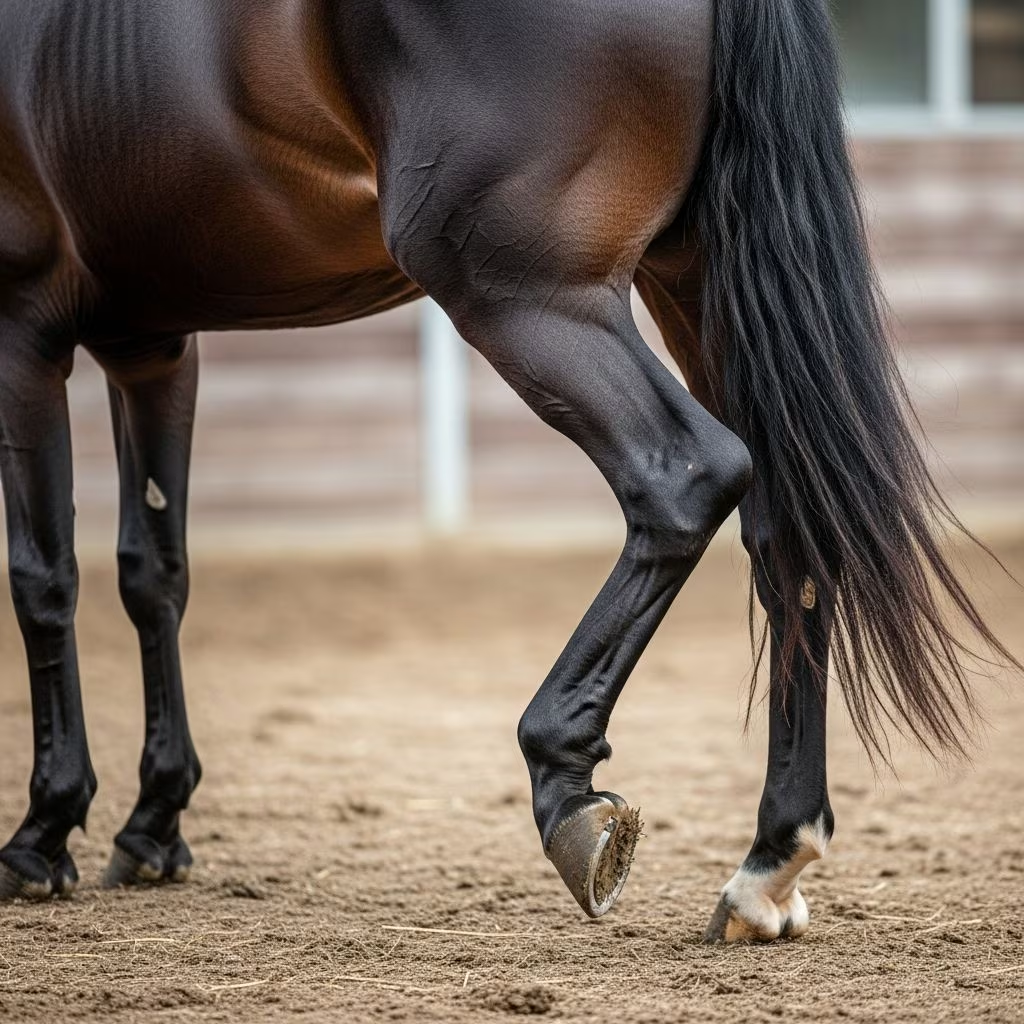
Leg paralysis in horses represents a serious neurological challenge that can suddenly impair mobility and threaten overall welfare. This condition, often stemming from nerve trauma or infectious agents, demands prompt veterinary intervention to improve outcomes. Owners must recognize early signs to facilitate timely care and support long-term recovery.
Defining Paralysis and Paresis in Equine Limbs
Paralysis refers to complete loss of voluntary movement in a limb, while paresis indicates partial weakness. In horses, these manifest as dragging feet, knuckling, or inability to bear weight, primarily affecting forelimbs or hindlimbs due to specific nerve vulnerabilities. Such disruptions arise from interruptions in neural pathways from the spinal cord to muscles, leading to immediate functional deficits.
Forelimb issues typically involve brachial plexus roots (C6-T2), causing dropped shoulders and sensory loss below the elbow. Hindlimb paralysis often links to femoral or sciatic nerve damage, resulting in flexed stifles and absent reflexes. Differentiating these helps pinpoint lesion locations for targeted diagnostics.
Primary Causes of Limb Immobility
Trauma dominates as the leading trigger for acute paralysis, encompassing direct impacts, falls, or compression during recumbency. Neurapraxia, a mild conduction block, resolves in weeks, whereas severe neurotmesis severs axons, prolonging recovery. Anesthesia-related compression frequently targets the radial or femoral nerves, yielding temporary paresis.
- Radial Nerve Trauma: Blunt force to the shoulder disrupts leg advancement, with the hoof resting on toes and shoulder sagging.
- Femoral Nerve Injury: Post-anesthetic cases show stifle flexion and weight-bearing refusal, resolving in days with support.
- Brachial Plexus Avulsion: Neck trauma pulls C6-T2 roots, eliciting Horner syndrome—ptosis, miosis, and facial sweating.
Infectious etiologies like equine protozoal myeloencephalitis (EPM) erode nerves progressively, causing focal atrophy and monoparesis. Protozoal invasion from opossum feces contaminates feed, necessitating CSF analysis for confirmation.
Genetic disorders, such as hyperkalemic periodic paralysis (HYPP), provoke episodic weakness via potassium surges, worsened by stress or fasting. Quarter Horses carrying the mutation face higher risks, with homozygous cases showing severe symptoms. Nutritional shortfalls, notably vitamin E deficiency, foster equine motor neuron disease (EMND), mimicking paralysis through tremors and ataxia, especially in aged equines.
Clinical Signs to Monitor Closely
Horses exhibit limb-specific symptoms signaling neural compromise. Forelimb paralysis features inability to protract the leg, elbow flexion, and sensory deficits distal to the carpus. Hindlimb signs include hock and stifle collapse, perineal anesthesia, and weak patellar reflexes.
| Limb Affected | Key Signs | Associated Reflex Loss |
|---|---|---|
| Forelimb (Radial/Median) | Dragging toe, shoulder drop, knuckling | Cutaneous trunci, Horner syndrome |
| Hindlimb (Femoral/Peroneal) | Stifle flexion, short steps, medial foot numbness | Patellar reflex, perineal sensation |
| Both (Systemic) | Ataxia, muscle atrophy, tremors | Multiple spinal reflexes |
Systemic clues like sweating asymmetry, ptosis, or myoglobinuria (dark urine) point to EMND or exertional rhabdomyolysis variants. Pain on palpation, reluctance to ambulate, and elevated heart rates accompany acute episodes.
Diagnostic Approaches for Accurate Localization
Veterinarians employ a systematic neurologic exam to localize lesions. Assess mentation, cranial nerves, posture, gait, proprioception, spinal reflexes, and sensation. Absent patellar reflex implicates L4-L5 femoral roots; peroneal deficits affect hock cranials.
Ancillary tests include CSF taps for EPM titers, serum CK/AST for myopathy exclusion, and electromyography for nerve conduction. Radiographs rule out fractures, while ultrasound visualizes nerve swelling. Advanced imaging like MRI pinpoints spinal avulsions. HYPP testing via genetic PCR confirms heritable risks.
Therapeutic Strategies and Supportive Care
No direct neural regrowth agents exist; management emphasizes protection, pain control, and rehabilitation. Stall confinement prevents further injury, with slings aiding weight support in recumbent cases. Light bandages shield dragging hooves from abrasions, avoiding constriction.
- Pharmacology: NSAIDs (flunixin) reduce inflammation; gabapentin manages neuropathic pain; DMSO aids mild radial cases.
- Physiotherapy: Passive stretches, massage, and heat maintain joint pliability during 1-2 month regeneration windows.
- Alternative Therapies: Acupuncture accelerates recovery; UV light and acepromazine enhance circulation.
For EPM, antiprotozoals like ponazuril target Sarcocystis neurona. HYPP demands low-potassium diets and acetazolamide prophylaxis. Monitor progress via serial exams; voluntary motion restoration signals favorable prognosis.
Prognostic Factors Influencing Recovery
Outcomes hinge on injury severity: neurapraxia yields 90% resolution in weeks, but axonotmesis may span months. Complete severance portends permanent deficits. Early intervention boosts success; EPM responds well if treated pre-atrophy. Chronic neoplasia erodes prognosis, often requiring amputation consideration.
Horses regaining sensation and reflexes within 60 days fare best. Contralateral laminitis risk necessitates bilateral bandaging. Long-term, physical therapy sustains muscle tone, preventing contractures.
Preventive Measures for Horse Owners
Mitigate risks through vigilant management. Ensure adequate vitamin E via fresh pasture or supplements for EMND prevention. Screen breeding stock for HYPP via UC Davis testing. Pad stalls to cushion falls; monitor anesthesia positioning to avert compression.
Control EPM via rodent-proof feed storage and cooked grains. Balanced electrolytes and acclimation curb rhabdomyolysis triggers. Regular neuro exams detect subclinical paresis early.
Frequently Asked Questions (FAQs)
Can horses fully recover from leg paralysis?
Yes, many do, particularly trauma-induced cases resolving in 1-3 months with diligent care. Severity dictates full versus partial restoration.
What is the most common cause of sudden hindlimb paralysis?
Trauma to femoral or sciatic nerves, often from slips or anesthesia.
How do I differentiate nerve paralysis from joint injury?
Neurologic exams reveal reflex/sensory loss absent in orthopedic lameness. Atrophy develops rapidly in neural cases.
Is EPM contagious between horses?
No, but opossum feces spread the protozoa. Isolate affected equines during treatment.
What home care supports a paralyzed leg?
Stall rest, light bandaging, and vet-guided stretches. Avoid forcing movement.
Long-Term Management and Owner Responsibilities
Post-recovery, gradual work resumption prevents reinjury. Nutritional audits sustain nerve health; farrier adjustments accommodate residual deficits. Annual neuro screenings track progression in at-risk breeds.
Emotional support via routine maintenance fosters resilience. Collaborate with vets for tailored plans, ensuring quality life despite challenges.
References
- Limb Paralysis in Animals – Nervous System — MSD Veterinary Manual. 2023. https://www.msdvetmanual.com/nervous-system/limb-paralysis/limb-paralysis-in-animals
- Leg Paralysis in Horses – Horse Owners — Merck Veterinary Manual. 2023. https://www.merckvetmanual.com/horse-owners/brain-spinal-cord-and-nerve-disorders-of-horses/leg-paralysis-in-horses
- Suspicion of Postanesthetic Femoral Paralysis — PMC (NCBI). 2018-02-14. https://pmc.ncbi.nlm.nih.gov/articles/PMC5808350/
- Cruciate Paralysis in Horses — Agria Pet Insurance. 2023. https://www.agriapet.co.uk/guides-and-advice/azoturia-in-horses/
- Recognizing Radial Nerve Paralysis in Horses — Equus Magazine. 2005. https://equusmagazine.com/diseases/recognizing-radial-nerve-paralysis-in-horses-8547
- What Causes Nerve Damage in Horses? — Sisters Veterinary Clinic. 2023. https://sistersveterinaryclinic.com/articles/923945-july-newsletter-what-causes-nerve-damage-in-horses
- Hyperkalemic Periodic Paralysis (HYPP) — UC Davis Veterinary Genetics Lab. 2023. https://vgl.ucdavis.edu/test/hypp



