

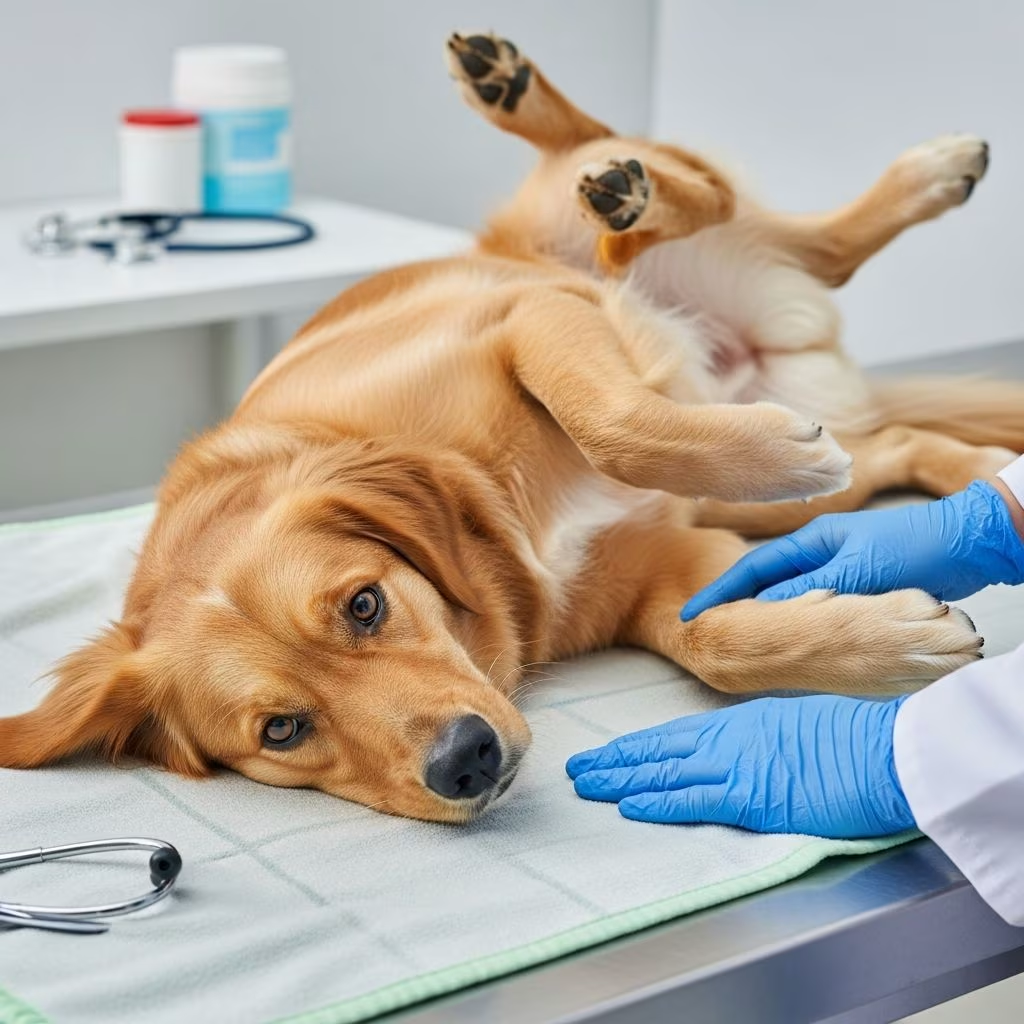
Leg paralysis in dogs represents a serious condition where a dog loses the ability to move one or more legs, often due to nerve damage, spinal issues, or trauma. This guide provides pet owners with detailed information on recognition, underlying causes, diagnostic approaches, treatments, and supportive care to optimize recovery chances.
Key Symptoms to Recognize Early
Early detection of leg paralysis symptoms can make a significant difference in outcomes. Dogs may exhibit a range of signs depending on whether the front or hind legs are affected and the severity of the issue.
- Sudden loss of leg movement: The dog cannot bear weight on the affected leg(s) or stand properly.
- Dragging limbs: Affected legs trail behind during attempts to walk, often leading to paw knuckling or wounds.
- Weakness or unsteadiness: Legs appear wobbly, with difficulty rising or navigating stairs.
- Sensory deficits: No response to touch, pinpricks, or temperature changes in the paralyzed area.
- Incontinence issues: Loss of bladder or bowel control, signaling spinal involvement.
- Pain indicators: Whining, trembling, reluctance to move, or self-mutilation by chewing limbs.
These symptoms often appear abruptly in cases of trauma or disc herniation but can develop gradually with degenerative conditions.
Primary Causes of Leg Paralysis
Paralysis stems from disruptions in nerve signals from the brain to muscles, commonly involving the spinal cord, nerve roots, or peripheral nerves. Causes vary by leg affected: front leg issues often link to neck or brachial plexus damage, while hind leg problems tie to lower back or lumbosacral regions.
Intervertebral Disc Disease (IVDD)
IVDD is a leading cause, especially in breeds like Dachshunds, Beagles, and French Bulldogs. Degenerating discs bulge or rupture, compressing the spinal cord and causing acute paralysis, often with back pain and stiffness.
Traumatic Injuries
Accidents such as car strikes, falls, or fights damage nerves or the spine directly. Hind leg paralysis frequently results from lumbosacral plexus or sciatic nerve trauma, requiring immediate care.
Fibrocartilaginous Embolism (FCE)
Known as a ‘spinal stroke,’ FCE involves emboli blocking spinal blood flow, leading to sudden, asymmetric paralysis post-exercise. Recovery is possible with time and rehab.
Degenerative and Progressive Conditions
Canine Degenerative Myelopathy (DM) progressively weakens hind legs in breeds like German Shepherds and Corgis, with no cure but manageable symptoms.
Infections and Inflammation
Tick paralysis, meningitis, or discospondylitis inflame nerves or the cord, treatable with antibiotics if caught early.
Tumors and Neoplasia
Spinal tumors compress nerves, causing gradual or sudden paralysis. Prognosis varies by type and location.
Toxicity and Vascular Issues
Toxins like botulism or snake venom, plus blood clots (e.g., aortic thromboembolism), impair nerve function or circulation, making legs cold and painful.
| Leg Affected | Common Causes | Breeds at Risk |
|---|---|---|
| Front Legs | Neck nerve roots, brachial plexus injury, radial/ulnar damage | Any, post-trauma |
| Hind Legs | IVDD, lumbosacral plexus, sciatic nerve, DM | Dachshunds, Shepherds, Corgis |
Diagnostic Process
Veterinarians start with a physical exam, assessing reflexes, pain sensation, and gait. Further tests include:
- Neurologic evaluation to pinpoint lesion location.
- X-rays, CT, or MRI for spinal visualization.
- Cerebrospinal fluid analysis for infections.
- Bloodwork to rule out toxins or systemic disease.
Swift diagnosis is crucial, as delays worsen prognosis in compressive cases.
Treatment Strategies
Treatments target the cause, severity, and speed of onset. Hospitalization may be needed for non-ambulatory dogs.
Medical Management
- Anti-inflammatories/steroids: Reduce spinal swelling in IVDD or trauma.
- Antibiotics: For infections like tick paralysis.
- Pain control: Opioids or NSAIDs for comfort.
- Strict rest: Crate confinement for 4-6 weeks in mild IVDD.
Surgical Interventions
Indicated for severe IVDD, fractures, or tumors. Procedures decompress the cord or stabilize vertebrae, with best results within 24-48 hours of onset.
Rehabilitation and Adjunct Therapies
Physical therapy rebuilds strength:
- Underwater treadmill, massage, range-of-motion exercises.
- Laser therapy, acupuncture for nerve regeneration.
- Chiropractic adjustments to improve circulation (under vet guidance).
Supportive Home Care
Owners play a vital role in recovery:
- Mobility aids: Wheelchairs, slings, harnesses for ambulation.
- Bladder management: Manual expression to prevent UTIs.
- Skin care: Frequent repositioning, orthopedic beds to avoid sores.
- Nutrition: High-quality diet supporting nerve health.
- Prevent self-trauma: Elizabethan collar; consider amputation if no recovery after 3-6 months.
Prognosis and Recovery Expectations
Outlook depends on cause and timeliness:
- Good for FCE or early IVDD with surgery (50-90% recover).
- Poor for advanced DM or untreated tumors.
- Nerve regeneration takes 1-6 months; monitor reflexes.
Many dogs adapt well with aids, maintaining happy lives.[10]
Prevention Tips for Pet Owners
- Control weight to reduce IVDD risk in prone breeds.
- Use ramps/stairs gates for seniors.
- Tick prevention and prompt toxin checks.
- Regular vet checkups for at-risk dogs.
Frequently Asked Questions (FAQs)
Can paralyzed dogs recover fully?
Yes, many do with prompt treatment, especially for reversible causes like IVDD or FCE. Full recovery varies by case severity.
What should I do if my dog suddenly can’t use its legs?
Seek emergency vet care immediately—do not attempt home remedies.
Are mobility carts effective for paralyzed dogs?
Highly effective; they restore independence and exercise.
How much does treatment cost?
Varies widely: meds $100-500, surgery $3,000-8,000, rehab $50-200/session. Consult your vet.
Which breeds are most prone?
Dachshunds (IVDD), German Shepherds (DM), Bulldogs (disc issues).
References
- Sudden Paralysis in Dogs’ Hind Legs: Causes and Treatment — K9 Carts. 2023. https://k9carts.com/blogs/resources/sudden-paralysis-in-dogs-hind-legs
- Understanding Paralysis in Dogs: Causes, Treatments, and How Chiropractic Care Can Help — Alpine Animal Chiropractic. 2023. https://alpineanimalchiropractic.com/understanding-paralysis-in-dogs-causes-treatments-and-how-chiropractic-care-can-help/
- Leg Paralysis in Dogs – Dog Owners – MSD Veterinary Manual — MSD Veterinary Manual. 2025-02-01. https://www.msdvetmanual.com/dog-owners/brain-spinal-cord-and-nerve-disorders-of-dogs/leg-paralysis-in-dogs
- Sudden Hind-Leg Paralysis in Dogs: Critical Steps & Urgent Care Tips — GSVS. 2023. https://gsvs.org/blog/sudden-hind-leg-paralysis-dogs-urgent-care/
- Dogs Paralysis: Symptoms, Causes and Treatment — VEG ER for Pets. 2023. https://www.veg.com/post/dogs-paralysis-symptoms-causes-and-treatment
- Dog Paralysis: What to Know — American Kennel Club. 2024-06-15. https://www.akc.org/expert-advice/health/dog-paralysis-what-to-know/



