

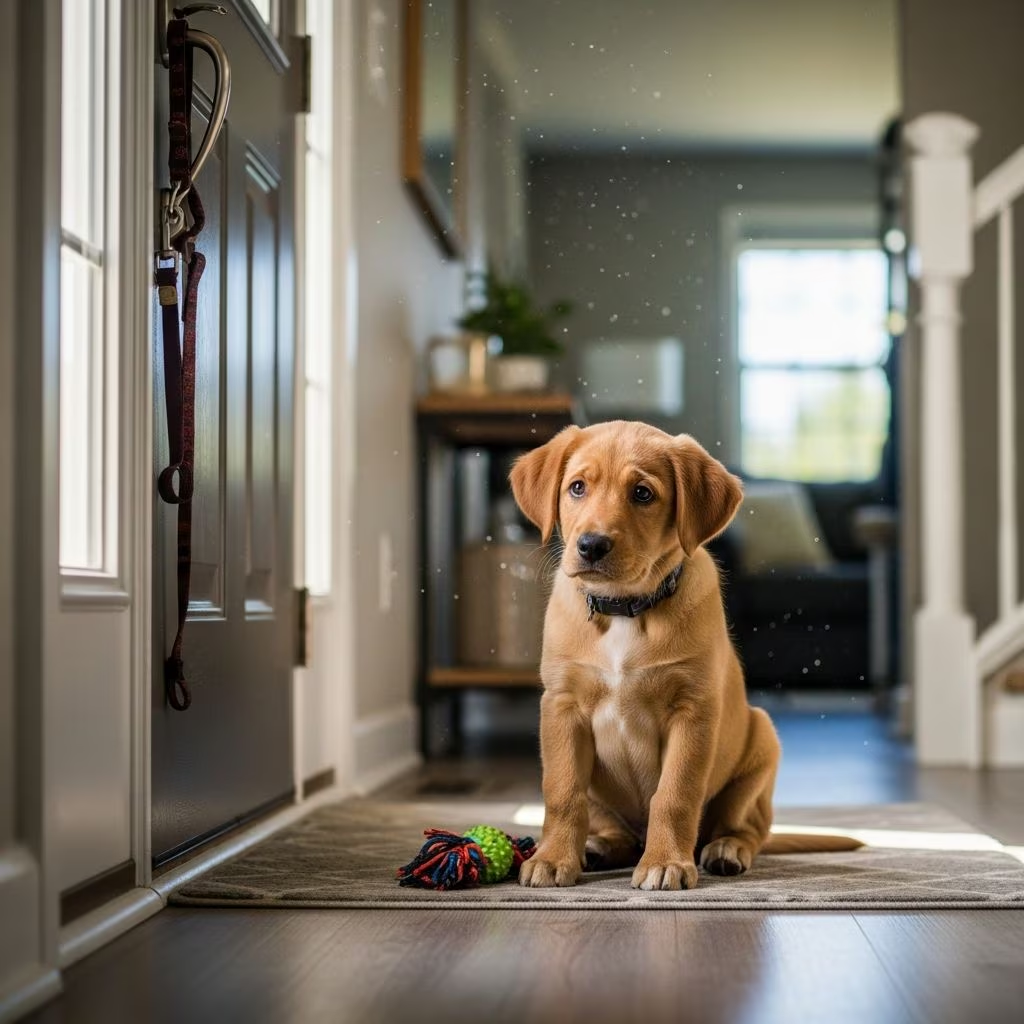
Leaving Your Puppy Home Alone for the First Time
Bringing home a new puppy is exciting, but sooner or later you have to face a big milestone: leaving your puppy home alone for the first time. Many pet parents worry about how long a puppy can be left alone, what’s safe, and how to prevent separation anxiety. With the right preparation, you can teach your puppy that alone time is normal, safe, and even relaxing.
This guide walks you through everything from age-appropriate time limits to training strategies, safe setups, and signs of stress, so you and your puppy can feel confident when you walk out the door.
How Long Can You Leave a Puppy Alone?
Puppies have small bladders, developing brains, and big social needs, so they cannot stay alone as long as adult dogs. Professional guidance often recommends very short stretches, especially in the first months of life.
| Puppy Age | Approx. Max Time Alone (Daytime) | Key Considerations |
|---|---|---|
| 8–10 weeks | 1 hour | Very frequent potty breaks, high need for supervision and bonding. |
| 10–12 weeks | 1–2 hours | Still limited bladder control; keep sessions short and positive. |
| 3–4 months | 2–3 hours | Start building independence with calm alone-time practice. |
| 5–6 months | 3–4 hours | Many pups can hold their bladder longer but still need breaks. |
| 6+ months | Up to 4–6 hours (with training) | Consider mid-day breaks; adjust based on your dog’s behavior and needs. |
Use these ranges as general guidelines, not strict rules. Some puppies need shorter intervals, especially small breeds or those with medical issues. When in doubt, err on the side of shorter alone time and more frequent breaks.
Preparing Your Puppy for Alone Time
Puppies are not automatically comfortable being alone. They need gradual, structured experiences that teach them that solitude is safe. When you practice early and consistently, you reduce the risk of separation-related issues later in life.
Start with Very Short Absences
Before leaving the house for hours, help your puppy get used to micro-absences while you are still nearby.
- Walk a few steps away in your home while your puppy is calmly engaged with a safe chew or toy.
- Step out of sight for a few seconds, then return before they become distressed.
- Gradually increase duration from seconds to minutes, always returning while your puppy is still relatively calm.
- Practice several short sessions a day instead of one long, stressful attempt.
Keep Exits and Returns Low-Key
Overly emotional goodbyes and reunions can intensify anxiety. Behavior specialists recommend keeping your body language and voice calm and matter-of-fact.
- Use a brief, neutral phrase such as “See you later” when you leave.
- On returning, say a simple, warm “Hi, buddy” and move on with your routine without a big emotional scene.
- Avoid apologizing, crying, or over-reassuring at the door, which can signal that something is wrong each time you go out.
Create a Leaving Routine
A predictable pattern helps your puppy understand what’s happening and what’s expected.
- Offer a potty break, short play, and then a calm-down period before you go.
- Give a safe, high-value chew or food puzzle as you put them in their designated space.
- Use a consistent cue like “Go lie down” to signal that it’s time to rest while you’re away.
Setting Up a Safe Space
A secure environment keeps your puppy safe and makes it easier for them to relax when you are not around. Many pet professionals recommend a crate, playpen, or puppy-proofed room as a designated quiet zone.
Choosing the Right Containment
Different setups suit different households and puppies.
- Crate – A properly sized crate can feel like a den and help with house training and safety.
- Playpen – Offers more room for movement, toys, and a separate potty area if needed.
- Puppy-proofed room – Works best for puppies that are less destructive and already somewhat potty trained.
What to Include in the Space
Make your puppy’s alone-time area cozy and enriching without being overstimulating.
- Comfortable bedding your puppy can safely be left with.
- One or two safe chew toys and long-lasting food puzzles (no small parts or frayed materials that could pose a choking risk).
- A bowl of water in a spill-proof container.
- An item with your scent, such as a worn T-shirt, which can provide comfort.
Safety First
Before leaving, quickly scan for hazards.
- Remove electrical cords, houseplants that may be toxic, and small objects they could swallow.
- Avoid leaving rope toys or items they might shred and ingest unsupervised.
- Ensure the room is well-ventilated and not too hot or cold.
Crate Training for Alone Time
Crate training, when done with positive reinforcement, can help your puppy feel secure when alone. The goal is for the crate to become a place of rest, not punishment.
Making the Crate a Positive Place
- Introduce the crate gradually, allowing your puppy to explore it with the door open.
- Feed meals in or near the crate so they associate it with good things.
- Place soft bedding and a safe chew inside to encourage relaxation.
Progressing to Short Crated Absences
- Begin by closing the crate door for a few seconds while you stay nearby.
- Slowly extend the time with the door closed, then add brief periods where you step out of the room.
- Only move to leaving the house when your puppy can rest quietly in the crate for several minutes without distress.
- Never use the crate to punish separation-related behavior; this can increase fear and resistance.
Preventing Puppy Separation Anxiety
Some puppies handle alone time with ease, while others struggle. Separation anxiety involves intense distress and can lead to vocalizing, destructive behavior, or escape attempts. Early prevention focuses on building confidence, predictability, and trust.
Recognizing Separation-Related Stress
Common signs that your puppy may be struggling with being alone include:
- Whining, barking, or howling once you leave.
- Pacing, panting, or drooling excessively.
- Chewing doors, windowsills, or furniture.
- Scratching at doors or attempting to escape confinement.
- Indoor urination or defecation despite recent potty breaks.
- Clinginess when you are home, following you from room to room.
Build Confidence Through Socialization
Early and positive socialization can help reduce the risk of anxiety problems later.
- Introduce your puppy to a variety of people, dogs, environments, and sounds in a controlled, positive way.
- Pair new experiences with treats, play, and calm praise.
- Include brief, structured alone-time practice as part of their normal day.
Encourage Calm Independence
Instead of constantly entertaining your puppy, teach them how to relax on their own.
- Reward your puppy when they choose to settle on a mat or bed, even while you are home.
- Spend short periods in another room while they rest; return before they become distressed.
- Avoid immediately responding to every demand for attention, especially if it’s frantic.
Positive Reinforcement, Not Punishment
Dogs experiencing separation anxiety are not being “naughty”—they are distressed. Punishing them after the fact does not work and can worsen anxiety.
- Ignore or calmly manage minor mistakes and focus on preventing them in the future.
- Reward calm behavior generously, especially during pre-departure cues and quiet periods alone.
- If signs of anxiety are intense or persistent, consult your veterinarian or a qualified behavior professional.
What Do Puppies Do When We Leave Them?
Not all alone-time behaviors indicate a problem. Many dogs spend much of their time resting when left alone, while others watch the world or play with safe toys.
Normal Alone-Time Behaviors
- Settling near the door or window and calmly waiting for you.
- Napping for long stretches, especially after physical and mental exercise.
- Chewing acceptable toys, puzzles, or long-lasting treats.
- Watching or listening to outdoor activity without becoming frantic.
Destructive or Risky Behaviors
Some puppies test boundaries when unsupervised, especially if they are bored or under-exercised.
- Chewing furniture, rugs, or remote controls when normally they would not.
- Jumping on counters to search for food.
- Stealing items like shoes or cushions and turning them into toys.
These actions can stem from boredom, excess energy, or curiosity rather than anxiety. Increasing exercise, enrichment, and supervision, along with puppy-proofing, usually reduces these behaviors.
Before You Leave: A Simple Checklist
Use this quick checklist every time you prepare to leave your puppy alone.
- Puppy has had a recent potty break.
- Puppy has had a short session of play, training, or a walk appropriate for their age.
- Safe space is ready with water, secure bedding, and safe toys.
- Room temperature is comfortable and all hazards are removed.
- Calm cue is given (for example, “Go lie down”).
- You exit and return in a low-key, predictable way.
When to Ask for Professional Help
If your puppy shows intense or worsening distress when left alone, early intervention can prevent long-term problems.
- Your puppy injures themselves or damages doors, windows, or crate trying to escape.
- Vocalization continues for long periods after you leave.
- Panic appears to escalate over time instead of improving with practice.
- House-soiling occurs only when your puppy is alone.
Contact your veterinarian to rule out medical issues and ask for a referral to a certified veterinary behaviorist or qualified dog behavior professional if needed.
Frequently Asked Questions (FAQs)
Q: Can I leave an 8-week-old puppy home alone?
A: Very young puppies (around 8 weeks) should only be left alone for extremely short periods, typically up to about an hour, because they need frequent potty breaks, regular meals, and social contact. Arrange for a trusted person or a professional to help if you must be away longer.
Q: Is it better to crate my puppy or leave them in a room?
A: Both can work. A crate can help with house training and safety if introduced positively, while a puppy-proofed room or playpen offers more space. Choose based on your puppy’s temperament, training level, and how safely you can secure the environment.
Q: How do I know if my puppy has separation anxiety?
A: Signs include intense vocalizing, destructive attempts to escape, excessive drooling or panting, and house-soiling that occur mainly when you’re gone. If these behaviors are severe or persistent, seek help from your veterinarian or a certified behavior professional.
Q: Should I ignore my puppy before I leave and when I come back?
A: Older advice suggested completely ignoring your dog before and after departures, but behavior experts now recommend keeping exits and entries chill yet socially normal—a brief, neutral greeting is enough. The goal is to avoid turning departures into emotional events, not to remove all communication.
Q: Will my puppy eventually get used to being alone?
A: Many puppies adapt well when alone time is introduced gradually, paired with positive experiences, and supported by consistent routines and safe environments. Others may need more structured training or professional help, especially if anxiety signs appear.
References
- How Long Can You Leave a Puppy Alone? — Adopt a Pet. 2023-02-01. https://www.adoptapet.com/blog/behavior-training/how-long-can-you-leave-a-puppy-alone
- How to Ease Your Puppy’s Separation Anxiety — Kinship. 2023-06-15. https://www.kinship.com/dog-behavior/puppy-separation-anxiety
- Who Really Has the Separation Anxiety—You or Your Dog? — Kinship. 2023-04-20. https://www.kinship.com/dog-behavior/stress-leaving-dog-alone
- What Do Our Dogs Actually Do When We Leave Them Alone? — Kinship. 2022-11-10. https://www.kinship.com/dog-behavior/what-do-dogs-do-when-we-leave-them-alone
- AVSAB Position Statement on Puppy Socialization — American Veterinary Society of Animal Behavior. 2008-10-01. https://avsab.org/wp-content/uploads/2019/01/Puppy_Socialization_Position_Statement_Download_-_10-3-14.pdf
- Separation Anxiety in Dogs — American Veterinary Medical Association. 2021-06-01. https://www.avma.org/resources/pet-owners/petcare/separation-anxiety-dogs



