

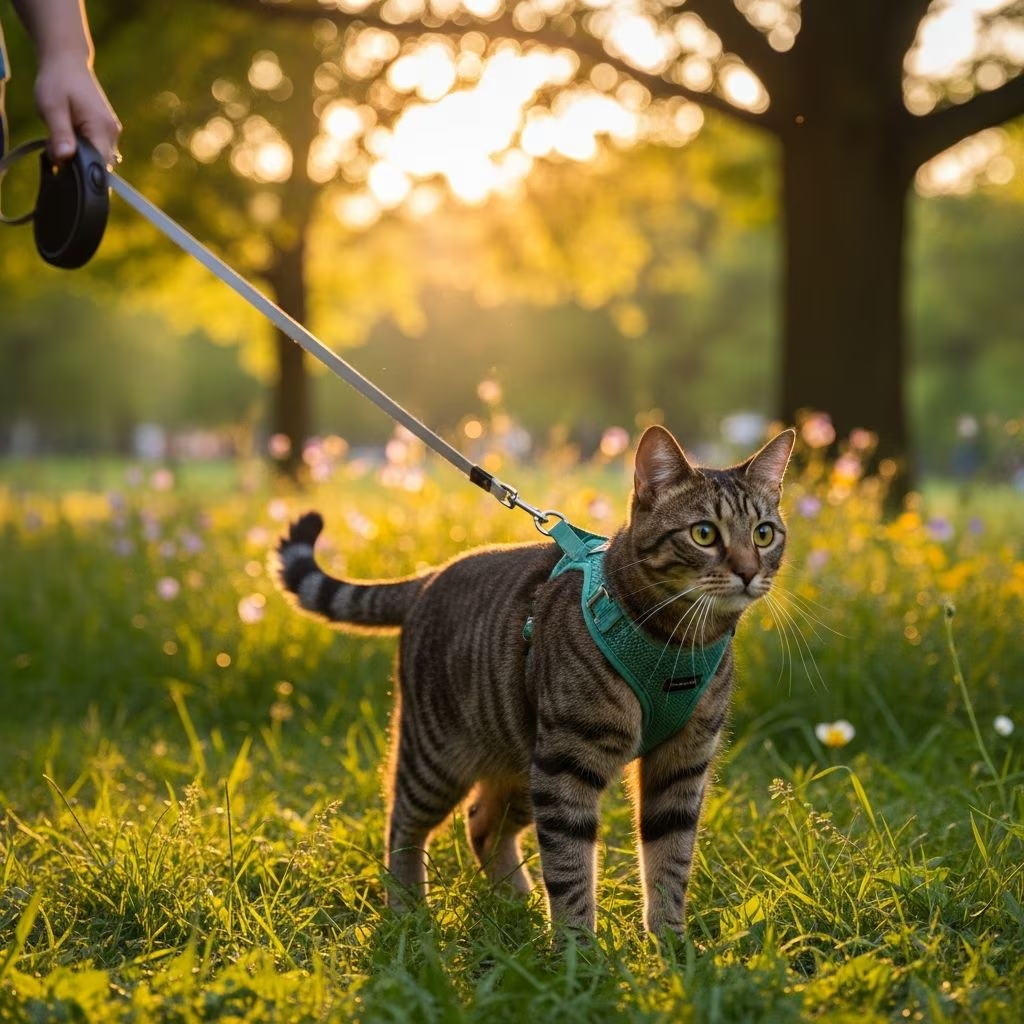
Many cat owners believe felines are strictly indoor creatures, but with proper preparation, cats can enjoy supervised outdoor time on a leash. This approach provides mental stimulation, physical activity, and a chance to experience natural scents and sights, all while keeping them secure from common dangers like traffic or predators.
Why Consider Leash Training for Your Cat?
Indoor cats often face risks of obesity and boredom due to limited space and activity. Leash walking introduces fresh air and novel environments, promoting healthier lifestyles. Experts note that harness training reduces escape risks compared to collars, distributing pressure evenly across the body to prevent injury. It also strengthens the bond between cat and owner through shared exploration.
Selecting the Right Equipment
Choosing appropriate gear is foundational to successful and safe outings. Start with a cat-specific harness rather than a collar, as collars can slip off easily or cause tracheal damage from pulling.
- Harness Types: Opt for adjustable models like jacket-style or H-harnesses that fit snugly, allowing two fingers between the fabric and your cat’s body. Brands such as Red Dingo offer safety releases for entanglement.
- Leash Options: Use a lightweight, non-retractable 4-6 foot leash for control without encouraging pulling. Avoid retractables, as they can lead to overextension and loss of control.
- Additional Essentials: Carry treats for reinforcement, ensure vaccinations (including FeLV) are current, and verify microchip functionality with updated contact info.
| Item | Key Features | Why It Matters |
|---|---|---|
| Harness | Adjustable straps, chest coverage, escape-proof | Prevents neck injury and slipping out |
| Leash | 4-6 ft, lightweight, fixed length | Maintains proximity and safety |
| Treats/ID Collar | High-value rewards, tags with info | Positive association and identification |
Step-by-Step Training Guide
Patience is key; training may take days to weeks depending on your cat’s temperament. Begin indoors to build positive associations gradually.
Phase 1: Introduction to Gear
Leave the harness near your cat’s favorite spots, like their bed or feeding area, for sniffing. Pair it with play or meals to foster familiarity. Practice the snapping or Velcro sounds separately to desensitize any startle response.
Phase 2: Fitting the Harness
Once comfortable, gently place the harness on without fastening fully. Offer treats and praise immediately. Supervise short sessions (5-10 minutes), gradually extending wear time. Watch for stress signals like freezing, hissing, or hiding—remove if noticed and retry later.
Phase 3: Adding the Leash
Attach the leash loosely, allowing your cat to drag it indoors while supervised. Use treats to encourage movement. Progress to gentle tugs followed by rewards for forward steps, teaching responsiveness without force.
Phase 4: Indoor Practice Walks
Hold the leash lightly and follow your cat’s lead around the house. Reward calm exploration to reinforce good behavior. Only advance outdoors when your cat moves freely without panic.
venturing Outdoors Safely
Put on gear indoors before opening doors to prevent bolting. Begin in low-stimulation areas like a screened porch or fenced yard. Let your cat set the pace—expect sniffing stops and meandering rather than brisk walks.
- Start with 5-minute sessions, building to 15-20 minutes.
- Choose quiet times to avoid dogs or crowds.
- Carry your cat to/from the area if needed to minimize stress.
Common Challenges and Solutions
Cats may resist initially, freezing or backing out of the harness. Counter this with high-value treats like canned food or squeeze cheese during wear. If pulling occurs, never yank; instead, stop and lure with treats. For fearful cats, shorten sessions and increase praise.
| Challenge | Solution |
|---|---|
| Freezing in Harness | Short sessions, treats while wearing, gentle petting |
| Refusal to Move | Follow cat’s lead, use smelly lures |
| Escape Attempts | Check fit, add safety collar with ID |
| Overstimulation Outside | End session early, return indoors |
Health and Safety Essentials
Prioritize wellness: Administer flea/tick preventives and confirm up-to-date vaccines before outings. Always scan for hazards like loose animals or toxic plants. Indoor-only cats may lack street smarts, so vigilance is crucial—pick up at signs of distress.
Microchipping provides a safety net; test it regularly and update records. Pair harness with a breakaway collar bearing ID tags for dual protection.
Benefits Beyond the Walk
Leash training enhances overall well-being. Cats gain exercise to combat weight gain, mental enrichment from scents, and reduced destructive behaviors from pent-up energy. Owners report stronger trust and fewer vet visits for obesity-related issues.
FAQs
Can all cats be leash trained?
Most can with patience, but highly anxious or elderly cats may prefer indoor alternatives. Assess temperament first.
How long does training take?
Typically 1-4 weeks, varying by cat. Consistency speeds progress.
Is a retractable leash safe?
No—experts advise against them for cats due to control loss and injury risk.
What if my cat panics outside?
Calmly pick them up, return indoors, and shorten future sessions. Never force continuation.
Are outdoor walks necessary for indoor cats?
Not essential, but they offer enrichment. Alternatives include window perches or catios.
Advanced Tips for Seasoned Walkers
Once proficient, explore varied routes gradually. Use clicker training for precise cues. Group walks with calm dogs can work if supervised, but separate initially. Track progress in a journal to note improvements and triggers.
For multi-cat homes, train individually to avoid competition. Weather considerations: Avoid extremes; opt for mild days with shade and water breaks.
References
- Leash Training a Cat 101: A Complete Guide to Getting Outside — Chewy.com. 2023. https://www.chewy.com/education/cat/training-and-behavior/cat-walking-101-train-cat-walk-leash
- Walking Your Cat on Leash… and Doing it Safely — Lone Tree Veterinary Clinic. 2024. https://www.lonetreevet.com/blog/leash-train-your-cat/
- Leash training your cat — Wisconsin Humane Society. 2023. https://www.wihumane.org/behavior/ask-the-experts/cat-behavior/leashing-your-cat
- Train Your Cat to Walk on a Leash: Outdoor Safety for Indoor Cats — Oh My Dog Blog. 2018-07-01. https://ohmydogblog.com/2018/07/train-your-cat-to-walk-on-a-leash/
- 5 Tips on Leash-Training Your Cat — PETA. 2023. https://www.peta.org/living/animal-companions/follow-simple-tips-get-cat-leash-trained-spring/
- Harness Training your Cat [PDF] — Animal Rescue League of Iowa. 2025-08. https://arl-iowa.org/wp-content/uploads/2025/08/Cat-Harness-Leash-Training.pdf



