

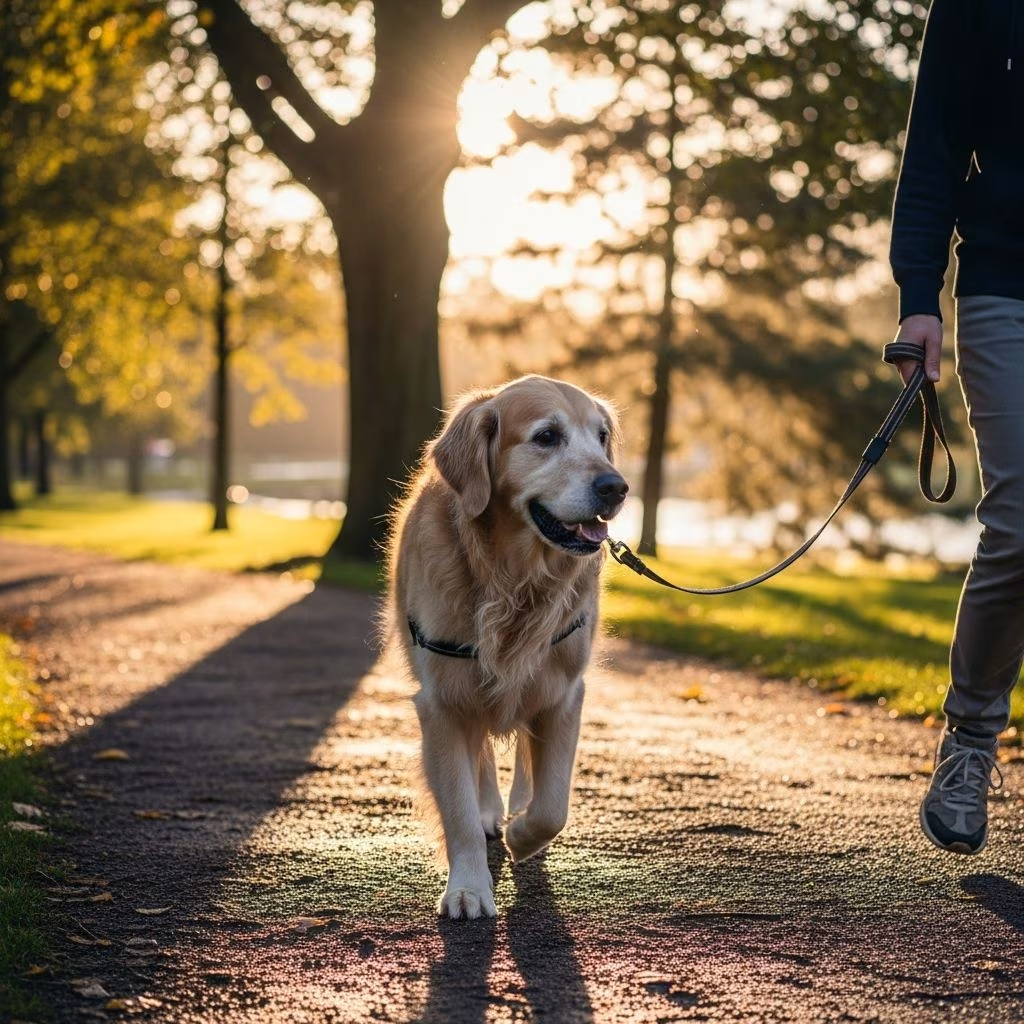
Teaching an older dog to walk politely on a leash presents unique challenges that differ significantly from training puppies. Senior dogs often arrive with established habits, potential physical limitations, and less tolerance for intensive training sessions. However, with the right approach, understanding, and equipment, leash training can become an enjoyable bonding experience that enhances daily life for both dog and owner. This comprehensive guide explores practical strategies specifically designed for mature dogs, addressing common obstacles and providing solutions tailored to their needs.
Understanding the Senior Dog’s Perspective on Leash Walking
Older dogs may resist leash training for various reasons that differ from younger canines. Some senior dogs have never experienced proper leash training and don’t understand what’s expected. Others have developed pulling habits over years of unsupervised walking. Additionally, arthritis, joint pain, vision changes, or other age-related health conditions can make traditional leash walking uncomfortable or anxiety-inducing.
The key to successful training lies in recognizing these differences and adjusting your expectations accordingly. Rather than viewing leash training as a corrective measure for bad behavior, consider it an opportunity to teach your mature companion a new skill that improves their quality of life and strengthens your relationship.
Selecting Appropriate Equipment for Mature Dogs
The right gear makes an enormous difference when training older dogs. Unlike puppies with flexible necks and high energy levels, senior dogs benefit from equipment designed specifically to reduce strain and provide comfort during the learning process.
Harness Selection for Comfort and Control
Harnesses represent the superior choice for senior dogs compared to traditional collars. A well-designed harness distributes pressure evenly across the chest and shoulders rather than concentrating force on the neck, significantly reducing the risk of injury, particularly in dogs with pre-existing throat or respiratory conditions.
When selecting a harness, prioritize padded designs with adjustable straps to ensure a custom fit for your dog’s unique body shape. Front-clip harnesses deserve special attention, as they naturally redirect your dog’s forward motion back toward you when pulling occurs, providing gentle course correction without requiring jerking movements.
Leash Specifications and Length Considerations
A sturdy, durable leash measuring between four and six feet in length provides the ideal balance for training. This length offers sufficient freedom for your dog to explore interesting scents and surroundings while maintaining adequate control. Avoid retractable leashes during training sessions, as they provide inconsistent feedback and can inadvertently reward pulling behavior by allowing your dog to move forward when pressure is applied.
Leather and nylon materials both offer durability, though nylon tends to be more forgiving on hands during extended training sessions. The weight of the leash should match your strength and your dog’s size, ensuring you can maintain control without excessive effort.
Collar Considerations
If using a collar alongside your harness, select a properly fitted flat collar rather than choke or pinch styles. These outdated tools cause unnecessary stress and potential injury, particularly in senior dogs whose necks and tracheas are more fragile. A well-fitted collar should allow two fingers to slip comfortably between the collar and your dog’s neck.
Pre-Training Foundation: Building Positive Associations
Before venturing outdoors or expecting your dog to walk in heel position, establish a foundation of positive associations with leash equipment. This preliminary phase proves especially important for older dogs who may have experienced negative leash interactions in the past.
Indoor Introduction and Desensitization
Begin by allowing your dog to become acquainted with the leash and harness in your home’s familiar, low-stress environment. Let your dog sniff the equipment without pressure. Attach the harness briefly during calm moments, immediately rewarding with treats and praise simply for wearing it. This creates positive neural associations: harness appears, treats and praise follow.
Repeat this process multiple times over several days, gradually increasing the duration your dog wears the equipment. Never force or rush this phase. Some dogs adapt within hours; others may require a week or more. This patience investment pays dividends in reduced stress during actual training.
Initial Indoor Walking Practice
Once your dog accepts wearing the harness and leash, begin short walking sessions within your home. Walk slowly around your living space, praising calm behavior and offering high-value treats when your dog walks beside you without tension on the leash. Keep these sessions to five to ten minutes maximum, ending on a positive note before your dog becomes fatigued or frustrated.
Structured Training Protocol for Mature Dogs
A systematic, step-by-step approach prevents confusion and builds confidence progressively. Each phase establishes foundational skills that support the next level of training.
Phase One: Mastering Basic Leash Compliance Indoors
Focus on teaching your dog that loose leash tension equals positive outcomes. Position yourself in a quiet indoor space and begin walking at a steady, slow pace. When your dog walks beside you with a slack leash, immediately mark this behavior with enthusiastic praise and deliver a high-value treat. High-value means something your dog genuinely loves—soft chicken, cheese, or commercial training treats, depending on individual preferences.
When your dog pulls, stops abruptly, or creates tension on the leash, cease forward movement immediately. Stand motionless like a tree, neither moving forward nor allowing your dog to advance. Only resume walking when your dog turns toward you or moves to relieve the leash pressure. This teaches a powerful lesson: pulling doesn’t produce progress; only calm, cooperative behavior moves the journey forward.
Phase Two: Introducing Directional Commands
Once your dog demonstrates consistent loose leash walking indoors, introduce basic directional commands. Practice “heel” by walking at your side and holding treats at your leg level, rewarding your dog for maintaining that position. “Come” should be practiced frequently, teaching your dog to return promptly when called even with the leash attached.
These commands provide structure and mental engagement for senior dogs, preventing boredom while reinforcing obedience. Keep command practice sessions to ten to fifteen minutes, mixing in breaks where your dog can simply wear the leash without formal training demands.
Phase Three: Transitioning to Outdoor Environments
Only after your dog masters indoor leash skills should you introduce outdoor walking. Begin in quiet areas with minimal distractions—perhaps a residential street during off-peak hours or a quiet park corner. Gradually progress to busier environments as your dog demonstrates consistent calm behavior.
Expect your dog’s training level to regress slightly in new environments; this is completely normal. The distraction of outdoor stimuli—other dogs, vehicles, interesting smells—temporarily overrides indoor training. Respond with patience and additional high-value treats in these challenging settings.
Addressing Common Behavioral Challenges
Managing Pulling and Lunging Behaviors
Pulling represents the most frequent leash training problem, particularly in dogs with a history of unrestricted walking. When your dog pulls, employ the “stop-and-go” method: immediately halt all forward progress, standing completely still. Maintain the leash but don’t jerk or yank. Wait patiently until your dog creates slack in the leash through their own movement toward you. Then resume walking immediately.
This method requires consistency from every handler in your household. If some family members allow pulling to produce progress while others stop walking, your dog receives contradictory messages that confuse and slow learning. Establish household rules that everyone follows without exception.
For lunging toward specific distractions like squirrels or other dogs, front-clip harnesses prove particularly effective. They naturally redirect your dog’s body weight back toward you without requiring forceful corrections. Simultaneously, employ redirection techniques: change direction abruptly, call your dog’s name in an upbeat tone, and offer a high-value treat to refocus attention.
Dealing with Refusal to Walk
Some senior dogs simply freeze or refuse to move during training. Never drag a reluctant dog forward; this creates negative associations and potential injury. Instead, try changing direction, walking a different route, or encouraging movement with an excited tone of voice and interesting treats.
Consider whether physical discomfort underlies the refusal. Arthritis, joint pain, or other health conditions might make forward movement painful. A veterinary examination can rule out medical issues. For dogs with legitimate pain, shorter walks at slower paces become appropriate rather than traditional training expectations.
Handling Stubbornness and Testing Boundaries
Mature dogs sometimes test boundaries during training, deliberately pulling or refusing movement to gauge your response. This behavior requires calm consistency rather than frustration or punishment. Maintain your composure, stand still like a tree, and wait. Your dog will eventually comply because the alternative—standing motionless—lacks reward value.
Never allow pulling to successfully produce progress, even occasionally. Dogs learn quickly when certain behaviors work unpredictably; inconsistency actually strengthens problematic behaviors by creating intermittent reinforcement. Consistency in always stopping when pulling occurs teaches the lesson most effectively.
Customized Training Sessions for Senior Dogs
Duration and Frequency Guidelines
Unlike young, high-energy dogs, senior canines benefit from shorter, more frequent training sessions. Aim for ten to fifteen minute focused training periods, potentially repeated two to three times daily rather than extended thirty-minute walks. This approach prevents fatigue, maintains engagement, and respects the physical limitations common in aging dogs.
Distribute training throughout the day to prevent boredom while managing stamina concerns. Your dog’s attention span naturally decreases with age, and pushing through fatigue creates negative associations with training rather than positive learning experiences.
Adapting Pace to Individual Capabilities
Adjust training intensity based on your specific dog’s health status and physical condition. Dogs with arthritis or joint problems may move slowly but can still benefit tremendously from calm, steady leash practice at their own pace. Shorter walks at a leisurely pace often prove more valuable than forced participation in longer, faster-paced walks that cause discomfort.
Incorporate mental enrichment during training, practicing simple commands like “sit” and “stay” alongside physical walking. This combination keeps your dog’s mind engaged while respecting physical limitations.
Reward Selection for Senior Dogs
Choose high-value treats appropriate for your dog’s age and dental health. Soft, easy-to-chew options suit senior dogs better than hard biscuits that stress aging teeth. Many older dogs thrive on small pieces of chicken, cheese, or specialized senior dog treats.
Vary your rewards to maintain motivation. While food treats remain highly effective, some senior dogs respond equally well to verbal praise, gentle petting, or brief play sessions. Understanding your individual dog’s preferences allows you to customize motivation strategies.
Advanced Techniques for Established Learners
Once your dog reliably demonstrates basic loose leash walking, you can introduce more sophisticated training elements that further refine behavior and provide mental stimulation.
Perfecting Heel Walking Technique
The heel command represents advanced loose leash walking, where your dog maintains a specific position at your side without pulling. Practice by holding treats at your thigh level and rewarding your dog for staying directly alongside you as you walk. This exercise requires focus and body awareness, providing excellent cognitive engagement for senior dogs.
Environmental Confidence Building
Progressively expose your dog to different environments, gradually increasing stimulation levels. Start in ultra-low-distraction areas, then advance to moderately stimulating environments, and finally to challenging settings with heavy distractions. This gradual progression builds confidence while preventing overwhelming stress responses.
Frequently Asked Questions About Senior Dog Leash Training
How long does leash training typically take for older dogs?
Timeline varies significantly based on individual dog history, age, and learning capacity. Dogs trained consistently may show improvement within days, while others require several weeks or months. Consistency matters more than speed; slow, steady progress creates lasting behavioral change.
Can very old dogs learn leash walking, or is it too late?
Dogs of virtually any age can learn new skills with appropriate methods. Senior dogs may learn more slowly than younger canines, but age alone doesn’t prevent successful training. Health limitations may require adjustments to training intensity, but learning capacity persists throughout life.
What if my dog has physical health issues? Can they still do leash training?
Absolutely, though training must be adapted to accommodate specific health conditions. Consult your veterinarian about appropriate exercise levels and any concerns about your dog’s specific health status. Shorter, slower walks often work perfectly for dogs with joint issues or cardiovascular limitations.
Should I use punishment if my dog pulls excessively?
No. Harsh corrections, jerking, or punishment create fear and stress without effectively teaching desired behaviors. Positive reinforcement methods—rewarding calm behavior and withholding progress for pulling—prove far more effective and maintain your relationship with your dog.
Is there a best time of day for training senior dogs?
Choose times when your dog is naturally alert but not overstimulated. Many senior dogs benefit from training sessions after a light meal, when they’re content but not hyperactive. Observe your individual dog’s energy patterns and train during optimal windows.
Summary: Keys to Successful Senior Dog Leash Training
Successfully training an older dog to walk calmly on a leash requires patience, appropriate equipment, and realistic expectations tailored to the mature dog’s capabilities and history. By selecting proper harnesses and leashes, establishing positive associations, implementing consistent training methods, and adapting approaches to individual health needs, most senior dogs can learn or improve their leash manners significantly.
The goal extends beyond simply controlling pulling behavior; leash training provides mental engagement, physical activity appropriate to your dog’s capabilities, and meaningful bonding time between dog and owner. For senior dogs, these daily interactions often represent irreplaceable opportunities for connection during their later years. Approach training with compassion, celebrate small victories, and remember that your patient investment in proper leash training enriches both your dog’s life and your own.
References
- How to Leash Train an Older Dog: Tips, Tools & Techniques — Supreme Dog Garage. Accessed February 17, 2026. https://www.supremedoggarage.com/how-to-leash-train-an-older-dog/
- How to Leash Train Your Dog — Orvis News. Accessed February 17, 2026. https://news.orvis.com/dogs/how-to-leash-train-your-dog
- How Do I Leash Train an Adult Dog That Has Never Been on a Leash? — American Breeder. Accessed February 17, 2026. https://www.americanbreeder.com/resources/american-breeder-blog/dogs/leash-training-adult-dog
- Teach your dog to walk on a loose leash — Animal Humane Society. Accessed February 17, 2026. https://www.animalhumanesociety.org/resource/teach-your-dog-walk-loose-leash



