

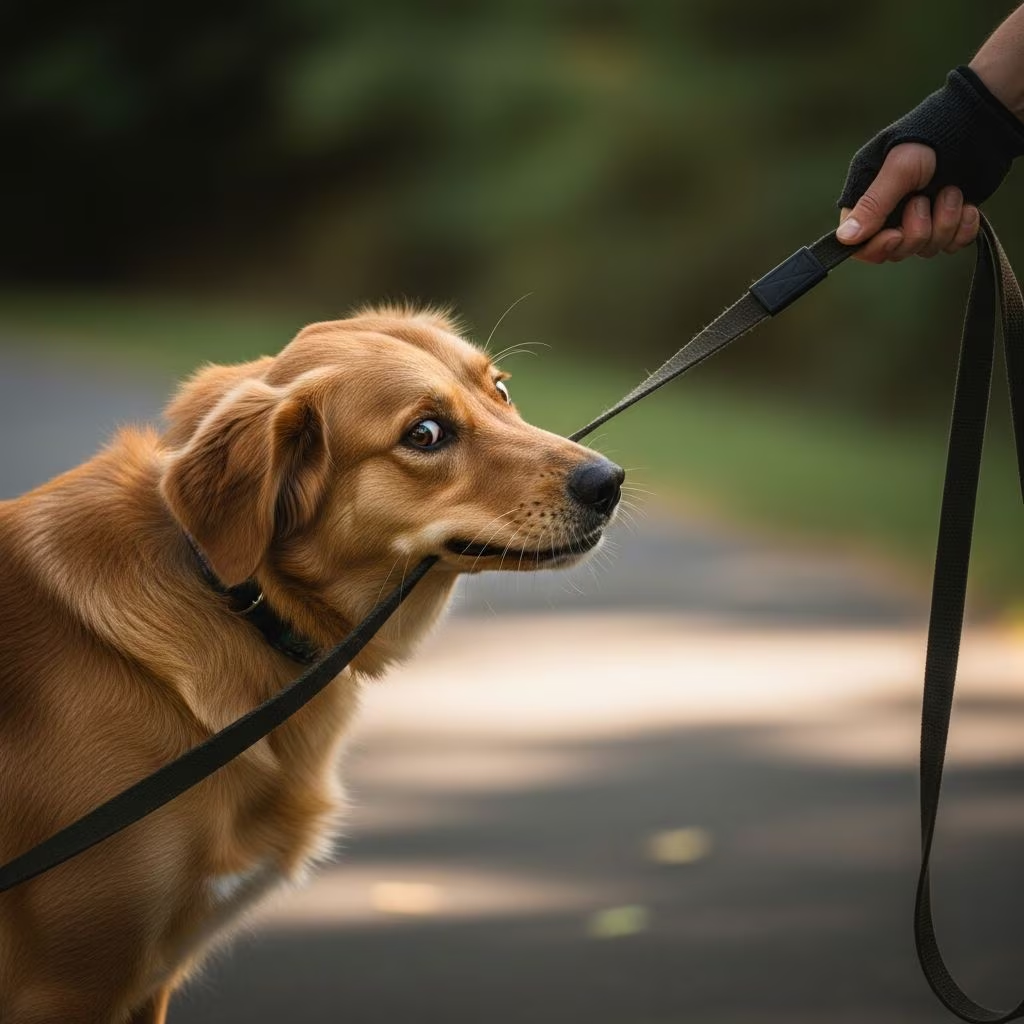
Dogs that refuse to move on a leash can turn daily walks into frustrating battles. Understanding the root causes and applying targeted training transforms these experiences into enjoyable routines for both pet and owner.
Understanding Why Dogs Avoid the Leash
Many dogs associate leashes with discomfort or restriction. Physical issues like pain from ill-fitting collars, past negative experiences such as forceful pulling, or simply unfamiliarity with the equipment contribute to resistance. Puppies may freeze due to fear of the novel sensation, while rescues might link leashes to stressful events like shelter intake. Environmental factors, including slippery floors or intimidating outdoor stimuli, exacerbate the problem. Addressing these requires patience and positive methods.
Behavioral experts note that dogs thrive on freedom; short leashes feel confining, prompting sit-downs or bolts. Medical checks rule out joint pain or injuries, ensuring training targets learned aversion rather than health concerns.
Selecting the Right Equipment for Success
Proper gear prevents injury and builds confidence. Opt for a non-retractable, flat or round leash matching your dog’s size—10 feet for small breeds, up to 30 feet for larger ones to allow natural movement. Front-clip harnesses redirect pulling without choking, ideal for puppies and strong adults.
| Gear Type | Best For | Key Benefits |
|---|---|---|
| Front-Clip Harness | Large puppies, pullers | Discourages forward pull, comfortable fit |
| Standard Collar | Small, calm dogs | Simple, lightweight option |
| Long Leash (20-30 ft) | Training phases | Reduces resistance, builds skills |
| Treat Pouch | All dogs | Quick access to rewards |
Accessories like clickers or marker words (‘yes!’) pinpoint correct behaviors instantly. A waist-strapped treat bag keeps essentials handy, minimizing distractions.
Building Positive Associations Indoors
Begin training in a low-stress home environment. Allow leash dragging without holding it, letting your dog acclimate to the feel. Pair the harness with treats or play sessions, gradually increasing wear time.
Once comfortable, introduce gentle guidance. Face your dog, place a treat on the floor, and walk backward as they follow. Mark slack-leash positions with a click or ‘yes’ followed by rewards. Randomly increase steps between treats—1, 3, 2—to maintain engagement.
- Start with 1-2 steps of loose-leash walking.
- Use high-value treats like chicken or cheese.
- Practice 5-10 minute sessions, 3 times daily.
- Add a cue like ‘Let’s go’ before movement.
This foundation prevents outdoor overwhelm, fostering voluntary following.
Mastering Loose Leash Techniques
Transition to motion-based drills. The Red Light/Green Light game places treats 4-5 feet ahead. Advance only on a loose leash; stop if tension arises. This teaches pulling halts progress.
Incorporate U-turns for forging ahead. Gently pivot directions, cueing ‘This way’ cheerfully, then reward compliance. Random turns keep dogs attentive without predictability.
Square pattern walks build focus: move forward, turn right, backward, left, rewarding heel position throughout. Gradually extend to front yards with mild distractions.
Overcoming Common Training Hurdles
Dogs sitting stubbornly? Scatter treats ahead, encouraging forward movement without pressure. For extreme fear—shaking or hiding—consult professionals.
Pulling persists? Freeze until slack returns, then resume. Reward check-ins at leash end by naming your dog and treating looks back, making it automatic.
Distractions derail? Use ‘free time’ cues for sniffing breaks on longer leashes, balancing structure with exploration.
Progressing to Real-World Walks
Once indoors succeed, venture outside quietly. Reward every loose-leash step initially, fading treats as habits form. Vary routes to generalize skills.
Sniffing walks reduce frustration: let dogs lead pace on long lines, reinforcing attention shifts to you. Fun cues like jolly tones boost motivation.
Advanced Tips for Lasting Results
Variable rewards prevent anticipation—treat on steps 2, 5, 3 unpredictably. Group walks challenge focus; practice one-on-one first.
Monitor body language: relaxed ears and wagging tails signal readiness. Track sessions in a journal for patterns.
FAQs
What if my dog panics with the leash on?
Remove it immediately, offer comfort, and retry with counter-conditioning: treats for mere presence. Seek vet clearance.
How long until walks improve?
Expect 1-4 weeks with consistent 10-minute daily sessions, varying by dog age and history.
Are harnesses better than collars?
For pullers, yes—front-clip models reduce strain. Collars suit non-pullers.
Can older dogs learn this?
Absolutely; positive methods work across ages, emphasizing patience.
What treats work best?
Soft, smelly options like hot dogs or cheese for high motivation.
References
- How To Leash Train a Dog — PetMD. 2023-05-15. https://www.petmd.com/dog/general-health/how-to-leash-train-dog
- Training Tips: Loose Leash Walking — San Diego Humane Society. 2024-02-10. https://sdhumane.org/resources/training-tips-loose-leash-walking/
- The Loose Leash Training YOU Need — McCann Dog Training (YouTube). 2023-08-20. https://www.youtube.com/watch?v=T1LYBGCuPCw
- Teaching Loose Leash Walking — Ontario SPCA. 2024-01-12. https://ontariospca.ca/blog/teaching-loose-leash-walking/
- How To Teach a Puppy To Walk on a Leash — American Kennel Club. 2023-11-08. https://www.akc.org/expert-advice/training/teach-puppy-walk-leash/
- Dog Training 101: Leash Training — Brandon McMillan (YouTube). 2022-06-14. https://www.youtube.com/watch?v=CRs7px0c79g
- How to Train Your Dog to Walk Nicely on the Lead — RSPCA. 2024-03-05. https://www.rspca.org.uk/adviceandwelfare/pets/dogs/training/walknicely



