

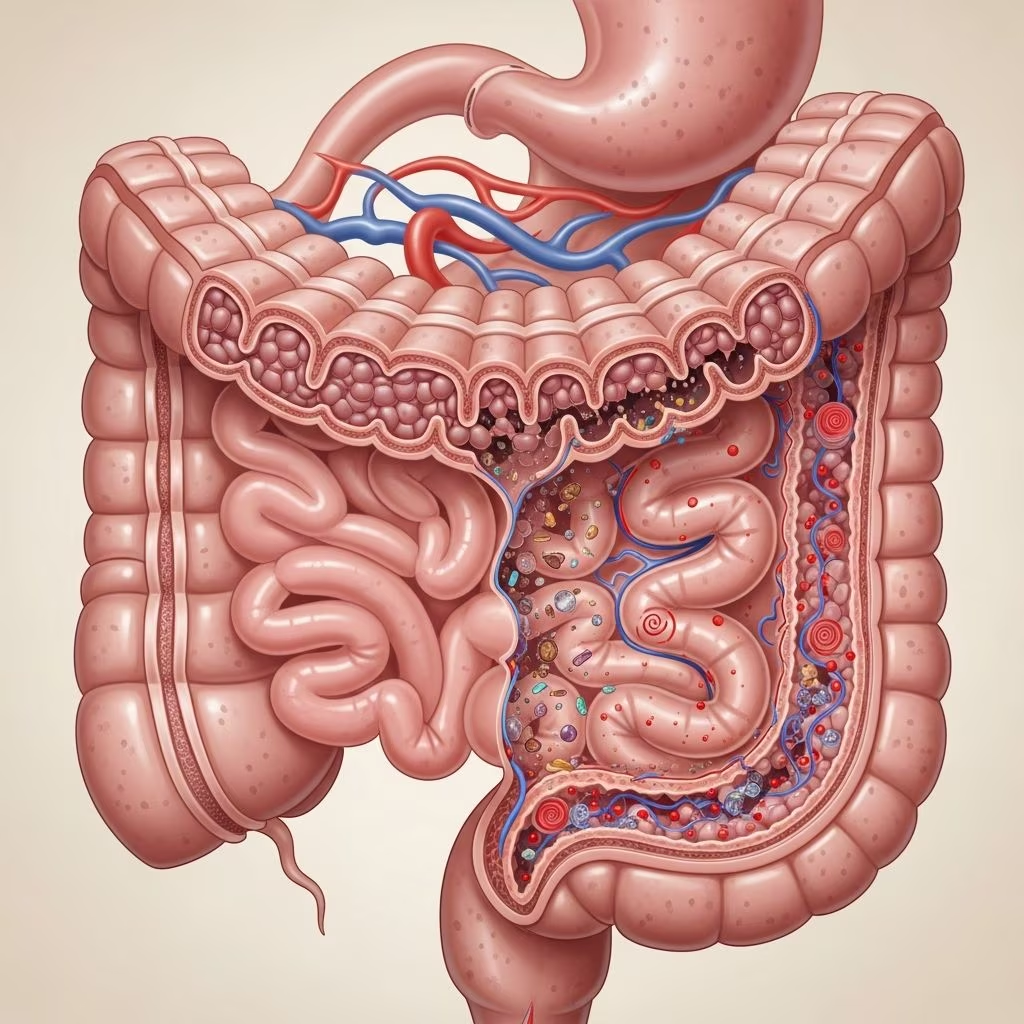
Understanding Leaky Gut Syndrome in Dogs
Leaky gut syndrome, also known as increased intestinal permeability, is a condition affecting the intestinal barrier function in dogs. The intestines contain a selectively permeable barrier that allows beneficial nutrients to be absorbed while preventing harmful substances from entering the bloodstream. When this barrier becomes compromised, unwanted toxins, bacteria, and incompletely digested food particles can pass through the intestinal wall into the circulatory system, triggering immune responses and systemic inflammation throughout the body.
This condition represents a significant concern for pet owners, as it can lead to various health complications affecting multiple body systems. Understanding the underlying mechanisms, recognizing symptoms early, and implementing appropriate treatment strategies are essential for managing this condition effectively.
What Causes Leaky Gut Syndrome?
Several factors can contribute to the development of leaky gut syndrome in dogs. Identifying the underlying cause is crucial for determining the most appropriate treatment approach and preventing recurrence of the condition.
Dietary Factors
Diet plays a central role in the development and persistence of leaky gut syndrome. Certain food components can irritate the intestinal lining and compromise barrier function. Common dietary culprits include grains containing gluten, raw or improperly cooked legumes containing high lectin levels, processed ingredients, artificial additives, and common allergens. Food sensitivities and allergies can trigger intestinal inflammation that damages the tight junctions between intestinal cells.
Infections and Dysbiosis
Bacterial infections, parasitic infestations, and fungal overgrowth can all contribute to intestinal barrier dysfunction. When the beneficial bacterial population becomes imbalanced (a condition known as dysbiosis), harmful microorganisms may proliferate, producing toxins that damage the intestinal lining and increase permeability.
Chronic Inflammation
Conditions causing chronic intestinal inflammation, such as inflammatory bowel disease or food sensitivities, create an environment that gradually damages the intestinal barrier. Prolonged inflammation weakens tight junctions between cells, leading to increased permeability.
Medications and Environmental Factors
Certain medications, particularly nonsteroidal anti-inflammatory drugs (NSAIDs), can damage the intestinal lining. Additionally, exposure to toxins, excessive stress, and inappropriate vaccination protocols may contribute to barrier dysfunction in susceptible individuals.
Recognizing Symptoms of Leaky Gut Syndrome
Leaky gut syndrome can manifest through diverse symptoms affecting multiple body systems, reflecting the systemic nature of this condition. Many symptoms appear unrelated, making diagnosis challenging without proper veterinary evaluation.
Digestive Symptoms
The most common manifestations include digestive disturbances such as chronic diarrhea, constipation, intermittent vomiting, bloating, and excessive gas. Dogs may experience nutrient malabsorption despite consuming adequate food, resulting in poor weight maintenance or nutritional deficiencies.
Skin and Coat Problems
Leaky gut frequently manifests through dermatological symptoms including itchiness, recurring hot spots, chronic ear infections, excessive paw licking, and poor coat quality. These skin issues often improve dramatically once gut barrier function is restored, indicating the strong connection between intestinal health and skin integrity.
Behavioral and Systemic Changes
Dogs with leaky gut may display behavioral changes including lethargy, anxiety, irritability, or unusual aggression. Additionally, they may experience joint discomfort, recurrent infections due to compromised immune function, food sensitivities, and overall poor health status.
Diagnostic Approaches
Diagnosing leaky gut syndrome requires comprehensive veterinary evaluation, as no single test definitively confirms the condition. Veterinarians typically employ multiple diagnostic methods:
- Physical examination and detailed medical history
- Complete blood work and biochemical panel analysis
- Fecal examination to rule out parasitic infections
- Elimination diet trials to identify food sensitivities
- Allergy testing when indicated
- Imaging studies if structural abnormalities are suspected
- Intestinal biopsy in severe or unresponsive cases
How Is Leaky Gut Syndrome Treated?
Treatment of leaky gut syndrome focuses on decreasing intestinal inflammation to restore the barrier function of the intestines. In many cases, the diagnosis of the underlying cause determines the specific treatment required. When a definitive diagnosis cannot be established, empirical treatments based on clinical experience are recommended.
Dietary Management
Dietary intervention forms the foundation of leaky gut treatment. First, any allergens or potential toxins should be removed from your dog’s diet. Your pet should be transitioned to a hypoallergenic diet unless a food allergy has been definitively ruled out using a veterinarian-directed food trial in the past. Ideal long-term diets emphasize whole foods and minimize processed ingredients.
Consider feeding:
- High-quality, easily digestible proteins
- Novel protein sources to reduce allergic responses
- Foods rich in omega-3 fatty acids
- Properly cooked vegetables
- Bone broth rich in collagen and glycine
Supplements and Nutraceuticals
Strategic supplementation supports intestinal barrier repair and reduces inflammation:
- Probiotics and Prebiotics: Synbiotics restore healthy gut microbiota balance and support immune regulation
- Omega-3 Supplements: Fish oil and other fatty acid supplements reduce intestinal inflammation
- L-glutamine: An amino acid that supports intestinal cell regeneration
- Bone Broth: Contains glycine and collagen supporting gut healing and beneficial bacteria growth
- Slippery Elm and Marshmallow Root: Soothe the intestinal lining and reduce irritation
- Turmeric and Ginger: Provide anti-inflammatory benefits
- Zinc: Supports tissue repair and immune function
Medical Management
Depending on the underlying cause, veterinarians may prescribe antimicrobial trials (such as metronidazole or tylosin) to address bacterial overgrowth. In severe cases with severe diarrhea or vomiting, fluid therapy and electrolyte balancing may be necessary for stabilization. Importantly, NSAIDs and other medications damaging the gastrointestinal tract should be discontinued when possible, as they can exacerbate the condition.
Natural Home Remedies
Several natural remedies can support healing:
- Cabbage Juice: Contains L-glutamine and growth factors supporting gut cell regeneration (1-2 teaspoons for small dogs, 1-2 tablespoons for larger dogs)
- Chamomile Tea: Provides anti-inflammatory benefits (1-2 tablespoons cooled daily)
- Pureed Pumpkin: Adds gentle fiber supporting beneficial bacteria (1 teaspoon to 2 tablespoons depending on size)
- Deglycyrrhizinated Licorice (DGL): Soothes the gut lining when given before meals
- Vegetable Broth: Provides healing compounds and minerals supportive of gut repair
Timeline for Healing and Recovery
The healing process for leaky gut syndrome varies depending on severity and individual factors. Initial improvements in digestive symptoms may appear within 7-10 days of implementing dietary changes and supplements. Skin issues often begin resolving within 3-4 weeks. Complete healing of the gut lining and restoration of normal barrier function generally requires at least 4-6 weeks of consistent treatment, while addressing chronic conditions related to leaky gut may require 3-6 months of ongoing care and management.
Long-Term Management Strategies
Successful management of leaky gut syndrome requires sustained commitment to dietary changes, stress reduction, and supportive care. Monitor your dog’s response to treatment and adjust protocols as needed. Regular veterinary follow-ups ensure appropriate progress and early identification of any complications. Maintain a clean environment, provide adequate exercise appropriate to your dog’s condition, and minimize stress through consistent routines.
Frequently Asked Questions
Q: Can leaky gut syndrome in dogs be completely cured?
A: Yes, leaky gut syndrome can often be managed effectively and resolved through diet modification, targeted supplements, and appropriate treatment recommended by a veterinarian. Many dogs experience complete resolution with proper management, though maintenance may be necessary for some individuals.
Q: How long does treatment typically take?
A: Most dogs show initial improvement within 7-10 days of treatment, with significant improvement in 4-6 weeks. However, complete healing and prevention of recurrence may require 3-6 months of consistent management.
Q: What is the best diet for dogs with leaky gut?
A: A hypoallergenic diet with high-quality, easily digestible proteins, whole foods, minimal processing, and omega-3 rich ingredients is typically recommended. Your veterinarian can recommend specific dietary options based on your dog’s sensitivities.
Q: Are probiotics necessary for treating leaky gut?
A: Probiotics and prebiotics (synbiotics) play an important supporting role by restoring healthy gut microbiota balance and supporting immune function, though they work best as part of a comprehensive treatment approach including dietary management.
Q: Can I treat my dog’s leaky gut at home?
A: While many supportive treatments can be implemented at home, including dietary changes, natural remedies, and supplements, it is essential to work with a veterinarian to identify underlying causes and ensure appropriate treatment protocols for your specific dog.
Q: What medications should be avoided in dogs with leaky gut?
A: NSAIDs and certain other medications can damage the gastrointestinal tract and worsen leaky gut syndrome. Always inform your veterinarian about your dog’s condition before administering any medications.
References
- Leaky Gut Syndrome in Dogs — VCA Animal Hospitals. 2025. https://vcahospitals.com/know-your-pet/leaky-gut-syndrome-in-dogs
- Leaky Gut in Dogs – Causes, Symptoms and Treatment — Bonza. 2025-03. https://www.bonza.dog/2025/03/leaky-gut-in-dogs-causes-symptoms-and-treatment/
- Leaky Gut Syndrome in Dogs — Volhard Dog Nutrition. 2025. https://www.volharddognutrition.com/leaky-gut-syndrome-dogs
- How to Treat Leaky Gut in Dogs — Puppy Poop. 2025. https://puppypoop.com/dog-diarrhea/leaky-gut-in-dogs/
- Leaky Gut In Dogs: A Growing Epidemic — Dogs Naturally Magazine. 2025. https://www.dogsnaturallymagazine.com/leaky-gut-syndrome-in-dogs/



