Lead Toxicity In Canines: Symptoms, Treatment, And Prevention
Discover the hidden dangers of lead exposure for dogs, from subtle symptoms to life-saving interventions that every pet owner must know.
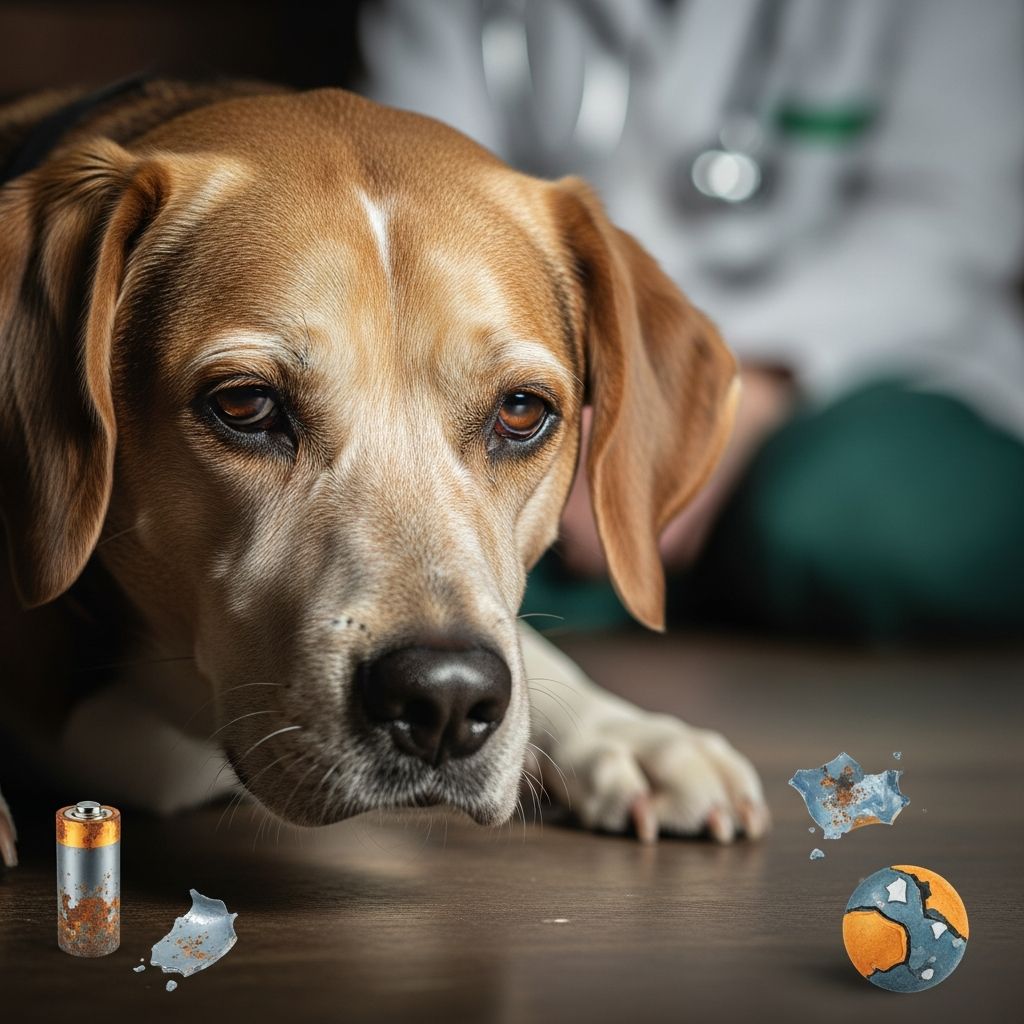
Lead Toxicity in Canines
Lead toxicity poses a serious threat to dogs, disrupting normal bodily functions through gastrointestinal distress, neurological impairments, and hematologic changes. This condition arises when dogs ingest or inhale lead-containing materials, leading to accumulation in tissues and organs.
Common Pathways of Lead Exposure in Dogs
Dogs encounter lead through various environmental sources. Chewing on old paint chips from deteriorating structures remains a primary risk, especially in homes built before lead paint bans. Discarded batteries, fishing weights, and lead-based ammunition also serve as hazards, particularly for dogs that scavenge outdoors.
- Household items: Paint flakes, curtain weights, and stained glass.
- Outdoor debris: Golf balls with lead cores, sinkers, and tire weights.
- Industrial remnants: Contaminated soil near factories or construction sites.
Puppies and young dogs face heightened vulnerability due to their exploratory chewing behaviors, while hunting or rural dogs may access lead shot in game or fields.
Recognizing the Initial Signs of Lead Poisoning
Early detection hinges on observing subtle behavioral shifts. Gastrointestinal symptoms often emerge first, including persistent vomiting, watery diarrhea, and refusal to eat. Dogs may exhibit abdominal discomfort, evidenced by hunching or whining when touched.
| Symptom Category | Common Manifestations | Frequency |
|---|---|---|
| Gastrointestinal | Vomiting, diarrhea, anorexia, colic | Most common |
| Neurological | Seizures, ataxia, tremors, aggression | Moderate |
| Behavioral | Lethargy, anxiety, jaw chomping | Variable |
| Systemic | Weakness, polydipsia, polyuria | Less common |
Neurological effects progress to include wobbly gait, muscle spasms, blindness, and convulsions in severe cases. Chronic low-level exposure manifests as weight loss, depression, and unexplained aggression.
How Lead Disrupts Canine Physiology
Once absorbed, lead mimics calcium, interfering with enzyme functions and cellular processes. It inhibits heme synthesis, causing anemia with basophilic stippling on blood smears. In the nervous system, lead reduces cerebral blood flow and impairs neuronal metabolism, triggering excitotoxicity and seizures.
Gastrointestinal mucosa suffers direct damage, leading to mucosal hemorrhage and malabsorption. Renal tubules accumulate lead, potentially causing tubular necrosis over time. Immunosuppression further compromises recovery by weakening defenses against secondary infections.
Diagnostic Approaches for Suspected Cases
Veterinarians confirm lead toxicity through a combination of history, clinical exams, and targeted tests. Exposure history—such as access to old homes or hunting grounds—raises suspicion. Radiographs often reveal radiodense foreign bodies in the gut, like metallic fragments.
- Blood lead concentration: Levels above 1.2 µmol/L indicate toxicity.
- Complete blood count: Reveals anemia, basophilic stippling.
- Biochemistry panel: Assesses liver and kidney function.
- Abdominal imaging: Identifies lead sources for removal.
Bone marrow analysis or tissue biopsies provide definitive proof in ambiguous cases, though blood levels suffice for initial management.
Emergency Response and Stabilization Protocols
Lead poisoning constitutes a veterinary emergency requiring immediate intervention. First, isolate and eliminate the lead source to halt further exposure. If ingestion occurred recently, induce emesis or perform gastric lavage, avoiding activated charcoal as it fails to bind metals.
Supportive measures stabilize the patient:
- IV fluids for hydration and electrolyte correction.
- Antiemetics like maropitant to control vomiting.
- GI protectants such as sucralfate or antacids.
- Seizure control with diazepam or phenobarbital.
Bathing removes external contaminants, while enemas aid in clearing intestinal lead. Thiamine supplementation (2-4 mg/kg/day) mitigates neurological damage by competing with lead uptake.
Core Treatment: Chelation Therapy Explained
Chelation therapy binds circulating lead for urinary excretion, forming the cornerstone of detoxification. Administer only after gastrointestinal decontamination to prevent enhanced absorption.
| Chelator | Dosage in Dogs | Administration | Duration |
|---|---|---|---|
| Sodium calcium edetate | 75 mg/kg/day, divided q6h | SC or IV, 1% solution | 5 days, repeat if needed |
| D-Penicillamine | 110 mg/kg/day | PO | 1-2 weeks |
| Succimer (DMSA) | 10 mg/kg, TID | PO | 10 days |
Sodium calcium edetate proves most reliable, yielding clinical improvement within 48 hours. Monitor for hypocalcemia and renal strain during therapy. Post-treatment blood lead levels guide further courses.
Long-Term Management and Monitoring
Follow-up spans weeks, with weekly blood lead checks and clinical reassessments. Oral medications like ranitidine support GI healing, while vitamin B12 injections address deficiencies. Nutritional support via high-quality diets aids recovery.
Owners must puppy-proof environments, securing potential lead sources. Regular vet check-ups for at-risk dogs ensure early detection of subclinical exposure.
Prognostic Factors Influencing Outcomes
Prognosis excels with prompt treatment in mild cases, boasting full recovery rates over 90%. Severe CNS involvement—prolonged seizures or coma—worsens odds, with mortality approaching 50% despite intervention.
Body size relative to ingested dose matters; smaller dogs suffer disproportionately. Chronic exposure demands prolonged therapy but responds well to consistent management.
Preventive Strategies for Lead-Safe Homes
Proactive steps minimize risks:
- Inspect and renovate pre-1978 homes for lead paint.
- Store batteries, weights, and ammo securely.
- Avoid hunting with lead shot; opt for steel alternatives.
- Maintain yards free of debris; test soil if near highways.
- Supervise chewing, providing safe toys.
Annual blood screening for high-risk breeds or lifestyles detects issues early.
Frequently Asked Questions
What should I do if I suspect lead poisoning in my dog?
Contact your vet immediately. Provide exposure history and note symptoms for rapid assessment.
How quickly do symptoms appear after lead ingestion?
Acute signs emerge within hours to days; chronic effects build over weeks.
Can lead poisoning be fatal?
Yes, untreated severe cases lead to death from seizures or multi-organ failure.
Is chelation therapy safe for all dogs?
Generally yes, but requires monitoring for side effects like vomiting or renal issues.
How can I test my home for lead?
Use EPA-approved kits or hire certified inspectors for paint and soil analysis.
Key Takeaways for Pet Owners
Lead toxicity, though uncommon, demands vigilance. Swift action—source removal, stabilization, and chelation—transforms dire situations into recoveries. Educate yourself on risks, prioritize prevention, and partner with your veterinarian for your dog’s optimal health.
References
- Treating Lead Poisoning in Dogs — Vet Times. 2023. https://www.vettimes.com/clinical/small-animal/treating-lead-poisoning-in-dogs
- Lead Poisoning in Dogs: Signs, Symptoms, Treatments — American Kennel Club. 2024-01-15. https://www.akc.org/expert-advice/health/lead-poisoning-in-dogs/
- Lead Poisoning in Animals — Merck Veterinary Manual. 2025-06-20. https://www.merckvetmanual.com/toxicology/lead-poisoning/lead-poisoning-in-animals
- Lead Poisoning in Dogs – Causes, Treatment — Vetster. 2024. https://vetster.com/en/conditions/dog/lead-poisoning
- Lead Poisoning in Dogs and Cats — Pet Health Network. 2023-11-10. https://www.pethealthnetwork.com/dog-health/dog-toxins-poisons/lead-poisoning-dogs-and-cats
Similar Articles






Read full bio of Sneha Tete