

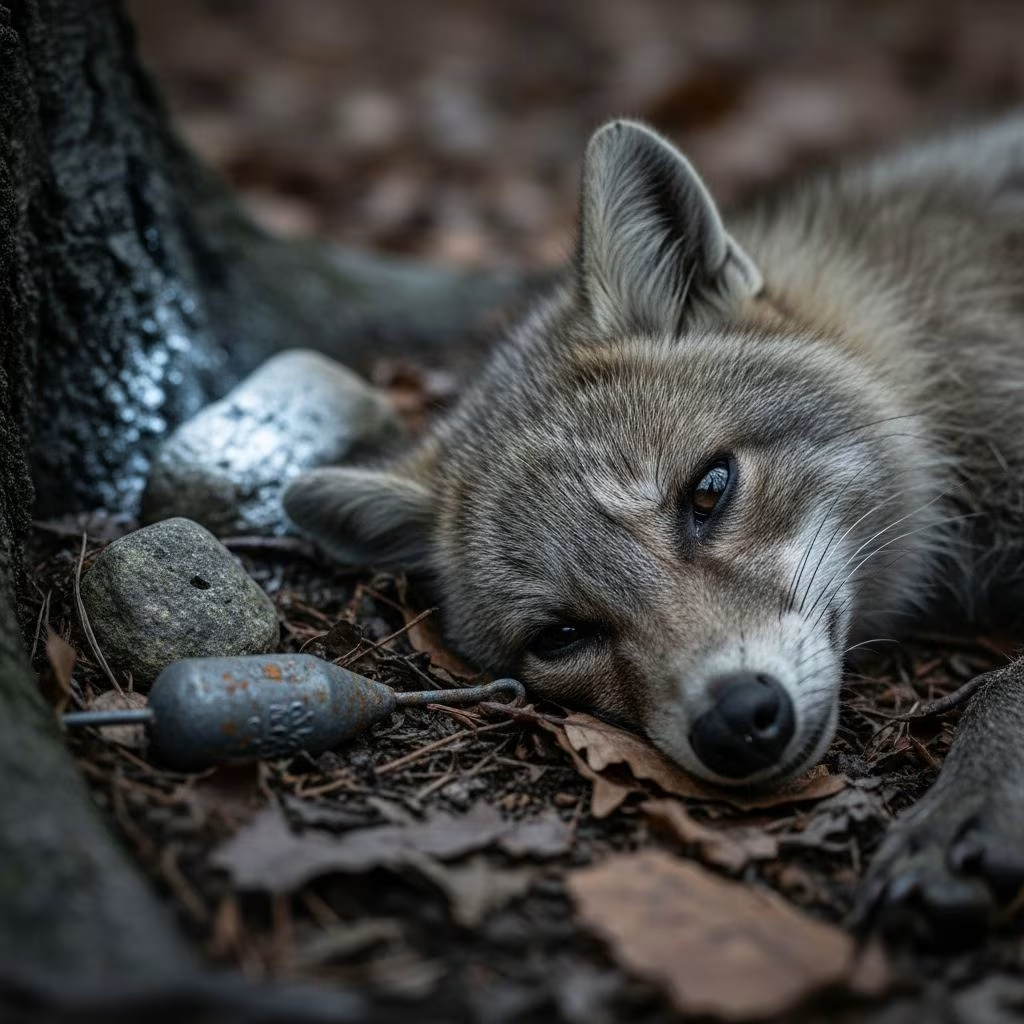
Lead poisoning, or plumbism, represents a significant toxicological hazard for domestic animals, livestock, and wildlife. This heavy metal accumulates in the body, disrupting neurological, hematological, and gastrointestinal functions. Animals encounter lead through ingestion of contaminated materials like paint chips, batteries, or industrial waste, leading to acute or chronic toxicity depending on exposure levels. Early recognition and intervention are critical, as untreated cases can result in permanent organ damage or death across species.
Environmental Sources and Exposure Risks
Animals face lead exposure primarily via oral routes, though inhalation or dermal absorption occurs less frequently. Common sources include old lead-based paints on structures, discarded batteries, fishing weights, and contaminated soil or water near industrial sites. In urban settings, dogs and cats chew on peeling paint or garbage, while livestock graze on fields with lead-laden debris. Wildlife, such as birds and mammals, ingest lead ammunition fragments or sinkers.
- Dogs: Often consume lead objects like weights or paint flakes during exploratory behavior.
- Cats: Grooming exposes them to lead dust; they may chew cables or batteries.
- Livestock (cattle, horses): Access to discarded machinery parts or treated wood.
- Wildlife: Lead bullets in scavenged carcasses pose risks to raptors and scavengers.
Historical use of lead in paints and gasoline has left legacy contamination, though regulations have reduced incidence in recent decades.
Pathophysiology: How Lead Harms the Body
Once ingested, lead dissolves in gastric acid, entering the bloodstream bound to red blood cells. It distributes to soft tissues like the liver, kidneys, and brain, with long-term storage in bones. Lead interferes with calcium-dependent enzymes, inhibits heme synthesis, and generates oxidative stress. Neurological effects stem from disrupted neurotransmitter function, causing excitotoxicity and seizures. In the gut, it impairs motility, leading to stasis.
Chronic low-level exposure causes subtle deficits, such as anemia from basophilic stippling in erythrocytes, while acute high doses trigger rapid onset of severe symptoms.
Clinical Manifestations Across Species
Symptoms vary by species, dose, and exposure duration but share gastrointestinal, neurological, and hematologic patterns.
| Species | Common Signs | Unique Features |
|---|---|---|
| Dogs | Vomiting, diarrhea, seizures, ataxia | Appetite loss, hysterical behavior |
| Cats | Anorexia, tremors, vestibular issues | Head pressing, blindness |
| Cattle/Horses | Colic, aggression, recumbency | Blindness, circling |
| Wildlife (birds) | Weakness, emaciation, paralysis | Gizzard impaction |
In dogs, acute poisoning manifests within hours as abdominal pain and convulsions; cats present with vague signs like lethargy progressing to seizures. Livestock show delayed onset, often after group exposure, with cattle exhibiting pica before neurotoxicity.
Diagnostic Approaches
Diagnosis combines history, clinical signs, and confirmatory tests. Radiographs detect radiopaque lead objects in the GI tract. Blood lead levels above 0.35 ppm confirm toxicity; whole blood analysis is preferred over serum.
- Hematology: Anemia, basophilic stippling, nucleated RBCs.
- Biochemistry: Elevated liver enzymes, azotemia in renal involvement.
- Imaging: Foreign bodies in abdomen.
- Environmental sampling: Soil or paint analysis if multiple cases.
Differential diagnoses include organophosphate toxicity, hypocalcemia, or infectious encephalitis. Prompt testing is essential, as delays worsen outcomes.
Emergency Management and Decontamination
Treatment prioritizes source removal, decontamination, and stabilization. Never induce vomiting at home; seek veterinary care immediately.
- Stabilize: Control seizures with diazepam or phenobarbital; provide IV fluids for hydration.
- Decontaminate: Emesis if recent ingestion (<2 hours), gastric lavage, enemas with magnesium sulfate to precipitate lead sulfate.
- Remove source: Endoscopy or surgery for retained GI lead.
Bathing eliminates dermal contamination. Antiemetics and appetite stimulants support recovery.
Chelation Therapy: Core of Specific Treatment
Chelators bind lead for urinary or fecal excretion. Selection depends on species, renal function, and severity.
| Chelator | Dosage (Dogs/Cats) | Route | Notes |
|---|---|---|---|
| Succimer (DMSA) | 10 mg/kg q8h x5 days, then q12h x2 days | Oral/Rectal | Well-tolerated, effective in cats; monitor for rebound |
| Ca-EDTA | 25-27.5 mg/kg q6-8h x3-5 days | IV/SC in fluids | Nephroprotective with saline; repeat if needed |
| Penicillamine | 10-15 mg/kg q8h x5-10 days | Oral | Less potent; GI upset possible |
Succimer is preferred for its safety margin and oral administration, especially in cats. Chelation reduces blood lead by 50-90% but requires monitoring for rebound 1-2 weeks post-therapy. Supportive care includes B vitamins, iron, and antibiotics for immunosuppression. In dogs, recovery often occurs within 48 hours with prompt care.
Species-Specific Treatment Considerations
Companion Animals (Dogs and Cats)
For dogs, aggressive decontamination yields good prognoses if treated early; seizures portend poorer outcomes. Cats respond well to succimer, with case reports showing full resolution in days. Follow-up blood leads every 1-2 weeks.
Livestock Challenges
Cattle treatment is impractical due to lead persistence (months-years); monitoring and culling exposed animals is common. Valuable horses may receive chelation, but costs limit use.
Wildlife Rehabilitation
Birds benefit from Ca-EDTA and supportive fluids; aspergillosis prophylaxis is key. Release only after normalized blood leads.
Prognosis Factors
Outcomes hinge on dose, treatment speed, and complications. Prompt intervention yields >90% survival in pets; delayed seizures drop it to 50%. Chronic exposure risks permanent neurobehavioral deficits.
Prevention Strategies for Animal Owners
Proactive measures eliminate risks:
- Inspect and renovate old homes with lead-free paint.
- Secure trash, batteries, and weights.
- Fence off contaminated sites for livestock.
- Use lead-free ammunition for hunting.
- Educate on environmental testing.
Incidence has declined with bans, but vigilance remains vital.
Frequently Asked Questions (FAQs)
What are the first signs of lead poisoning in my dog?
Look for vomiting, lethargy, tremors, or sudden seizures. Contact a vet immediately.
Can cats recover from lead toxicity?
Yes, with early succimer therapy, most cats fully recover without sequelae.
Is chelation therapy safe for all animals?
It requires renal monitoring; succimer has a wide safety margin.
How do I prevent lead exposure in livestock?
Remove debris from pastures and test feed/water sources regularly.
Should I report suspected cases?
Yes, vets must notify authorities to trace sources and protect public health.
Long-Term Monitoring and Public Health Implications
Post-treatment, recheck blood leads biweekly until normal. Behavioral assessments detect subtle deficits. Human-animal shared environments necessitate source elimination to prevent cross-species spread. Veterinary reporting aids surveillance.
References
- Lead Poisoning in Dogs – Causes, Treatment and … — Vetster. 2023. https://vetster.com/en/conditions/dog/lead-poisoning
- Lead Poisoning in Dogs — PetMD. 2024. https://www.petmd.com/dog/conditions/digestive/c_dg_lead_poisoning
- Lead toxicosis in cats—a review — PMC – NIH (peer-reviewed). 2024-02-15. https://pmc.ncbi.nlm.nih.gov/articles/PMC10822269/
- Lead Toxicosis — Fenton River Veterinary Hospital. 2022. https://www.fentonrivervet.com/wp-content/uploads/Lead_Toxicosis.pdf
- Lead Toxicity: A Threat to Wildlife — Today’s Veterinary Nurse. 2023. https://todaysveterinarynurse.com/toxicology/lead-toxicity-threat-to-wildlife/
- Lead Poisoning in Beef Cattle — BeefResearch.ca (official ag site). 2024. https://www.beefresearch.ca/topics/lead-poisoning-in-beef-cattle/



