

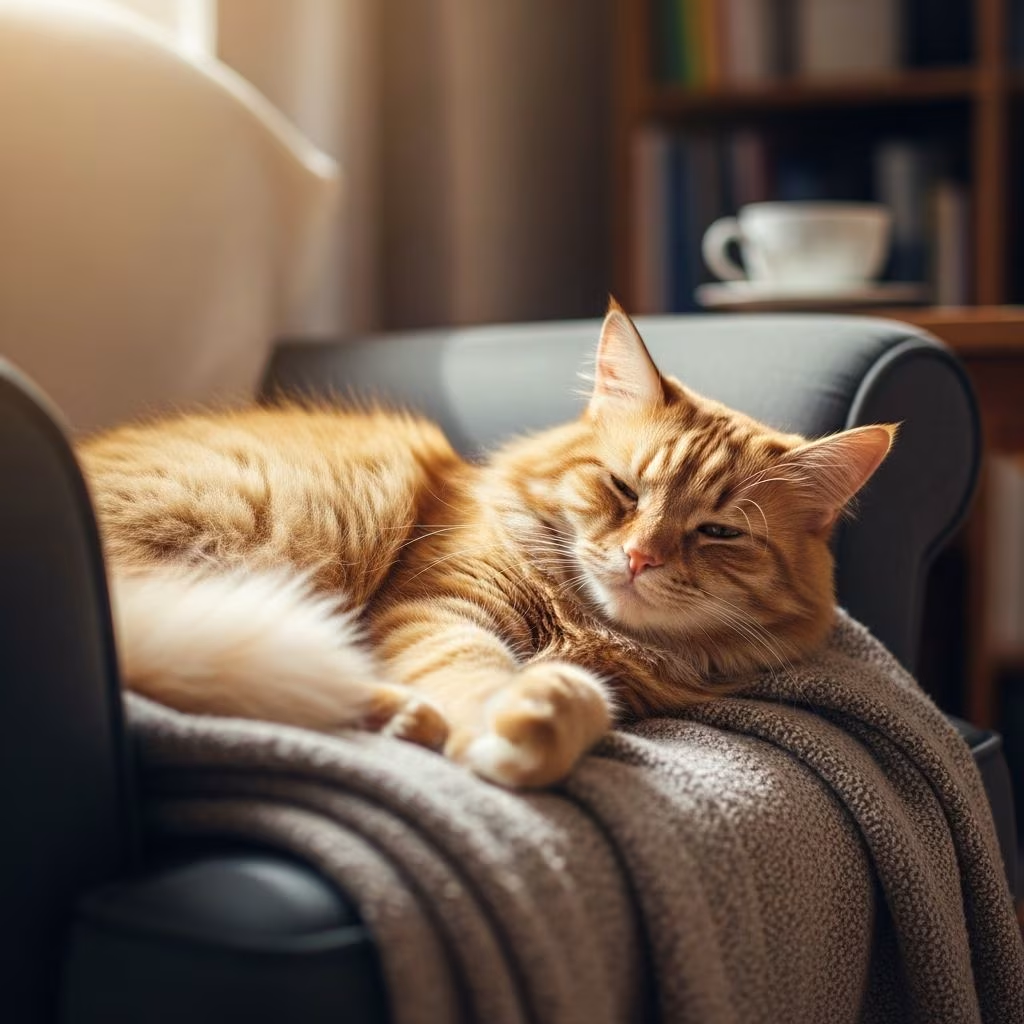
Looking for a feline friend who matches your chill vibe? Lazy cat breeds are the ultimate companions for those who prefer lounging on the couch to chasing laser pointers. These relaxed kitties embody the art of doing nothing, offering affection without demanding constant playtime. Whether you live in a small apartment or just want a low-maintenance pet, these breeds prioritize naps, cuddles, and quiet observation over zoomies. Backed by breed standards from organizations like The International Cat Association (TICA) and Cat Fanciers’ Association (CFA), these cats have temperaments suited for serene lifestyles.
Why Choose a Lazy Cat Breed?
Lazy cat breeds appeal to owners seeking minimal activity demands. Unlike high-energy breeds like Bengals or Abyssinians, these cats sleep 12-16 hours daily, aligning with natural feline sleep patterns documented in veterinary studies. Their calm natures reduce household chaos, making them ideal for apartments, seniors, or busy families. However, ‘lazy’ doesn’t mean unhealthy—gentle encouragement prevents obesity, a common issue in low-activity breeds per VCA Animal Hospitals guidelines. Benefits include:
- Low exercise needs: Short play sessions suffice.
- Adaptable to quiet homes: Thrive without constant stimulation.
- Affectionate yet independent: Cuddle on their terms.
- Longevity: Many live 12-18 years with proper care.
Genetics play a key role; research from the University of Edinburgh shows breed-specific activity levels are heritable, with some breeds exhibiting starkly lower energy. Selecting a lazy breed ensures a harmonious match for relaxed lifestyles.
The Laziest Cat Breeds Ranked
We’ve compiled the top 12 laziest cat breeds based on consistent reports from CFA, TICA, and veterinary sources. Each excels in lounging, with unique traits for every home.
1. Persian
The quintessential lazy cat, Persians are ‘furniture with fur’ due to their serene demeanor. With a long, luxurious coat and flat face, they prefer perching on laps or windowsills over exertion. Quiet and sweet, they adapt to routines but dislike noise or change. Height: 10-15 inches; Weight: 7-12 pounds; Life Expectancy: 8-11 years. Daily grooming combats matting, but their low energy suits all ages.
| Trait | Details |
|---|---|
| Personality | Quiet, sweet, passive |
| Coat Care | High-maintenance brushing |
| Best For | Quiet homes, lap lovers |
2. Himalayan
Persian relatives with pointed coats, Himalayans share the lazy gene pool. Sweet and friendly, they lounge elegantly, moving slowly to preserve energy. Their colorpoint patterns add beauty to their relaxed poses. Height: 10-12 inches; Weight: 9-12 pounds; Life Expectancy: 15-18 years. Like Persians, they need grooming but reward with unwavering loyalty.
3. Ragdoll
Ragdolls live up to their name by going limp when held, epitomizing relaxation. Large and semi-longhaired, they’re laid-back, friendly, and dog-like in affection. They follow owners but nap extensively. Height: 9-11 inches; Weight: 10-20 pounds; Life Expectancy: 12-18 years. Socialization ensures harmony with kids and pets.
4. British Shorthair
Stocky and calm, British Shorthairs monitor from perches like plush sentinels. Independent yet gentle, their dense short coat requires minimal care. Famous for blue-gray hues, they’re ancient Egyptian descendants. Height: 12-14 inches; Weight: 8-16 pounds; Life Expectancy: 12-20 years.
5. Exotic Shorthair
A shorthaired Persian variant, Exotics offer lazy charm without grooming hassles. Sweet, quiet, and loyal, they’re slightly more playful but still lap-focused. Height: 10-12 inches; Weight: 8-15 pounds; Life Expectancy: 12-15 years. Perfect for allergy-prone owners seeking calm.
6. Scottish Fold
With folded ears and adaptable loving nature, Scottish Folds settle into routines happily. They prefer company for naps and get along with all. Short or long coats available. Height: 8-10 inches; Weight: 6-13 pounds; Life Expectancy: 14-16 years. Note: Ethical breeding avoids health issues like osteodystrophy.
7. Birman
‘Velcro cats’ with blue eyes and silky coats, Birmans bond deeply yet nap constantly. Quiet and loyal, they mature slowly over three years. Height: 8-10 inches; Weight: 12 pounds; Life Expectancy: 9-15 years. Ideal constant companions.
8. Selkirk Rex
Curly-coated patient souls, Selkirks tolerate all with minimal demands. Playful moments aside, they prioritize relaxation. Height: 9-11 inches; Weight: 6-16 pounds; Life Expectancy: 14-15 years. Unique curls set them apart.
9. American Shorthair
Friendly and even-tempered, these all-purpose cats lounge with family, including kids and dogs. Watch weight due to low activity. Height: 8-12 inches; Weight: 8-15 pounds; Life Expectancy: 12-20 years.
10. Russian Blue
Sleek and silent, Russian Blues watch from afar, mellowing with age. Low-energy nap experts. Height: 9-11 inches; Weight: 7-12 pounds; Life Expectancy: 15-20 years.
11. Maine Coon
Giant gentle giants with sociable, relaxed vibes despite size. They adapt lazily to homes. Height: 10-16 inches; Weight: 10-25 pounds; Life Expectancy: 12-15 years.
12. Siberian
Forest cats with plush coats and easygoing patience, Siberians lounge luxuriously. Hypoallergenic bonus. Height: 10-12 inches; Weight: 10-20 pounds; Life Expectancy: 12-18 years.
Caring for Lazy Cat Breeds
Low energy requires proactive care to maintain health. Key tips:
- Exercise: Interactive toys, 10-15 min daily play prevents obesity.
- Diet: Measured portions; consult vets for breed-specific needs.
- Grooming: Persians/Himalayans need daily brushing; others weekly.
- Health: Screen for brachycephalic issues (Persians/Exotics) or folds (Scottish Folds). Annual vet checks essential.
- Environment: Cat trees, sunny spots, quiet routines enhance happiness.
Obesity risks are high; a study by the Journal of Feline Medicine and Surgery notes sedentary breeds face diabetes and arthritis if unmanaged. Enrich with puzzle feeders for mental stimulation.
Pros and Cons of Lazy Cats
| Pros | Cons |
|---|---|
| Low maintenance energy-wise | Obesity risk |
| Affectionate companions | Grooming for longhairs |
| Apartment-friendly | |
| Good with families | Less playful for active kids |
Frequently Asked Questions (FAQs)
Are lazy cat breeds good for apartments?
Yes, their low activity suits small spaces perfectly.
Do lazy cats need less food?
No, monitor calories to avoid weight gain.
Can lazy breeds be trained?
They respond to gentle, positive methods but lack motivation for tricks.
Are they kid-friendly?
Most are, with supervision due to patient natures.
How much do they sleep?
14-18 hours daily, more than average.
References
- The 8 Laziest Cat Breeds Who Are Totally Happy to Chill All Day Long — PureWow. 2023-05-15. https://www.purewow.com/family/laziest-cat-breeds
- Lazy Cats: Why They Lounge, Which Breeds Do It Best — WoPet. 2024-02-10. https://wopet.com/cats/lazy-cats/
- Lazy Cat Breeds To Lie Around With — Litter-Robot. 2024-08-20. https://www.litter-robot.com/blog/9-lazy-cat-breeds/
- 10 Lazy Cat Breeds — Chewy. 2023-11-05. https://www.chewy.com/education/cat/general/behavior-breeds-10-docile-cat-breeds
- The 11 Least Active Cat Breeds — Rover. 2024-01-12. https://www.rover.com/blog/least-active-cat-breeds/



