

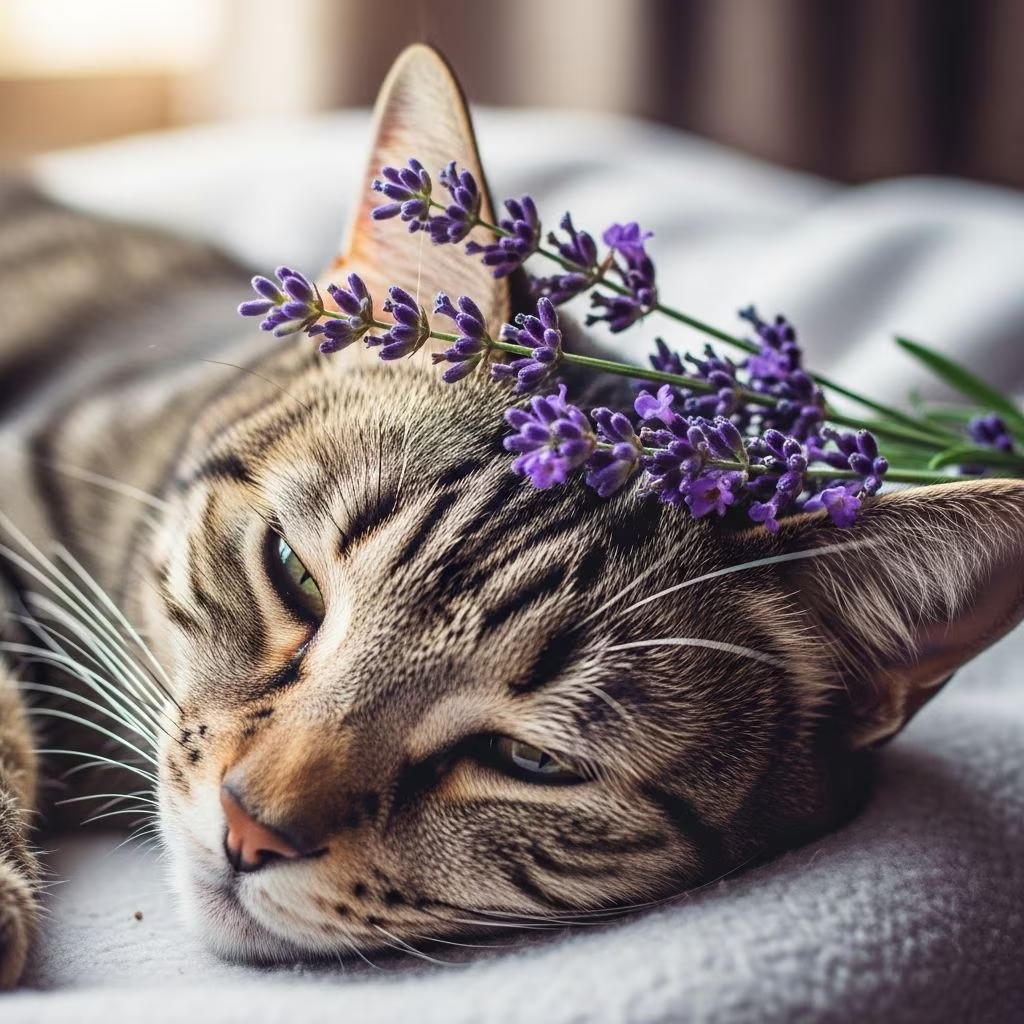
Fleas pose a significant threat to cats, causing discomfort, itching, and potential health issues like anemia or infections. Many pet owners turn to natural remedies like lavender oil, drawn by its pleasant scent and reputed insect-repelling qualities. However, lavender oil primarily repels fleas rather than killing them outright, and its use on cats carries notable risks due to their unique metabolism.
Understanding Flea Challenges in Cats
Cats are particularly vulnerable to flea infestations because these parasites thrive in warm environments and complete their life cycle quickly—eggs hatch in 1-12 days, larvae develop over 5-20 days, and pupae can emerge as adults within two weeks. A single female flea lays up to 50 eggs daily, leading to rapid population growth. Symptoms include excessive scratching, hair loss, red skin, and flea dirt (black specks that turn red when wet). Beyond irritation, fleas transmit tapeworms and bacteria like Bartonella, which causes cat scratch disease.
Traditional chemical treatments like spot-on applicators (e.g., fipronil or imidacloprid) target all life stages effectively, but some owners seek gentler options. This is where essential oils enter the conversation, with lavender often highlighted for its antimicrobial compounds like linalool and camphor, which disrupt flea sensory receptors.
How Lavender Oil Interacts with Fleas
Lavender essential oil emits a strong floral aroma that fleas detest, interfering with their ability to locate hosts. Compounds such as linalool act as natural insecticides by overwhelming flea nervous systems, prompting them to flee treated areas. Studies and anecdotal reports confirm its repellent action, making it useful for environmental sprays on bedding or carpets rather than direct cat application.
Yet, efficacy is limited: lavender repels adult fleas but fails against eggs, larvae, or pupae. For heavy infestations, it won’t eradicate the problem alone. Regular reapplication is needed as oils evaporate quickly, and results vary by concentration and flea exposure.
| Aspect | Lavender Oil Effect | Limitations |
|---|---|---|
| Kills Adults | Minimal | Repels only |
| Targets Eggs/Larvae | No | Ineffective |
| Duration | Short (hours-days) | Requires frequent use |
| Safety on Cats | Risky undiluted | Toxicity potential |
Risks of Essential Oils for Feline Friends
Cats lack certain liver enzymes (glucuronyl transferase) to metabolize phenols, terpenes, and other compounds in essential oils, leading to buildup and toxicity. Lavender, while milder than tea tree or eucalyptus, can cause drooling, tremors, low body temperature, or respiratory distress if ingested or absorbed through skin. Kittens, seniors, and cats with liver issues face higher dangers.
- Symptoms of Toxicity: Vomiting, lethargy, difficulty breathing, seizures—seek immediate vet care if observed.
- Ingestion Risk: Cats groom excessively, lapping up oils from fur.
- Skin Sensitivity: Even diluted applications may irritate, causing rashes or burns.
Veterinary consensus urges avoiding direct application. Instead, diffuse in well-ventilated areas away from pets or use in household sprays.
Safe Application Guidelines If Attempting Use
Consult a veterinarian first, especially for multi-cat homes or pregnant felines. If approved, extreme dilution is key: mix 1-2 drops of pure lavender oil in 1 cup (240ml) carrier like fractionated coconut oil or water with emulsifier (e.g., witch hazel). Test on a small fur patch for 24 hours.
DIY Recipes for Environment Only
- Bedding Spray: 3 drops lavender + 1 cup distilled water + 1 tsp castile soap. Shake, mist fabrics, dry thoroughly before cat access.
- Collar Diffuser: Dilute 1 drop in 1 tbsp jojoba oil on a cotton ball inside a breakaway collar pendant—never direct on skin.
- Flea Comb Dip: 1 drop in 2 cups warm water; dip comb, run through fur without saturating.
Monitor closely post-application. Wash off with mild shampoo if reactions occur.
Superior Alternatives to Essential Oils
Vet-formulated products outperform oils by disrupting flea life cycles comprehensively. Options include:
- Topical Spot-Ons: Applied monthly to skin, killing fleas within hours and preventing reinfestation for 30 days.
- Oral Preventatives: Tablets like nitenpyram kill adults fast; spinosad targets larvae.
- Collars: Seresto provides 8 months protection via sustained release.
- Natural Vet Products: Diatomaceous earth (food-grade) dehydrates fleas on bedding; nematodes eat larvae in yards.
Compare in this table:
| Treatment | Efficacy | Safety | Convenience |
|---|---|---|---|
| Lavender Oil | Repel only | High risk | Frequent |
| Spot-On (e.g., Frontline) | Full cycle | Vet-approved | Monthly |
| Combing + Clean | Supportive | Safe | Daily |
Holistic Flea Management Strategy
Integrated pest management (IPM) combines methods for 95%+ success:
- Daily Combing: Use a fine-tooth flea comb dipped in soapy water to remove adults.
- Environmental Control: Vacuum daily (dispose bags), wash bedding in hot water weekly, steam carpets.
- Yard Treatment: Mow grass short, apply beneficial nematodes or cedar chips.
- Multi-Pet Sync: Treat all animals and visitors’ pets.
- Monitoring: Check flea dirt weekly.
This approach reduces reliance on any single method, minimizing resistance.
Common Myths Debunked
- Myth: Oils are always safer than chemicals. False—many cause toxicity; vet products undergo rigorous testing.
- Myth: Lavender kills all fleas instantly. No, it’s repellent at best; no oil handles full lifecycle.
- Myth: Dilution makes it harmless. Even diluted, risks persist for sensitive cats.
Frequently Asked Questions
Is lavender oil toxic to cats?
Potentially yes, especially undiluted or ingested. Symptoms include ataxia and hypothermia; avoid direct use.
Can I diffuse lavender around my cat?
In moderation, with good ventilation and short sessions. Watch for signs of distress.
What if my cat has fleas now?
Prioritize vet-recommended killers over repellents. Comb and clean environment simultaneously.
Are there cat-safe essential oil products?
Some diluted sprays like Wondercide are formulated for safety, but confirm with vet.
How long until fleas are gone with treatment?
With proper IPM, 2-4 weeks; adults die fast, but eggs hatch over time.
Conclusion: Prioritize Safety and Efficacy
While lavender oil offers mild repellent benefits, it doesn’t kill fleas on cats and poses toxicity risks. Opt for proven, vet-endorsed treatments alongside thorough cleaning for lasting relief. Healthy cats deserve protection without gambles.
References
- Essential Oils for Cat Fleas and How To Use Them — Aromachology Oils. 2023. https://aromachologyoils.com/blogs/news/essential-oils-for-cat-fleas-and-how-to-use-them
- Essential Oils for Fleas on Cats: Safe Usage vs Risk — FurLife (Sandra Tashkovska). 2025-08-04. https://getfurlife.com/blogs/news/essential-oils-for-fleas-on-cats
- Can You Use Essential Oils on Cats for Fleas and Ticks? — PetMD. 2024. https://www.petmd.com/cat/can-you-use-essential-oils-cats-fleas-and-ticks
- Myth Busting: Can Essential Oils Kill Fleas? — Native Pest Management. 2024-09. https://www.nativepestmanagement.com/blog/2024/september/myth-busting-can-essential-oils-kill-fleas-/
- What Essential Oil Repels Fleas? — Rocky Mountain Oils. 2024. https://www.rockymountainoils.com/blogs/essential-oil-basics/what-essential-oil-repels-fleas
- Can You Use Essential Oils for Fleas? — Chewy. 2024. https://www.chewy.com/education/dog/flea-and-tick/can-you-use-essential-oils-for-fleas



