

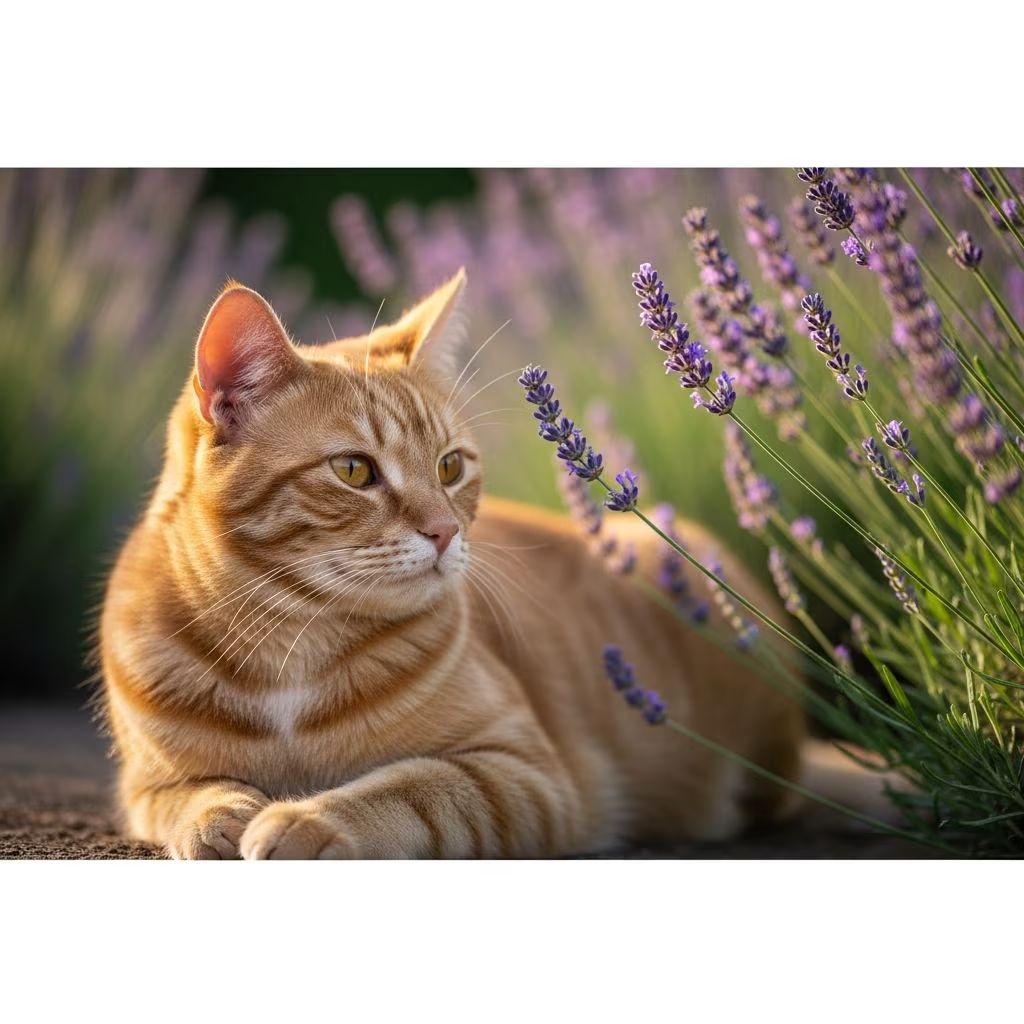
Lavender has become a staple in modern households, gracing shelves as essential oils, dried arrangements, and aromatic diffusers. While humans have enjoyed its calming properties for centuries, the situation is quite different for our feline companions. Cat owners frequently ask whether they can safely incorporate lavender into their homes without endangering their pets. The answer requires a nuanced understanding of how cats metabolize certain plant compounds and the varying risks associated with different lavender forms.
The Biochemical Challenge: Why Cats Struggle With Lavender
Lavender contains two primary compounds that pose challenges for feline physiology: linalool and linalyl acetate. While these aromatic substances provide therapeutic benefits to humans during aromatherapy sessions, they create a metabolic problem unique to cats. The feline liver lacks certain enzymatic pathways necessary to efficiently break down and eliminate these compounds from the body. This metabolic limitation means that when cats encounter lavender, particularly in concentrated forms, the compounds can accumulate in their system, potentially reaching toxic levels.
This enzymatic deficiency is not a moral failing of cats but rather a reflection of their evolutionary biology as obligate carnivores. Cats evolved to process proteins and fats efficiently, not aromatic plant alkaloids. Their liver composition differs fundamentally from herbivores or even omnivores like humans, which explains why certain substances harmless to us become problematic for them.
Distinguishing Between Lavender Forms and Their Toxicity Levels
Not all lavender exposures carry equal risk. The concentration and form of lavender determine the severity of potential harm to cats.
Essential Oils: The Primary Concern
Essential oils represent the most concentrated form of lavender and pose the greatest threat to feline health. These oils contain dramatically higher concentrations of linalool and linalyl acetate compared to their original plant material. Even passive inhalation from a diffuser can trigger toxic reactions in sensitive cats. A single drop of undiluted lavender essential oil contains a potency level far exceeding what would occur from exposure to dried plant material.
The mechanism of toxicity with essential oils involves both direct ingestion and inhalation. When a cat breathes in vapors from a diffuser, the compounds enter through respiratory tissues and are absorbed directly into the bloodstream. This bypasses the digestive system entirely, potentially allowing for rapid absorption and toxic accumulation.
Dried and Fresh Lavender: Lower but Present Risk
Dried lavender contains naturally occurring levels of these problematic compounds in their original plant form. While significantly less concentrated than essential oils, dried lavender still presents a risk if consumed in substantial quantities. Fresh lavender poses similar concerns, though cats are typically less attracted to fresh plant material than dried versions.
The dosage principle becomes crucial when discussing dried lavender. A trace amount in a commercial cat product formulated with safety margins differs dramatically from a cat consuming an entire dried lavender sachet. Products containing less than 2% dried lavender by volume, such as certain premium catnip blends, may pose minimal risk when used as directed.
Recognizing Toxicity Symptoms in Your Cat
Understanding the warning signs of lavender toxicity enables rapid veterinary intervention. Symptoms can develop gradually or appear suddenly, depending on exposure amount and cat sensitivity.
Gastrointestinal Manifestations
The digestive system often shows the first signs of distress. Vomiting and diarrhea frequently occur after lavender ingestion. These symptoms may appear within hours of exposure or develop more gradually. Some cats experience loss of appetite alongside these digestive issues, leading to reduced caloric intake and potential weight loss if exposure continues.
Neurological and Behavioral Changes
More concerning are neurological manifestations, which indicate systemic toxicity affecting the nervous system. Affected cats may display depression, disorientation, or excessive and compulsive licking behaviors. Some owners report personality changes, with their normally playful cats becoming withdrawn and lethargic. Tremors and muscle weakness represent more severe presentations requiring emergency care.
Respiratory and Physical Distress
Severe cases can involve respiratory compromise. Difficulty breathing, drooling, and muscle tremors indicate significant toxin accumulation. Lethargy and weakness make affected cats reluctant to move or engage with their environment. These symptoms warrant immediate veterinary attention, as respiratory distress can progress rapidly to life-threatening levels.
Comparative Risk Assessment: Context Matters
| Lavender Form | Concentration Level | Risk Category | Primary Exposure Route |
|---|---|---|---|
| Essential Oil (Undiluted) | Extremely High | Critical | Inhalation, Ingestion |
| Essential Oil Diffuser | Very High | High | Inhalation |
| Dried Lavender Sachet | Moderate | Medium | Ingestion |
| Fresh Lavender Plant | Low to Moderate | Medium | Ingestion |
| Trace Lavender (<2% formulated product) | Very Low | Low | Ingestion |
Strategic Prevention: Creating a Safe Environment
Protecting your cat from lavender exposure requires deliberate environmental management and informed product choices.
Essential Oil and Product Storage
All lavender essential oils and concentrated lavender products must be stored in locations completely inaccessible to cats. This includes high shelves in locked cabinets or rooms the cat cannot enter. Essential oils should never be left on countertops, nightstands, or any location where curious cats might investigate.
Diffuser Alternatives
If you enjoy lavender aromatherapy, consider using it exclusively in rooms where your cat cannot access, with doors firmly closed. Alternatively, choose pet-safe aromatherapy options specifically formulated without toxic compounds for feline household members. Many companies now produce cat-safe herbal blends designed without linalool-containing plants.
Plant Management
If you grow lavender at home, position plants in areas genuinely inaccessible to your cat, such as elevated shelving on a secure porch or greenhouse. Monitor your cat’s behavior for any signs of interest in these plants, and never leave dried lavender arrangements within reach on tables or shelves.
Product Selection Vigilance
Examine labels on all cat treats, toys, and bedding products. Choose items that either avoid lavender entirely or contain only trace amounts of dried lavender formulated with safety margins. Reputable manufacturers disclose ingredient percentages and specifically design products for feline safety.
The Dosage Principle in Pet Safety
An important concept in toxicology applies to lavender: the dose determines toxicity. Water itself becomes toxic in excessive quantities, yet we safely give it to our cats daily. Similarly, catnip is technically listed as potentially toxic because excessive amounts can cause vomiting and diarrhea, yet catnip is widely recognized as beneficial when used appropriately.
This principle explains why commercial products containing minimal dried lavender (less than 2% by volume) may be considered safe. A pinch of lavender scattered throughout an entire treat batch creates exposure levels dramatically different from a cat consuming concentrated lavender material. However, individual cat sensitivity varies, and some cats may react negatively even to trace amounts.
Individual Variation and Cat-Specific Factors
Not all cats respond identically to lavender exposure. Several factors influence individual susceptibility:
- Age and developmental stage: Kittens and elderly cats may be more vulnerable due to less developed or declining liver function
- Pre-existing health conditions: Cats with liver disease, kidney dysfunction, or metabolic disorders face increased risk
- Genetic sensitivity: Some cat lineages may have heightened sensitivity to plant compounds
- Prior exposure history: Repeated exposure creates cumulative effects over time
- Concurrent medications: Certain medications may interact with lavender compounds or stress the liver further
These variations mean that even if one cat tolerates a product without issue, introducing it to a different cat requires cautious observation and veterinary consultation.
Introducing New Products: A Cautious Approach
When considering any new product containing lavender or unfamiliar ingredients, implement a gradual introduction protocol. Start with minimal amounts and observe your cat closely for 24-48 hours, watching for any behavioral changes, digestive upset, or physical symptoms. Many cats tolerate new ingredients perfectly, but early detection of problems allows for immediate discontinuation and veterinary care.
Never assume that because a product is marketed as pet-safe, it poses no individual risk to your specific cat. Veterinary guidance tailored to your cat’s health profile provides the most reliable safety assessment.
Frequently Asked Questions About Lavender and Cats
Can I use lavender-scented candles around my cat?
Lavender-scented candles pose a risk through inhalation of vapors. While less concentrated than essential oil diffusers, they still release compounds into the air that cats breathe. It’s safer to burn these only in rooms where your cat cannot access.
What should I do if my cat ingests lavender?
Contact your veterinarian immediately, especially if your cat ingested essential oil or large amounts of dried lavender. Provide information about the exact form consumed and approximate quantity. Do not wait to see if symptoms develop; prompt veterinary assessment is crucial.
Are some cat breeds more susceptible to lavender toxicity?
While breed-specific susceptibilities haven’t been definitively established, individual variation exists among all cats. Factors like overall health status likely matter more than breed designation.
Can lavender actually benefit my cat?
Some pet product manufacturers suggest that minimal dried lavender may help with relaxation and anxiety in cats, similar to benefits humans experience. However, safer alternatives exist for anxiety management, and any lavender use should only occur under veterinary supervision with professional endorsement for your specific cat.
When Professional Guidance Becomes Essential
Your veterinarian represents the most valuable resource for decisions about lavender and other potentially problematic substances in your home. Schedule a consultation before introducing any lavender product, particularly if your cat has existing health concerns, takes medications, or has demonstrated sensitivity to other plants or compounds.
During the visit, discuss your cat’s age, weight, medical history, and daily environment. Your veterinarian can provide personalized recommendations based on your cat’s specific health profile and lifestyle, offering guidance impossible to give in general articles.
Creating a Comprehensively Safe Home
Protecting your cat from lavender toxicity represents one component of broader home safety. Evaluate your entire environment for other potentially toxic plants, essential oils, household chemicals, and foods. Creating a cat-safe space involves systematic assessment and deliberate choices that prioritize feline wellbeing.
Lavender’s benefits for human wellness are undeniable, but these advantages don’t extend to our feline family members. By understanding the specific risks lavender poses, recognizing warning symptoms, implementing prevention strategies, and consulting with veterinary professionals, cat owners can enjoy their homes safely while protecting their beloved companions from preventable harm.
References
- Is Lavender Safe for Cats? — Harlingen Veterinary Clinic. 2024. https://harlingenveterinaryclinic.com/blog/is-lavender-safe-for-cats/
- Is Lavender Really Toxic to Cats? The Truth About Our Lavender Infused Blends — SmarterPaw. 2024. https://smarterpaw.com/blogs/news/is-lavender-really-toxic-to-cats-the-truth-about-our-lavender-infused-blends
- Is Lavender Safe for Cats? That’s a Hard No — HowStuffWorks. 2024. https://animals.howstuffworks.com/pets/is-lavender-safe-for-cats.htm
- Understanding Lavender Safety for Your Furry Friends: Essential Guide for Pet Owners — Lavender Life. 2024. https://lavender-life.com/blogs/news/understanding-lavender-safety-for-your-furry-friends-essential-guide-for-pet-owners



