

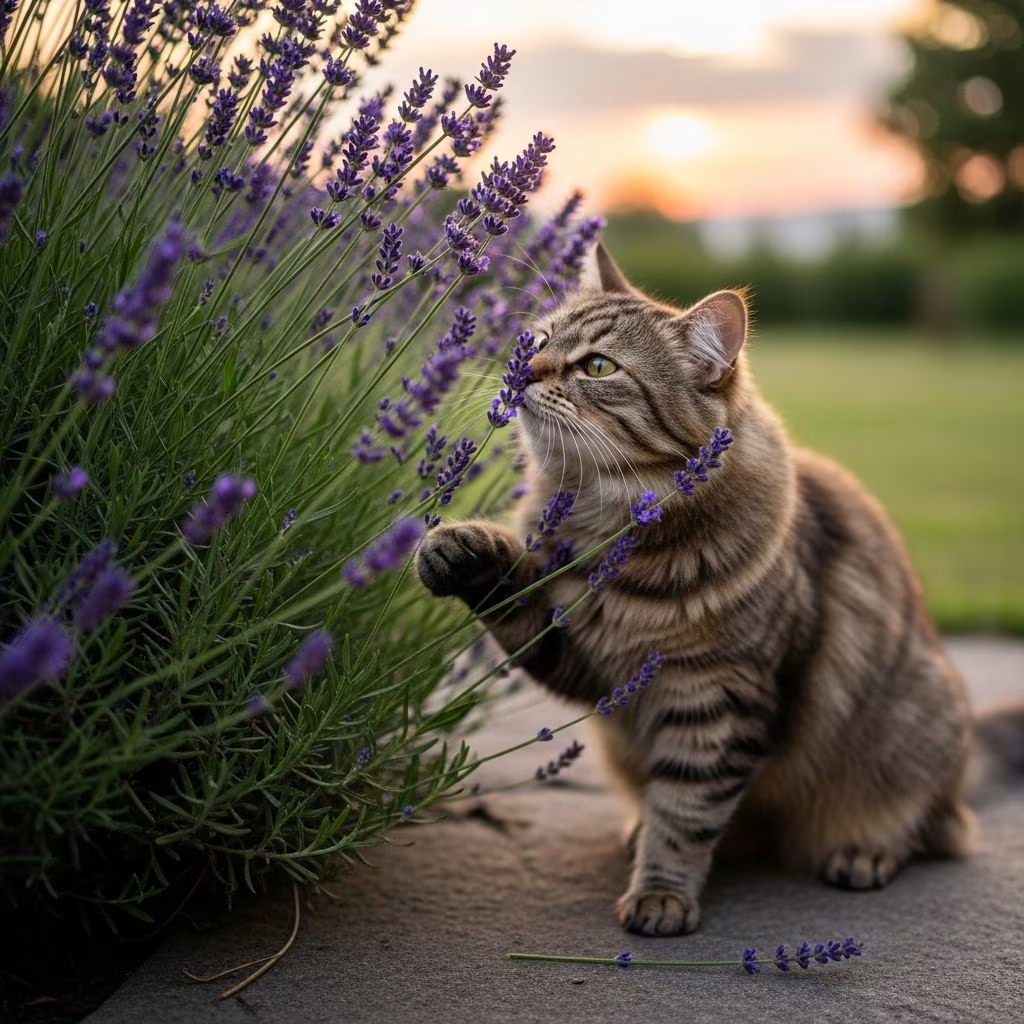
Feline owners frequently seek natural remedies to soothe their pets’ stress, and lavender often emerges as a popular choice due to its renowned relaxing aroma for humans. However, the interaction between lavender and cats raises critical safety concerns, primarily because of the plant’s chemical compounds that cats metabolize poorly.
The Chemical Makeup of Lavender and Feline Vulnerability
Lavender derives its signature scent from compounds like **linalool** and **linalyl acetate**, which provide aromatic and purported therapeutic qualities. Cats possess unique liver enzymes that struggle to break down these substances effectively, leading to potential toxin accumulation even from minimal exposure. This metabolic difference makes felines particularly susceptible compared to humans or dogs.
Understanding this biochemistry is essential for pet owners. The ASPCA classifies lavender as toxic to cats upon ingestion, with risks escalating in concentrated forms such as essential oils. Fresh plants pose milder threats but still warrant caution, as curious cats may nibble on leaves or flowers.
Forms of Lavender Exposure in Households
Lavender appears in various household products, amplifying exposure opportunities for indoor cats. Here’s a breakdown of common sources:
- Live Plants: Garden or potted lavender attracts cats with its texture and scent, prompting chewing that introduces toxins directly into the digestive system.
- Essential Oils: Diffusers, topical applications, or cleaning sprays release potent vapors that cats inhale or absorb through grooming after contact.
- Dried Bouquets or Sachets: These seem harmless but can be ingested during play or nest-building behaviors.
- Personal Care Items: Lotions, shampoos, or candles scented with lavender transfer residues via owner-pet interaction.
Essential oils represent the highest danger due to their concentration—far exceeding that of the raw plant—potentially causing rapid onset of adverse effects through skin, inhalation, or ingestion.
Recognizing Signs of Lavender Toxicity
Early detection can prevent severe outcomes. Symptoms vary by exposure level and form but often manifest within hours:
| Symptom Category | Common Signs | Severity Level |
|---|---|---|
| Gastrointestinal | Vomiting, diarrhea, drooling | Mild to Moderate |
| Neurological | Lethargy, disorientation, tremors | Moderate to Severe |
| Respiratory | Difficulty breathing, coughing | Severe |
| Other | Excessive licking, depression | Mild |
These reactions stem from the cats’ inability to efficiently process phenols and terpenes in lavender, leading to cellular damage. In extreme cases, untreated exposure may result in liver strain or seizures.
Debating Lavender’s Calming Potential for Cats
Some anecdotal reports and promotional materials suggest lavender’s scent could ease feline anxiety, akin to its human benefits by influencing the amygdala—the brain’s emotion center. Proponents argue diluted diffusion creates a tranquil environment without direct contact.
Yet, authoritative veterinary sources counter this, emphasizing risks over unproven rewards. The ASPCA and clinics like Harlingen Veterinary advise against any lavender use around cats, citing insufficient evidence of safety and ample documentation of harm. Conflicting views arise from non-peer-reviewed blogs versus clinical observations, with the latter holding greater weight due to direct case experience.
Safe Alternatives for Calming Anxious Cats
Foregoing lavender doesn’t mean abandoning natural stress relief. Consider these vet-approved options:
- Pheromone Diffusers: Synthetic feline pheromones mimic calming scents from nursing mothers, clinically shown to reduce anxiety without toxicity risks.
- Herbal Supplements: Chamomile or valerian root in cat-formulated products, dosed per veterinary guidance.
- Environmental Enrichment: Scratching posts, window perches, and interactive toys address root causes of stress like boredom.
- Behavioral Therapies: Desensitization training for triggers such as fireworks or travel.
Always consult a veterinarian before introducing new aids, ensuring compatibility with your cat’s health profile.
Practical Prevention Strategies
Proactive measures safeguard cats effortlessly:
- Elevate plants beyond jumping reach or opt for cat-grass alternatives.
- Store oils and products in sealed, high cabinets.
- Use pet-safe air fresheners in isolated rooms.
- Supervise during visits to lavender-heavy gardens.
- Routinely check fur for residue after owner applications.
These habits minimize accidental encounters while preserving lavender enjoyment for humans.
Veterinary Response to Suspected Exposure
If symptoms appear, immediate action is crucial. Contact a vet or pet poison hotline promptly. Treatments may include:
- Activated charcoal to bind toxins.
- IV fluids for hydration and flushing.
- Anti-nausea medications.
- Monitoring for organ function in hospital settings.
Prognosis improves with swift intervention, often resolving mild cases at home post-guidance.
Scientific Insights into Essential Oils and Cats
Research underscores broader essential oil perils for cats. Their grooming habit amplifies ingestion risks, as oils on fur transfer internally. Studies on mice indicate lavender’s protective effects against certain toxins, but these don’t translate to feline safety due to metabolic disparities. Peer-reviewed caution prevails over extrapolated benefits.
Institutions like the American College of Healthcare Sciences highlight cats’ exceptional sensitivity, advising extreme care or avoidance.
FAQs on Lavender and Feline Health
Q: Can I diffuse lavender oil if my cat stays in another room?
A: No, airborne particles can still circulate, posing inhalation or settling risks.
Q: Is dried lavender safer than fresh?
A: Slightly, but ingestion remains hazardous; keep inaccessible.
Q: What if my cat shows no immediate symptoms?
A: Cumulative exposure can harm over time; monitor closely and eliminate sources.
Q: Are there lavender-free calming collars for cats?
A: Yes, pheromone-based collars offer proven, safe anxiety relief.
Q: How do I clean lavender residue from my cat’s fur?
A: Use mild pet shampoo and lukewarm water; seek vet advice if symptoms persist.
Long-Term Household Harmony
Balancing human preferences with pet safety fosters a nurturing home. Educating on lavender’s pitfalls empowers owners to choose wisely, prioritizing feline vitality. By integrating verified alternatives, cats thrive stress-free alongside aromatic indulgences.
This comprehensive guide equips you to navigate lavender’s allure versus its feline threats, promoting informed decisions for healthier companionships.
References
- Is Lavender Toxic to Cats? — Gardenia.net/ASPCA. 2023. https://www.gardenia.net/guide/is-lavender-safe-for-cats
- Is Lavender Safe for Cats? — Harlingen Veterinary Clinic. 2023. https://harlingenveterinaryclinic.com/blog/is-lavender-safe-for-cats/
- Calming Essential Oils for Cats — Franklin TN Vet. 2023. https://franklintnvet.com/calming-essential-oils-for-cats/
- Hepatoprotective and Renoprotective Effects of Lavender Essential Oil — PubMed/NCBI. 2015-04-01. https://pubmed.ncbi.nlm.nih.gov/25835641/
- Essential Oils For Pets — American College of Healthcare Sciences. 2023. https://achs.edu/blog/essential-oils-for-pets/



