

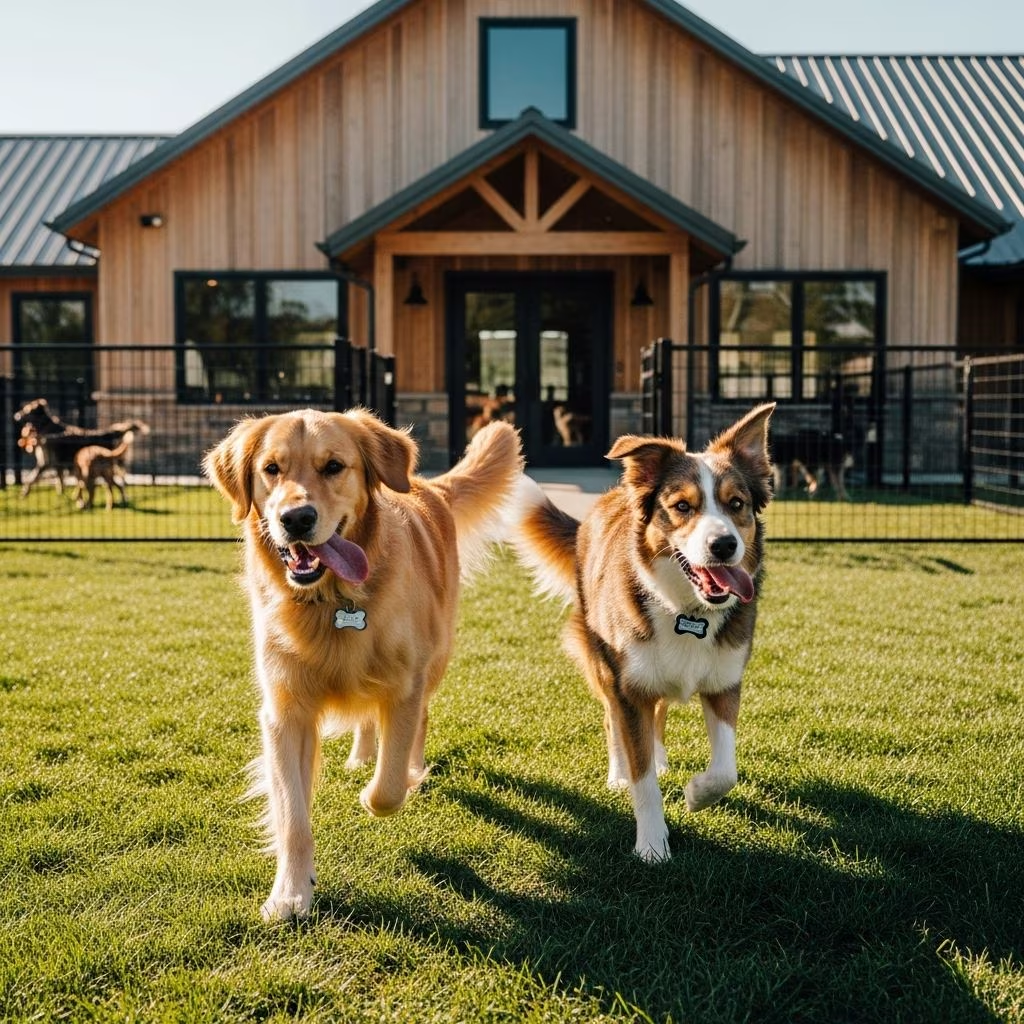
Entering the dog boarding industry offers a rewarding opportunity to combine passion for animals with entrepreneurial drive. With rising pet ownership and travel demands, demand for reliable overnight care remains strong. This guide outlines a complete roadmap, drawing from industry best practices to help you establish a safe, profitable facility.
Assessing Market Potential and Opportunities
Success begins with thorough market evaluation. Identify local demand by surveying pet owners at parks, vets, or online communities. Key questions include preferred services like overnight stays, daycare, or specialized care for seniors or high-energy breeds. Analyze competitors within a 15-20 mile radius using mapping tools and review sites to note their offerings, pricing, strengths, and gaps such as limited exercise areas or poor communication.
Target demographics often encompass working professionals, frequent travelers, and families needing short- or long-term solutions. Tools like free online surveys can gather insights from at least 20-30 potential clients on expectations for cleanliness, playtime, and updates. This data shapes your unique value proposition, such as webcam access or breed-specific programs.
- Conduct surveys on service preferences and pain points.
- Map competitors’ locations, rates, and review themes.
- Estimate market size based on local pet populations and travel trends.
Crafting a Robust Business Blueprint
A detailed business plan serves as your foundation, projecting operations, finances, and growth. Include an executive summary, company background, market and competitor analysis, service descriptions, marketing strategies, organizational structure, and financial forecasts. Outline startup costs like facility setup (75-100 sq ft per dog), equipment, and initial marketing, alongside revenue streams from base rates and add-ons.
Financial sections should detail break-even analysis, six-month working capital needs, and funding sources. Use spreadsheets to track categories: rent/utilities, insurance, payroll, supplies, and advertising. This document aids in securing loans via services like SBA Lender Match and guides daily decisions.
| Business Plan Section | Key Elements |
|---|---|
| Market Analysis | Demand data, target customers, competitor gaps |
| Services | Boarding tiers, add-ons like grooming/training |
| Financials | Startup costs, projections, funding plan |
| Operations | Staffing, daily schedules, safety protocols |
Navigating Legal and Regulatory Requirements
Compliance is non-negotiable for legitimacy and safety. Select a structure like LLC for liability protection, register with state authorities, and obtain an EIN from the IRS for taxes. Secure local business licenses, zoning approvals for animal facilities, and health permits. Most regions mandate vaccinations, behavior assessments, and facility inspections.
Insurance coverage must include general liability, property, and commercial auto if transporting dogs. Draft contracts covering intake forms, waivers, late fees, and emergency protocols. Consult zoning maps for commercial animal zones and negotiate leases permitting pet activities to prevent disputes.
- Apply for EIN and business registration.
- Purchase liability and property insurance.
- Develop client agreements and health policies.
Selecting and Equipping Your Facility
Location dictates viability: prioritize accessibility, zoning compliance, and space for indoor/outdoor play (minimum 75 sq ft per dog). Design layouts with secure kennels, meal prep areas, bathing stations, and expansion room. Indoor spaces need climate control, non-slip flooring, and ample ventilation; outdoor runs require fencing and shade.
Essential equipment includes crates, beds, bowls, leashes, cleaning supplies, and toys. Invest in durable, easy-clean items. For luxury appeal, add webcams, premium bedding, or agility equipment. Budget for initial setup: $10,000-$50,000 depending on scale.
Building a Reliable Team
Staffing ensures quality care during peak times. Hire pet enthusiasts with experience; require background checks and certifications like PACCC or pet first aid. Define roles: caretakers for feeding/exercise, managers for admin/communication. Start with 1-2 employees per 10 dogs, training on health protocols, behavior management, and emergency response.
Set schedules for shifts covering 24/7 supervision. Foster retention through fair wages, training opportunities, and a positive culture. Track metrics like client retention and review scores to refine operations.
Developing Services and Pricing Models
Core offerings: overnight boarding with daily exercise, feeding per owner instructions, and updates. Add-ons boost revenue: grooming, training sessions, medication admin, or webcam views. Research local rates ($30-60/night base) and set tiers—standard, premium, luxury.
Packages for repeats or long stays, seasonal adjustments for holidays. Calculate break-even: fixed costs (rent/insurance) divided by contribution margin. Aim for 85% occupancy before expanding.
| Service Tier | Features | Sample Rate (per night) |
|---|---|---|
| Standard | Basic kennel, 2x exercise | $35 |
| Premium | Private suite, 3x play, webcam | $50 |
| Luxury | En-suite, grooming, training | $70 |
Marketing and Client Acquisition Tactics
Visibility drives bookings. Claim Google Business Profile with photos, hours, and services. Partner with vets, groomers for referrals. Leverage social media with stay highlights, testimonials, and promos like 50% off first night. Email newsletters for updates and specials.
Website with booking system, policies, and virtual tours builds trust. SEO for “dog boarding [city]” terms. Track ROI on ads and aim for 20-30% repeat clients via loyalty programs.
- Optimize online profiles and build website.
- Launch referral partnerships.
- Run targeted social campaigns.
Operational Excellence and Daily Protocols
Smooth operations prioritize safety. Intake: verify vaccines, assess behavior, sign waivers. Daily: structured meals, potty breaks, group play (supervised), cleaning. Handle issues with isolation for illness/aggression. Communicate via apps for photos/updates.
Use software for scheduling, billing, records. Maintain hygiene with disinfectants, waste management. Prepare emergency kits and vet partnerships.
Financial Management for Sustainability
Monitor cash flow with monthly budgets covering payroll (30-40% revenue), supplies, marketing. Project 6-12 months to profitability. Reinvest in certifications, expansions. Use accounting tools for taxes, invoicing.
Scaling and Long-Term Growth
Once stable at 85% occupancy, expand services (daycare, grooming), locations, or franchises. Certify staff, gather reviews, innovate like subscription models. Track KPIs: occupancy, retention, revenue per dog.
Frequently Asked Questions
What startup costs should I expect?
Typically $20,000-$100,000 for facility, equipment, licenses, and marketing, varying by scale and location.
Do I need prior experience?
Helpful but not required; certifications and training build credibility.
How many dogs can I board legally?
Depends on local zoning; start small (4-10) and scale with permits.
What insurance is essential?
General liability ($1M+), property, and care/custody/control coverage.
How to handle difficult dogs?
Behavior assessments at intake; refuse aggressive cases or use isolation protocols.
References
- IRS: Apply for an Employer Identification Number (EIN) Online — Internal Revenue Service. 2025-01-15. https://www.irs.gov/businesses/small-businesses-self-employed/apply-for-an-employer-identification-number-ein-online
- SBA Lender Match — U.S. Small Business Administration. 2025-12-01. https://www.sba.gov/funding-programs/loans/lender-match
- Pet Care Services Industry Profile — U.S. Bureau of Labor Statistics. 2025-03-20. https://www.bls.gov/iag/tgs/iag812.htm
- Zoning Requirements for Animal Businesses — American Kennel Club Resources. 2024-11-10. https://www.akc.org/expert-advice/lifestyle/starting-a-kennel-business/
- Pet Industry Market Size & Trends — American Pet Products Association. 2025-01-01. https://www.americanpetproducts.org/press_industrytrends.asp
- Business Structures Overview — U.S. Small Business Administration. 2025-02-05. https://www.sba.gov/business-guide/launch-your-business/choose-business-structure



