

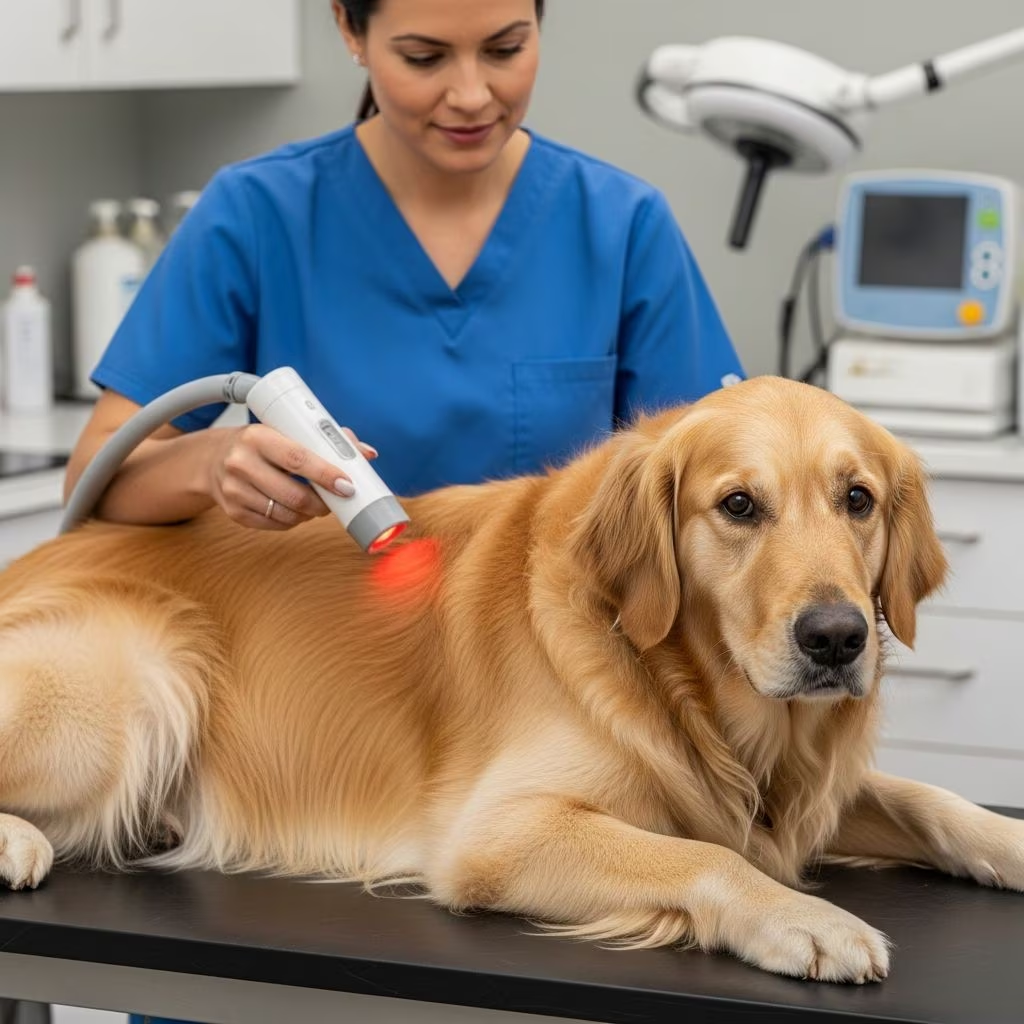
What is Laser Therapy for Dogs?
Laser therapy for dogs, also known as photobiomodulation, is a non-invasive treatment that uses specific wavelengths of light to penetrate tissues and promote cellular regeneration and healing. The laser light stimulates the production of ATP (adenosine triphosphate), which enhances cell repair and growth, reduces inflammation, and increases blood circulation to affected areas.
This complementary or alternative treatment option has become increasingly popular for managing chronic pain, inflammation, and wound healing in dogs. Unlike traditional pharmaceutical interventions, laser therapy works by harnessing the body’s natural healing mechanisms without requiring injections, surgery, or systemic medications.
How Does Laser Therapy Work?
Laser therapy functions by delivering concentrated light energy to damaged tissues. When the light penetrates the skin and underlying structures, it stimulates mitochondrial function and accelerates cellular metabolism. This process increases blood flow to the treated area and activates the body’s lymphatic drainage system.
One of the key mechanisms of action involves endorphin release. The light waves trigger the body’s natural pain-relieving chemicals, which helps reduce pain levels naturally without pharmaceutical intervention. This biological response makes laser therapy particularly valuable for dogs experiencing chronic discomfort or acute injuries.
Conditions Laser Therapy Can Treat
Laser therapy has been successfully used to address a wide range of canine health conditions. The following are conditions that veterinarians commonly treat with this therapy:
- Anterior cruciate ligament tears
- Arthritis or joint inflammation
- Osteoarthritis
- Intervertebral disc disease
- Bladder infections
- Chronic cystitis
- Dermatological conditions, such as skin allergies
- Disc injuries, including blown discs and chronic back pain
- Neck issues, especially in brachycephalic dogs like Pugs and French Bulldogs
- Chronic ear inflammation
- Acute injuries, such as fractures
- Post-operative pain
- Incision healing following spay or neuter procedures
- Lick granuloma
- Cellulitis
- Wound healing complications
Key Benefits of Laser Therapy for Dogs
Laser therapy offers numerous advantages for dogs suffering from pain or recovering from injury or surgery:
- Pain Relief: By reducing inflammation and stimulating endorphin production, laser therapy provides effective pain relief without the need for additional medication
- Reduced Medication Dependency: Dogs in significant pain often require multiple medications, which can strain aging organs like the kidneys and liver. Laser therapy can decrease pain and reduce the number of medications needed, giving these vital organs a chance to recover
- Accelerated Healing: The therapy stimulates cell regeneration and increases blood circulation, speeding up the healing process after surgery or injury
- Improved Mobility: As pain and inflammation decrease, dogs often experience improved mobility and quality of life
- Non-Invasive Treatment: Laser therapy is a gentle, non-invasive treatment that doesn’t require sedation or medication
- Nerve Regeneration: The treatment promotes nerve regeneration and the release of painful trigger points
Is Laser Therapy Safe for Dogs?
Yes, laser therapy is considered safe and effective across the veterinary industry. When administered correctly by a qualified veterinarian, this treatment has an excellent safety profile with minimal risks or side effects for most dogs.
The safety of laser therapy is remarkable compared to many pharmaceutical alternatives. In fact, veterinarians don’t even need to wear goggles during treatment administration — that’s how safe it is. When applied correctly by a veterinary professional, side effects are rare and may only include temporary redness, mild swelling, or discomfort at the treatment site.
Potential Risks and Side Effects
While laser therapy is generally very safe, there are specific situations where risks exist or where the treatment is contraindicated. Understanding these risks helps pet owners make informed decisions in consultation with their veterinarian.
Eye Damage
The most significant concern with laser therapy involves potential retinal damage. Direct exposure to the lasers can damage the retina and, in severe cases, cause vision loss in dogs. Protective goggles are essential during treatment, even though practitioners are careful not to aim the lasers at the eye. The main risks of laser therapy involve retinal damage and thermal burns when improperly applied.
Thermal Burns and Tissue Damage
Burns or tissue damage can rarely occur when laser therapy is improperly used. This typically happens secondary to inappropriate use of the laser device, such as using too high a setting or not moving the laser properly. Class 4 lasers have been associated with an increased risk of thermal tissue damage when used inappropriately or with excessive dosage. To minimize this risk, only Class 3 lasers should be used for therapeutic treatments, and veterinarians should be certified in laser therapy if surgical procedures are necessary.
Temporary Discomfort
Some dogs may experience short-term reactions such as temporary discomfort or soreness at the treatment site. If this occurs, a veterinarian can adjust the treatment protocol to reduce the intensity or duration of the laser therapy session.
Important Contraindications and When to Avoid Laser Therapy
Laser therapy is not appropriate for all dogs. Because therapeutic laser alters and accelerates cellular function, it can be problematic in certain situations:
Cancer and Tumors
Dogs with known or suspected cancer should not receive laser treatments because inadvertent stimulation with laser energy could result in cancer spreading or returning. Applying laser treatment to tumors could speed up cellular metabolism and the rate at which canine cancer develops. However, in special circumstances such as end-of-life care, laser therapy may be a viable pain relief option if it’s understood that it may increase the risk of cancer returning or spreading.
Pregnancy
Pregnant pets should not receive laser therapy over their bellies to avoid harming their offspring. Risks include deformities or even miscarriage, and due to these risks, there are limited studies on the safety of laser therapy in pregnant animals.
Growth Plates in Puppies
If therapeutic laser is applied to a puppy’s growth plates, it can cause those cells to stop growing. The rest of the puppy’s growth plates will remain open and continue to grow normally while the lasered growth plate closes prematurely, causing permanent skeletal deformity.
Thyroid Gland
Laser therapy should not be applied over the thyroid gland, as this could cause an over-production of hormones.
When Laser Therapy May Be Especially Beneficial
Laser therapy is particularly worth considering in specific scenarios where conventional treatments may not be suitable:
- Dogs with kidney failure who aren’t candidates for conventional pain management treatments such as NSAIDs (non-steroidal anti-inflammatory drugs)
- Dogs with sensitivities or allergies to pain medications
- Senior dogs experiencing declining organ function who would benefit from reduced medication burden
- Dogs recovering from surgery or acute injuries
- Dogs with chronic conditions requiring long-term pain management
Effectiveness and Results
Many pets experience reduced pain, improved mobility, and faster healing through laser therapy. However, results can vary by condition and individual animal. Pets that receive laser therapy on a regular basis will benefit more than pets that only get laser therapy occasionally.
The combined evidence from human and animal studies and use in clinical settings suggests that laser therapy for dogs is a promising treatment option for several conditions. Given that it’s pain-free and has little chance of side effects, it’s often worth trying alongside other conventional treatments.
Considerations and Limitations
While laser therapy offers significant benefits, pet owners should understand both its advantages and limitations:
| Advantages | Limitations |
|---|---|
| Non-invasive and painless | Not a universal solution for all conditions |
| No injections or surgery needed | Multiple sessions usually required for best results |
| Speeds up healing and promotes tissue repair | Cost of repeated sessions can become expensive |
| Reduces reliance on medications | Contraindications exist for certain conditions |
| Minimal side effects when performed correctly | Requires a trained and certified veterinary professional |
| No interaction with other treatments | Requires ongoing evaluation by a veterinarian |
Finding a Qualified Practitioner
A suitably qualified practitioner should always administer treatment under the direction and ongoing evaluation of a veterinarian. This is especially important given that solid knowledge of canine anatomy is required to target the right areas of the body. When seeking laser therapy for your dog, ensure that:
- The veterinarian is certified in laser therapy
- They use Class 3 lasers for therapeutic treatments
- They conduct a thorough veterinary exam before beginning treatment
- They can explain the specific benefits and risks for your dog’s condition
- They provide protective measures during treatment
Frequently Asked Questions
Q: Does laser therapy really work for dogs?
Yes, many pets experience reduced pain, improved mobility, and faster healing through laser therapy. However, results can vary depending on the specific condition and the individual animal. It is often most effective when combined with other conventional treatments.
Q: Are there any side effects from laser therapy?
When administered correctly by a qualified veterinarian, side effects are rare. Some dogs may experience temporary discomfort, redness, or mild swelling at the treatment site, but these typically resolve quickly. The only side effect of laser therapy is often that your dog will have a stronger, happier body.
Q: Can laser therapy cause cancer in dogs?
No, laser therapy does not cause cancer. However, it should be avoided in dogs with known or suspected cancer, as it could potentially accelerate cellular metabolism and affect existing tumors. In end-of-life situations with cancer patients, it may be used for pain relief with informed understanding of potential risks.
Q: How many laser therapy sessions will my dog need?
The number of sessions required varies depending on your dog’s condition and severity of symptoms. Most dogs benefit from a series of treatments rather than a single session. Your veterinarian will recommend a treatment protocol tailored to your dog’s specific needs.
Q: Is laser therapy safe for puppies?
Laser therapy should be avoided on growth plates in puppies, as it can cause those cells to stop growing and result in permanent skeletal deformities. Once growth plates have closed, laser therapy is generally safe for adult dogs.
Q: Can laser therapy be combined with other treatments?
Yes, laser therapy does not interact with other treatments and can be used alongside conventional therapies, medications, and rehabilitation exercises. This complementary approach often provides the best outcomes for dogs with chronic conditions.
Q: What conditions qualify for laser therapy treatment?
Laser therapy can treat a wide range of conditions including arthritis, ligament tears, post-operative pain, wound healing, chronic ear inflammation, back pain, and many other painful or inflammatory conditions. Your veterinarian can determine if laser therapy is appropriate for your dog’s specific condition.
References
- Understanding Laser Therapy for Dogs: Benefits and Breakdown — Cobblestone Veterinary. https://www.cobblestone.vet/services/dogs/laser-therapy-dogs
- Dog Laser Therapy — Baker Ranch Animal Hospital. https://www.bakerranchanimalhospital.com/services/dogs/laser-therapy-dogs
- Laser Therapy For Dogs: Uses, Side Effects, and Alternatives — American Kennel Club. https://www.akc.org/expert-advice/health/laser-therapy-in-dogs/
- Could Your Pet Benefit from Laser Therapy? — Veterinary Medical and Rehabilitation Center. https://vetmedirc.com/could-your-pet-benefit-from-laser-therapy/
- Laser Therapy For Dogs — LOVE Animal Hospital and Urgent Care. https://love.vet/laser-therapy-for-dogs/
- The Low Down on Laser Therapy — Canine Rehabilitation. https://www.caninerehaboc.com/post/low-down-on-laser
- Cases Where Laser Therapy Is Not Recommended for Pets — Beach Avenue Animal Hospital. https://beachavenueanimalhospital.ca/cases-when-laser-therapy-not-recommended-pets/
- Photomedicine in Veterinary Patients — Merck Veterinary Manual. https://www.merckvetmanual.com/therapeutics/integrative-complementary-and-alternative-veterinary-medicine/photomedicine-in-veterinary-patients



