

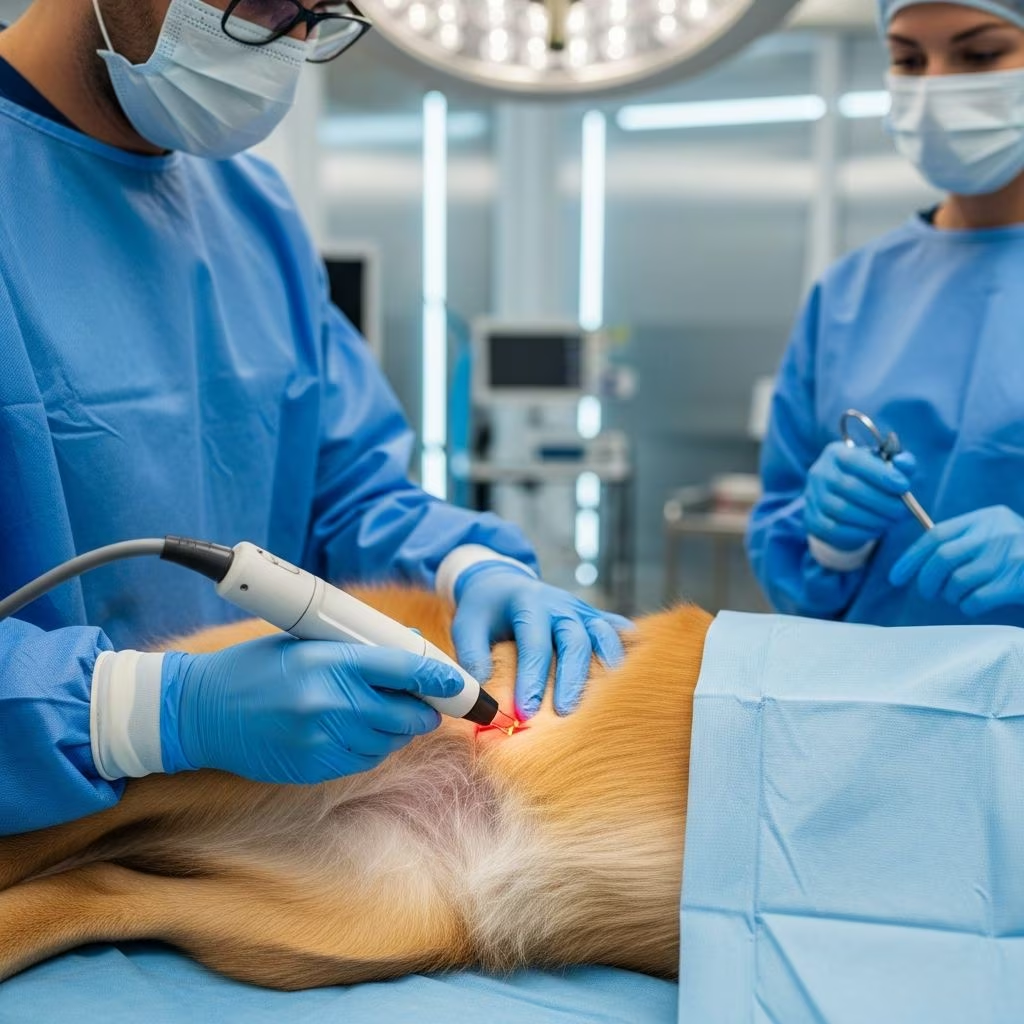
Laser sterilization represents an advanced veterinary technique for spaying female dogs and neutering males, utilizing precise laser beams to minimize tissue damage, bleeding, and recovery time compared to conventional scalpel methods.
Why Consider Sterilization for Your Dog?
Sterilizing dogs through spaying or neutering prevents unwanted litters, curbs certain health risks, and modifies behaviors associated with reproductive hormones. For females, spaying removes the ovaries and uterus, eliminating heat cycles that bring bloody discharge, restlessness, and attraction from other dogs every six months for 2-4 weeks. Early spaying before the first heat significantly lowers chances of mammary tumors and uterine infections.
Male neutering eliminates testicles, reducing roaming, aggression, marking, and risks like prostate issues. These procedures promote longer, healthier lives when timed appropriately.
How Laser Technology Enhances Sterilization Procedures
Laser surgery employs a focused beam that cuts tissue while simultaneously sealing blood vessels through cauterization. This precision reduces intraoperative bleeding, enhances visibility for veterinarians, and limits trauma to surrounding areas.
- Minimal Swelling: The heat from the laser sterilizes the incision site, destroying bacteria and curbing inflammation.
- Less Pain: Smaller wounds and nerve preservation mean reduced postoperative discomfort, often requiring fewer pain medications.
- Faster Recovery: Dogs typically resume normal activities sooner, sometimes within days rather than weeks.
- Lower Infection Risk: Sealed tissues and sterile conditions decrease complication chances.
These advantages make laser options appealing for puppies, small breeds, or pets with sensitivities.
The Laser Spaying Process for Female Dogs
Preparation mirrors traditional surgery: fasting 12 hours prior, health evaluations, and anesthesia planning. Owners adjust medications and ensure calm transport.
Under general anesthesia, the vet makes a small abdominal incision below the navel using the laser. It targets ovaries and uterus for removal, cauterizing as it goes to control bleeding. The site closes with absorbable sutures or glue. The entire process often takes less time due to precision.
| Aspect | Laser Spay | Traditional Spay |
|---|---|---|
| Bleeding Control | Automatic cauterization | Manual ligation |
| Pain Post-Op | Decreased | Higher initially |
| Recovery Time | 3-7 days | 10-14 days |
| Infection Risk | Lower | Standard |
Laser Neutering for Male Dogs
Laser neutering is feasible in equipped clinics, removing testicles via a scrotal incision. The laser’s accuracy minimizes swelling and pain, aiding quick healing. Benefits include less postoperative discomfort and faster return to play, ideal for active dogs.
Not all facilities offer this; availability depends on laser equipment investment.
Preparing Your Dog for Laser Sterilization
Consult your vet for pre-op bloodwork to check organ function, especially in older dogs. Withhold food and water as instructed to prevent anesthesia risks. Trim fur if needed, but vets handle sterility.
- Discuss age: Puppies around 6-9 months ideal, but adults benefit too.
- Review breed-specific risks, like brachycephalic breathing issues.
- Plan for a cone or e-collar to prevent licking.
Post-Operative Care and Recovery Expectations
Home care focuses on rest: confine to crate or small room for 7-10 days, leash-walk only. Monitor for redness, discharge, or lethargy; contact vet if feverish.
Administer prescribed pain relief and antibiotics. Feed small, bland meals initially. Stitches dissolve or remove in 10-14 days. Laser patients often eat and move sooner with minimal issues.
Full activity resumes in 2 weeks; delay baths 10 days.
Potential Drawbacks and Cost Considerations
Laser procedures cost more—often 20-50% higher due to equipment— but some see value in reduced meds and vet visits.
Risks persist: anesthesia complications, rare hemorrhage (skill mitigates), or delayed healing. Lasers don’t eliminate all bleeding types.
Traditional methods are cheaper, widely available, and effective when performed expertly.
When to Choose Laser Over Traditional Methods
Opt for laser if your dog is high-energy, prone to infections, or you prioritize comfort. Clinics with experienced laser vets yield best results. Always weigh costs against benefits.
Frequently Asked Questions (FAQs)
Is laser spaying safer than traditional?
Laser reduces certain risks like infection and pain but shares anesthesia concerns. Safety hinges on vet expertise.
How long does recovery take with laser neutering?
Most males recover in 3-7 days, faster than scalpel methods.
Can all dogs undergo laser sterilization?
Generally yes, but consult for obese, geriatric, or ill dogs.
Does laser sterilization affect dog growth?
No evidence suggests differences from traditional; timing impacts growth more.
Where can I find laser services?
Advanced clinics like those with CO2 lasers; inquire locally.
Long-Term Health Impacts of Sterilization
Beyond procedure type, sterilization lowers mammary/uterine cancers in females (near 100% prevention if pre-first heat) and prostate diseases in males. Monitor for obesity or incontinence post-op via diet/exercise.
Behavioral shifts: calmer demeanor, less marking. Spaying stops heats permanently.
Advances in Veterinary Laser Technology
CO2 lasers dominate for soft tissue, offering micron precision. Ongoing research refines wavelengths for even less thermal spread. Combined with therapy lasers, post-op healing accelerates further, though distinct from surgical lasers.
Adoption grows as costs drop and training expands.
References
- Laser Surgery for Spaying and Neutering Faster Recovery — Johnstown Veterinary Associates. 2024. https://www.johnstownveterinary.com/blog/1365404-laser-surgery-for-spaying-and-neutering-faster-recovery
- Laser Spay or Traditional Spay – Which is better? — Ambassador Pet. 2024-05-15. https://www.ambassadorpet.com/site/blog/2024/05/15/laser-traditional-spay
- Traditional Vs. Laser Spays for Cats & Dogs — Westminster Animal Hospital. 2024-06-15. https://www.wahpr.com/site/blog/2024/06/15/traditional-laser-spay-cat-dog
- Spay – Laser vs Traditional, Which is better? — Pets on Broadway. 2024-05-31. https://www.petsonbroadway.net/site/blog/2024/05/31/laser-traditional-spay
- Laser Spay vs. Traditional Spaying — SCAC Veterinary Street. 2022-08-26. https://www.scacvetstreet.com/site/blog/2022/08/26/laser-spay–traditional-spaying
- Laser Spay or Traditional Spay – Which is better? — Hope Crossing. 2024-03-15. https://www.hopecrossing.com/site/blog/2024/03/15/laser-traditional-spay
- Laser Spay vs. Traditional: Which One Should I Choose for My Pet? — Pekin Veterinary Clinic. 2021-08-16. https://www.pekinveterinaryclinic.com/site/blog/2021/08/16/laser-traditional-spay



