

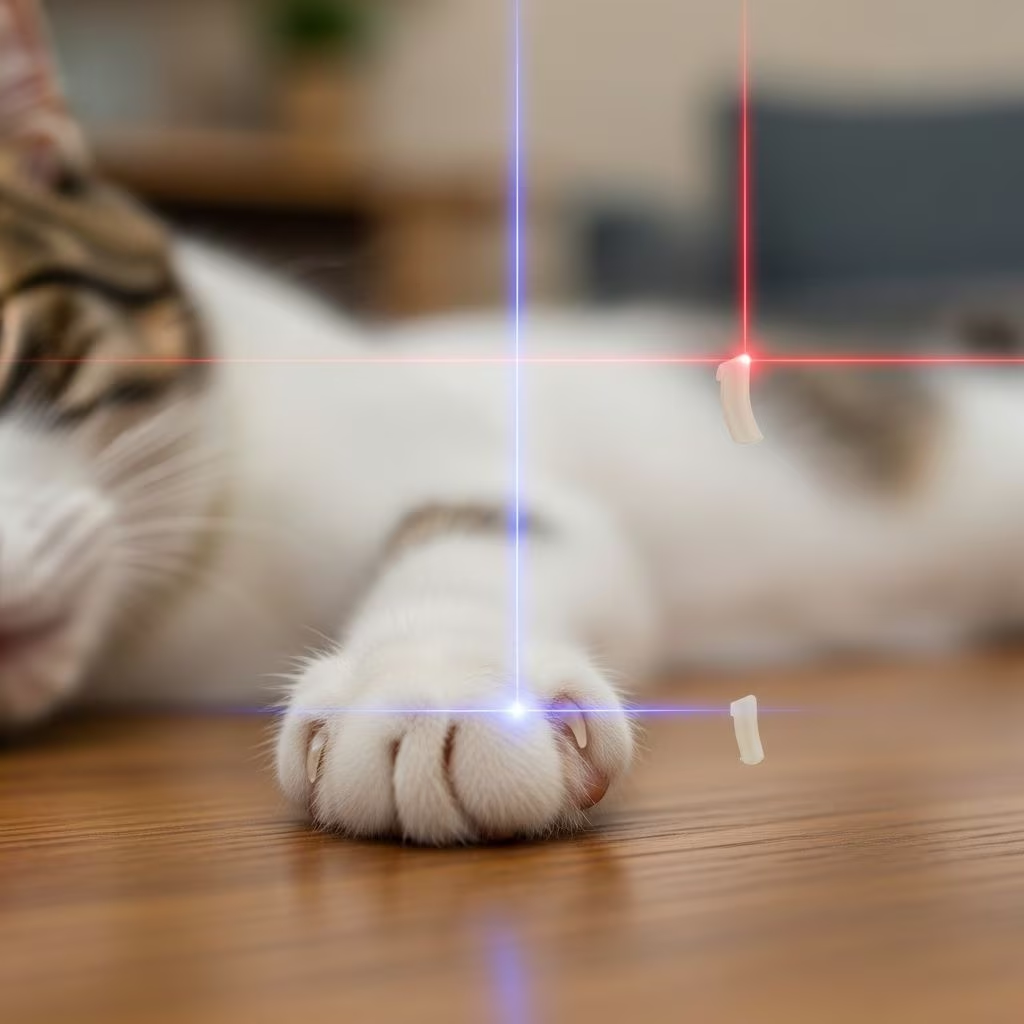
Laser declawing involves using a specialized CO2 laser to precisely remove the last bone of a cat’s toes, eliminating claws permanently. While promoted for minimal bleeding and faster initial recovery, major veterinary organizations like the American Veterinary Medical Association (AVMA) and American Association of Feline Practitioners (AAFP) oppose the procedure due to its inherent pain and ethical concerns.
Understanding the Laser Declawing Process
The technique targets the distal phalanx, the bone connected to the claw, using a medical-grade laser that vaporizes tissue with heat. This method seals blood vessels as it cuts, theoretically reducing hemorrhage compared to scalpel or guillotine approaches. Performed under general anesthesia, it requires pre-surgical exams, pain management, and post-operative care.
Unlike traditional methods that sever joints with blades or clippers, the laser aims for precision, but all forms of declawing—known medically as onychectomy—amputate functional anatomy essential for a cat’s balance, climbing, and defense.
Potential Advantages of Laser Declawing
Advocates highlight several short-term benefits, primarily benefiting owners facing furniture damage or safety issues:
- Minimal Bleeding: The laser cauterizes vessels instantly, often eliminating the need for sutures and reducing immediate post-op hemorrhage.
- Reduced Initial Pain: Studies note less discomfort in the first 1-2 days versus scalpel methods, as nerve endings are sealed.
- Lower Complication Rates: Slightly fewer instances of litter box avoidance or infection in early recovery phases.
- Precision Cutting: Cleaner incisions may promote quicker tissue healing superficially.
These perks can foster better human-cat bonds in households with vulnerable members, like children or immunocompromised individuals, by preventing scratches.
Significant Health Risks and Complications
Despite marketing, laser declawing carries substantial downsides. Research indicates pain equivalence after 6 days across methods, with up to 50% of cats facing short-term issues and 10% experiencing long-term problems.
Immediate Post-Surgical Challenges
| Complication | Description | Frequency |
|---|---|---|
| Pain and Lameness | Reluctance to walk, limping lasting 1-2 weeks despite analgesics | High (up to 50%) |
| Bleeding | Excessive or prolonged, needing intervention | Moderate |
| Infection | Bacterial entry at surgical sites | Common |
| Anesthesia Risks | Reactions or extended exposure time | Variable |
Cats often avoid using paws fully, impacting mobility and appetite.
Long-Term Consequences
- Claw Regrowth: Deformed nails from incomplete removal cause ongoing pain.
- Chronic Pain: Neuropathic issues in paws, legs, or back due to biomechanical shifts.
- Behavioral Shifts: Litter avoidance, aggression, or self-mutilation like hair pulling.
- Musculoskeletal Problems: Altered gait leading to arthritis or spinal strain.
- Urinary Issues: Idiopathic cystitis from stress.
Declawed cats show higher rates of barbering and back pain, underscoring lifelong welfare impacts.
Ethical and Legal Perspectives
Declawing is banned in many regions, including parts of the EU, UK, and U.S. cities like New York and Los Angeles, viewed as mutilation stripping natural defenses. The AVMA classifies it as a last resort, not routine, emphasizing owner education on alternatives. Ethically, it removes a vital sensory tool, akin to human finger amputation.
Cost Analysis: Laser vs. Traditional Methods
| Method | Average Cost (USD) | Key Factors |
|---|---|---|
| Laser | $800-$1,800 | Higher due to equipment, longer anesthesia |
| Scalpel/Clipper | $400-$1,000 | Quicker, but more bleeding management |
| Alternatives (Annual) | $50-$200 | Nail trims, posts, caps |
Laser’s premium pricing doesn’t guarantee superior outcomes long-term.
Humane Alternatives to Declawing
Non-surgical strategies effectively curb scratching while preserving cat health:
- Regular Nail Trims: Weekly clipping of sharp tips using cat-specific clippers.
- Scratching Posts: Provide sisal, cardboard, or carpet varieties in multiple locations; attract with catnip.
- Nail Caps: Soft vinyl covers like Soft Paws, applied monthly, blunt scratches painlessly.
- Deterrents: Double-sided tape or citrus sprays on furniture.
- Environmental Enrichment: Pheromone diffusers (Feliway) reduce stress-induced scratching.
- Training: Positive reinforcement redirects to appropriate surfaces.
These methods resolve 90%+ of issues without surgery, per veterinary consensus.
Recovery Expectations After Laser Declawing
If proceeding, expect 7-14 days of restricted activity: e-collar use, soft litter, pain meds, and small meals. Monitor for swelling, discharge, or lethargy—contact vets immediately for anomalies. Full paw pad reformation takes 4-6 weeks, but subtle pain may persist.
Expert Recommendations
Veterinarians urge exhausting alternatives first. Consult board-certified specialists for tailored advice. Studies affirm declawing’s risks outweigh benefits for most cats.
Frequently Asked Questions (FAQs)
Is laser declawing less painful than other methods?
Initially yes, but pain levels equalize after a week; all methods cause significant distress.
Can declawed cats still climb or jump?
They adapt but often develop gait issues, limiting agility long-term.
Does laser declawing prevent all complications?
No—regrowth, infections, and chronic pain occur in 10-50% of cases.
Are there legal restrictions on declawing?
Yes, prohibited in many U.S. states/cities and internationally.
What if my cat scratches furniture excessively?
Opt for scratching posts, trims, and caps—effective and ethical.
Conclusion: Prioritize Cat Welfare
Laser declawing offers marginal short-term edges but invites profound risks. Embrace alternatives for a scratching-free home without compromising your cat’s well-being.
References
- Laser Declawing: Cost of Laser Declawing Compared to Traditional — Embrace Pet Insurance. 2023. https://www.embracepetinsurance.com/waterbowl/article/laser-declawing
- Cat Declawing: Pros, Cons, and Safer Alternatives — Shallowford Vet. 2024. https://shallowfordvet.com/cat-declawing-pros-cons-and-safer-alternatives/
- Cat Declawing: Pros, Cons, and Safe Alternatives — Pets Best. 2023. https://www.petsbest.com/blog/cat-declawing-safer-alternatives
- Declawing Myths — Arbor Ridge Pet Clinic. 2022. https://arborridgepetclinic.com/declawing-myths
- The Risks and Alternatives to Declawing Cats — PetMD. 2025. https://www.petmd.com/cat/general-health/risks-and-alternatives-to-declawing-cats
- Cat Declawing — Potter League for Animals. 2023. https://potterleague.org/programs/education/advocacy/cat-declawing/



