
Laryngeal Paralysis in Dogs
Understand the causes, symptoms, diagnosis, and treatments for laryngeal paralysis in dogs to help your pet breathe easier.
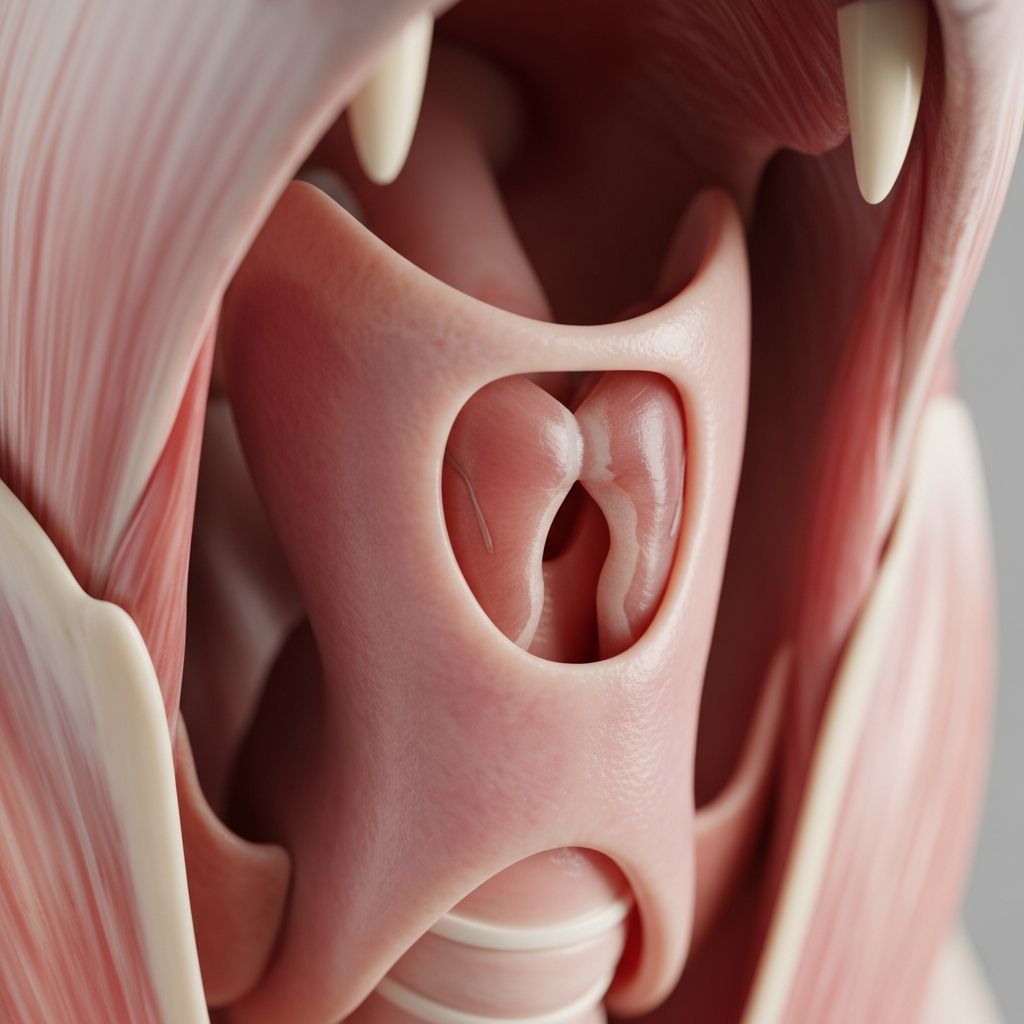
Laryngeal paralysis occurs when the muscles controlling the larynx fail to function properly, leading to partial airway obstruction during inhalation. This condition restricts airflow, causing respiratory challenges that can significantly impact a dog’s daily life and comfort.
The Anatomy of the Canine Larynx and Its Importance
The larynx, often called the voice box, sits at the entrance to the trachea in dogs. Composed of cartilage plates operated by specific throat muscles, it performs dual critical roles: sealing off the airway to prevent food and water from entering the lungs during swallowing, and widening the windpipe to facilitate deep breaths. Nerves innervate these muscles, ensuring synchronized movement. When paralysis strikes, the cartilages collapse inward instead of opening fully, narrowing the airway and complicating breathing, particularly under stress or exertion.
This malfunction not only affects respiration but also heightens risks like aspiration pneumonia if swallowing is compromised. Understanding this anatomy helps pet owners recognize why symptoms escalate in heat, during exercise, or with excitement.
Primary Causes Behind Laryngeal Paralysis
Most cases in adult dogs stem from acquired factors rather than congenital ones. The predominant cause is
geriatric onset laryngeal paralysis and polyneuropathy (GOLPP)
, a progressive neuromuscular disorder where nerve and muscle degeneration impairs laryngeal function early on. Dogs with GOLPP face a 21-fold increased risk of megaesophagus, where the esophagus dilates and weakens, further complicating food passage and elevating aspiration risks. Leg weakness may develop gradually, but not all affected dogs exhibit it.Other contributors include trauma to the neck or throat, such as from surgeries or injuries; tumors or lesions exerting pressure on nerves; and hormonal imbalances like hypothyroidism or Cushing’s disease. Notably, treating these endocrine issues rarely reverses the paralysis. Congenital forms appear in breeds like Bouvier des Flandres, Siberian Huskies, Bull Terriers, and Dalmatians, manifesting in puppies as young as three months. In many instances, the exact trigger remains idiopathic, underscoring GOLPP’s role in older large breeds like Labrador Retrievers.
Recognizing the Warning Signs Early
Early detection hinges on spotting subtle changes often mistaken for aging. Initial symptoms include reduced exercise stamina, where dogs slow down sooner than expected, and noisy breathing resembling harsh pants or wheezes, especially post-activity. A raspy bark, excessive panting even in mild conditions, and gagging or coughing—particularly around meals—signal progression.
- Harsh or stridorous inhalation: High-pitched wheezing worsens with excitement.
- Voice alteration: Bark becomes hoarse or weak.
- Exercise intolerance: Quick fatigue, avoidance of play.
- Heat sensitivity: Overheating due to ineffective panting.
- Advanced signs: Drooling, regurgitation, cyanosis (blue gums), collapse, or respiratory arrest.
These overlap with heart disease, obesity, or bronchitis, delaying diagnosis until crises hit. Owners of senior large-breed dogs should monitor for these clusters vigilantly.
Diagnostic Approaches for Confirmation
Veterinarians rely on clinical history and physical exams first, noting breathing patterns and throat sounds. Definitive diagnosis requires laryngoscopy: under light sedation, an endoscope visualizes the larynx during inhalation, revealing paralyzed cartilages that fail to abduct. This distinguishes it from other airway issues like collapsing trachea.
Additional tests screen for GOLPP or comorbidities: bloodwork for thyroid/hormonal panels, radiographs for megaesophagus or tumors, and neurological assessments for polyneuropathy. Early confirmation prevents life-threatening episodes.
Management Strategies and Treatment Options
| Approach | Description | Suitability |
|---|---|---|
| Medical Management | Anti-inflammatories, sedatives for stress, weight loss programs, avoiding heat/exertion | Mild cases; delays surgery |
| Surgical Intervention (Tie-Back) | Unilateral arytenoid lateralization opens airway permanently | Moderate-severe; gold standard |
| Supportive Care | Elevated feeding, harnesses over collars, cooling vests | All stages; quality of life |
For mild cases, conservative measures suffice: reducing body weight alleviates airway strain, environmental modifications minimize triggers, and medications curb inflammation. Surgery becomes essential when distress recurs; the ‘tie-back’ procedure sutures one cartilage in an open position, restoring 70-80% airflow without fully compromising swallowing protection. Risks include aspiration, but success rates exceed 90% for breathing improvement.
Post-treatment, monitor for pneumonia via regular check-ups. GOLPP progression demands holistic care, addressing neuropathy symptoms.
Breeds at Heightened Risk and Prevention Tips
Large, older breeds dominate statistics: Labrador Retrievers, Golden Retrievers, and Saint Bernards frequently present. Congenital risks pinpoint breeds like Dalmatians. No true prevention exists for idiopathic or GOLPP forms, but maintaining lean weight, using harnesses to avoid neck pressure, and prompt veterinary attention to breathing changes mitigate severity. Genetic screening lags, but breeders should note familial patterns.
Long-Term Prognosis and Home Care Essentials
With intervention, most dogs regain comfortable lives, though full athleticism may not return. Untreated severe cases risk fatal heatstroke or asphyxiation. Home care emphasizes cool environments, short calm walks, Bailey chairs for feeding to combat megaesophagus, and emergency plans for distress (sternal recumbency, cool air). Lifespan post-surgery often matches peers without the condition.
Frequently Asked Questions (FAQs)
What triggers a laryngeal paralysis crisis in dogs?
Excitement, heat, exercise, or stress swell airway tissues, narrowing the passage further.
Can laryngeal paralysis resolve without surgery?
Mild cases stabilize with lifestyle changes, but progression typically necessitates intervention.
Is GOLPP curable?
No, it’s degenerative, but symptoms manage effectively long-term.
How much does tie-back surgery cost?
Varies by region; expect $2,000-$5,000 including hospitalization.
Can puppies get laryngeal paralysis?
Yes, congenitally in select breeds, requiring early surgery.
References
- Laryngeal Paralysis in Dogs — VCA Animal Hospitals. 2023. https://vcahospitals.com/know-your-pet/laryngeal-paralysis-in-dogs
- Laryngeal Paralysis — Yarmouth Veterinary Center. 2022. https://yarmouthvetcenter.com/yvcipedia/laryngeal-paralysis-yarmouth-veterinary-center/
- Symptoms & Treatment of Laryngeal Paralysis in Dogs — Carolina Veterinary Specialists. 2022-04-15. https://www.rock-hill.carolinavet.com/site/blog/2022/04/15/dog-laryngeal-paralysis
- A Pet Parent’s Guide to Laryngeal Paralysis in Dogs — Miller Clark Animal Hospital. 2022-06-14. https://www.millerclarkanimalhospital.com/site/blog/2022/06/14/laryngeal-paralysis-in-dogs
- Laryngeal Paralysis Dogs — CC Vet Specialists. 2023. https://www.ccvetspecialists.com/laryngeal-paralysis-larpar
- Paralysis of the Larynx in Dogs — Merck Veterinary Manual. 2024. https://www.merckvetmanual.com/dog-owners/lung-and-airway-disorders-of-dogs/paralysis-of-the-larynx-in-dogs
- Laryngeal Paralysis — Cornell University College of Veterinary Medicine. 2023. https://www.vet.cornell.edu/departments-centers-and-institutes/riney-canine-health-center/canine-health-topics/laryngeal-paralysis
Similar Articles








Read full bio of medha deb




