

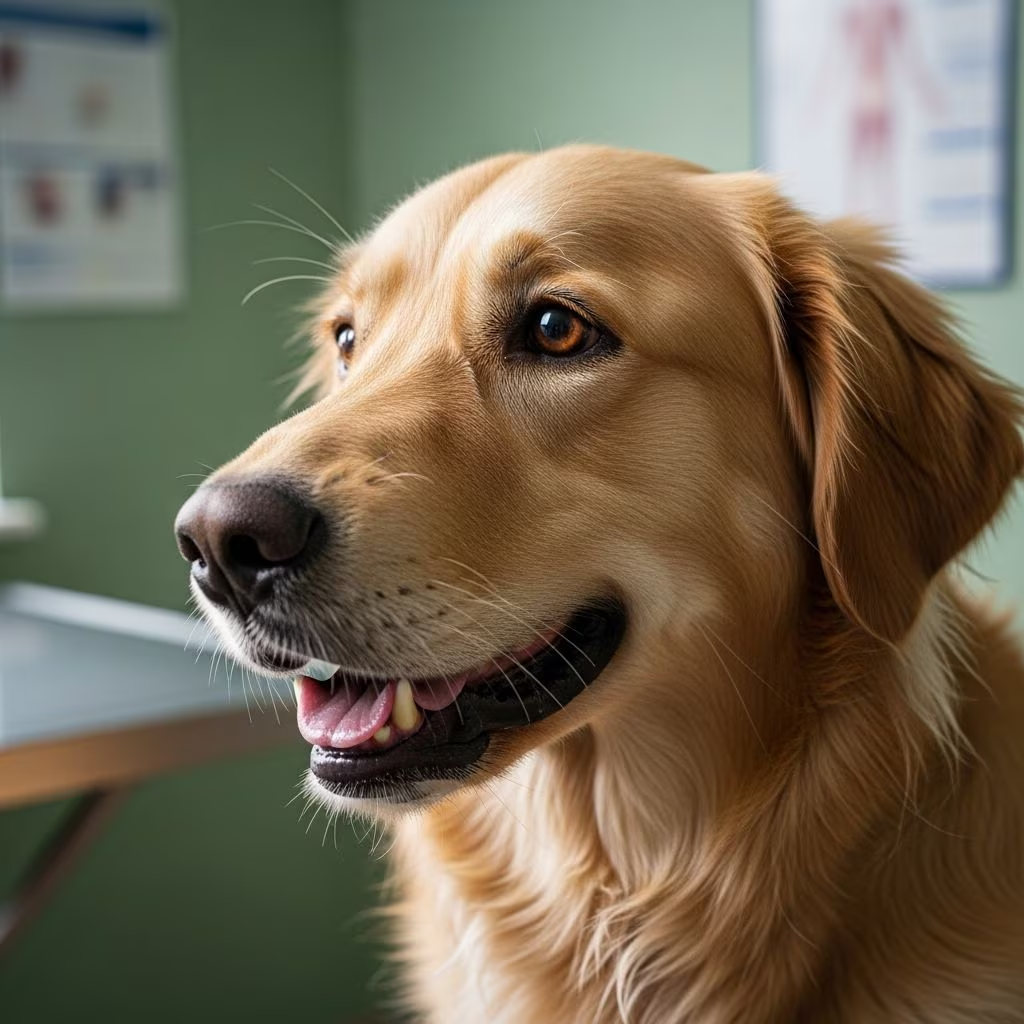
Laryngeal paralysis, often called Lar Par, affects the larynx’s ability to open properly during breathing in dogs, leading to noisy respiration and reduced oxygen intake. This condition primarily impacts older, large-breed dogs and requires prompt recognition for effective management.
Understanding the Laryngeal Mechanism in Canines
The larynx, or voice box, sits at the entrance to the trachea and features cartilages controlled by nerves that allow it to widen for inhaling and narrow for swallowing or vocalizing. In healthy dogs, rapid panting efficiently cools the body by facilitating airflow. When nerves degenerate, these cartilages fail to abduct fully, obstructing the airway and causing turbulent breathing sounds.
This degeneration ties into broader conditions like geriatric onset laryngeal paralysis polyneuropathy (GOLPP), where multiple nerves weaken over time, potentially affecting swallowing and gait stability later. Breeds such as Labrador Retrievers, Golden Retrievers, and Saint Bernards show higher susceptibility due to genetic and age-related factors.
Early Indicators of Laryngeal Dysfunction
Initial signs often appear subtle, with owners noticing harsher panting or a raspy quality to breaths, especially post-exertion. Dogs may exhibit restlessness or anxiety from insufficient air, alongside a altered bark that sounds weaker or hoarse.
- Increased respiratory noise: High-pitched wheezes or stridor during excitement or heat exposure.
- Reduced stamina: Shortening walks or tiring quickly, avoiding play.
- Gagging episodes: Particularly after meals or drinks, hinting at mild swallowing issues.
These early cues can progress if overlooked, emphasizing the need for veterinary consultation when breathing changes persist.
Progression to Advanced Respiratory Challenges
As paralysis worsens bilaterally, symptoms intensify. Dogs struggle more in warm conditions, unable to pant effectively for thermoregulation, risking heat exhaustion. Exercise triggers pronounced coughing, regurgitation, or even collapse from hypoxia.
Severe manifestations include cyanotic gums (bluish tint indicating oxygen deprivation), extreme distress with open-mouth gaping, and potential respiratory arrest. Aspiration pneumonia becomes a complication as food or water enters lungs due to poor laryngeal closure during swallowing.
| Stage | Common Symptoms | Risk Level |
|---|---|---|
| Mild | Noisy breathing, mild fatigue | Low; manageable at home |
| Moderate | Coughing, gagging, heat sensitivity | Medium; medical intervention advised |
| Severe | Collapse, blue gums, distress | High; emergency care required |
This table outlines symptom progression, aiding owners in gauging urgency.
Diagnostic Approaches for Confirmation
Veterinarians start with a physical exam, auscultating harsh lung sounds and observing breathing patterns. Laryngoscopy under light sedation visualizes the stationary arytenoid cartilages, confirming paralysis. Bloodwork rules out infections or metabolic issues, while radiographs detect pneumonia.
Electromyography or nerve conduction tests may identify polyneuropathy extent, though not always necessary for initial diagnosis. Early detection via these methods allows tailored interventions before crises.
Non-Surgical Management Strategies
For mild cases, conservative approaches prioritize lifestyle adjustments and medications to sustain comfort without invasive procedures. Anti-inflammatory drugs like corticosteroids reduce laryngeal swelling, while sedatives calm anxiety-driven panting.
- Environmental controls: Maintain cool indoor temperatures, avoid midday walks, and use fans during humid spells.
- Activity moderation: Opt for slow, short leashed strolls; prohibit off-leash running or swimming.
- Nutritional support: Feed elevated bowls with soft, moist food in small portions to minimize gagging risks.
- Harness preference: Switch from collars to harnesses to eliminate neck pressure.
Weight reduction via calorie-controlled diets eases respiratory effort, often extending medical management viability. Cough suppressants or doxepin address persistent irritation.
Surgical Interventions for Lasting Relief
When quality of life declines—marked by frequent distress or collapses—surgery becomes optimal. The ‘tie-back’ procedure, or arytenoid lateralization, sutures one cartilage open permanently, enlarging the airway rima glottis by 70-80%.
Performed unilaterally to preserve some protective function, success rates exceed 90% in improving breathing, though aspiration risk rises slightly post-op, necessitating vigilant monitoring. Alternatives like silicone stenting offer temporary stabilization, especially for owners hesitant on major surgery; a 2022 study reported immediate dyspnea relief in most cases with minimal short-term issues. Permanent tracheostomy serves as a last resort for failed cases.
Post-surgical care involves anti-inflammatories, sedatives for airway adaptation, and soft diets transitioning gradually. Owners report dramatic vitality gains, with many dogs resuming moderate activities.
Navigating Crisis Situations
Acute episodes demand immediate action: relocate to a calm, cool area, provide oxygen if available, and administer vet-prescribed emergency meds like steroids or sedatives. Intubation may stabilize comatose patients until surgery.
Prevention focuses on trigger avoidance; preparedness with a crisis plan—including clinic contacts—mitigates panic.
Long-Term Prognosis and Polyneuropathy Considerations
Untreated severe Lar Par heightens fatality risks from asphyxiation or pneumonia. Surgical patients typically enjoy 2-5 years of enhanced life, though GOLPP may introduce hindlimb weakness or megaesophagus.
Regular vet check-ups monitor complications, adjusting meds as needed. Owners embracing modifications see sustained benefits.
Frequently Asked Questions
What breeds are most prone to laryngeal paralysis?
Large breeds like Labs, Goldens, and Newfoundlands, especially seniors over 8 years.
Can laryngeal paralysis resolve without surgery?
Mild cases often stabilize with management, but progression typically necessitates intervention.
Is tie-back surgery safe for older dogs?
Yes, with high success even in geriatrics, provided comorbidities are assessed.
How do I prevent aspiration pneumonia post-treatment?
Use upright feeding, small meals, and supervise eating/drinking.
Does weight loss help Lar Par symptoms?
Absolutely; slimmer dogs breathe easier and tolerate heat better.
Empowering Owners for Optimal Canine Health
Recognizing and addressing laryngeal paralysis transforms affected dogs’ lives through informed care. Collaborate closely with vets for personalized plans blending medical, surgical, and home strategies.
References
- Laryngeal Paralysis (LarPar) — Carolina Creek Veterinary Specialists. 2023. https://www.ccvetspecialists.com/laryngeal-paralysis-larpar
- Symptoms & Treatment of Laryngeal Paralysis in Dogs — Clearlake Vet Clinic. 2024-06-15. https://www.clearlakevetclinic.com/site/blog/2024/06/15/laryngeal-paralysis-dogs
- Laryngeal Paralysis in Dogs — VCA Animal Hospitals. 2024. https://vcahospitals.com/know-your-pet/laryngeal-paralysis-in-dogs
- Laryngeal Paralysis in Dogs — Paws at Peace. 2023. https://pawsatpeace.com/laryngeal-paralysis-in-dogs/
- Laryngeal Paralysis-GOLPP — Best Friends Veterinary Center. 2024. https://bestfriendsvet.com/library/laryngeal-paralysis-golpp/
- Laryngeal silicone stent as a treatment option for laryngeal paralysis in dogs — PMC (PubMed Central). 2022-08-01. https://pmc.ncbi.nlm.nih.gov/articles/PMC9346520/
- Laryngeal Paralysis — Dallas Veterinary Surgical Center. 2023. https://www.dvsc.com/laryngeal-paralysis



