

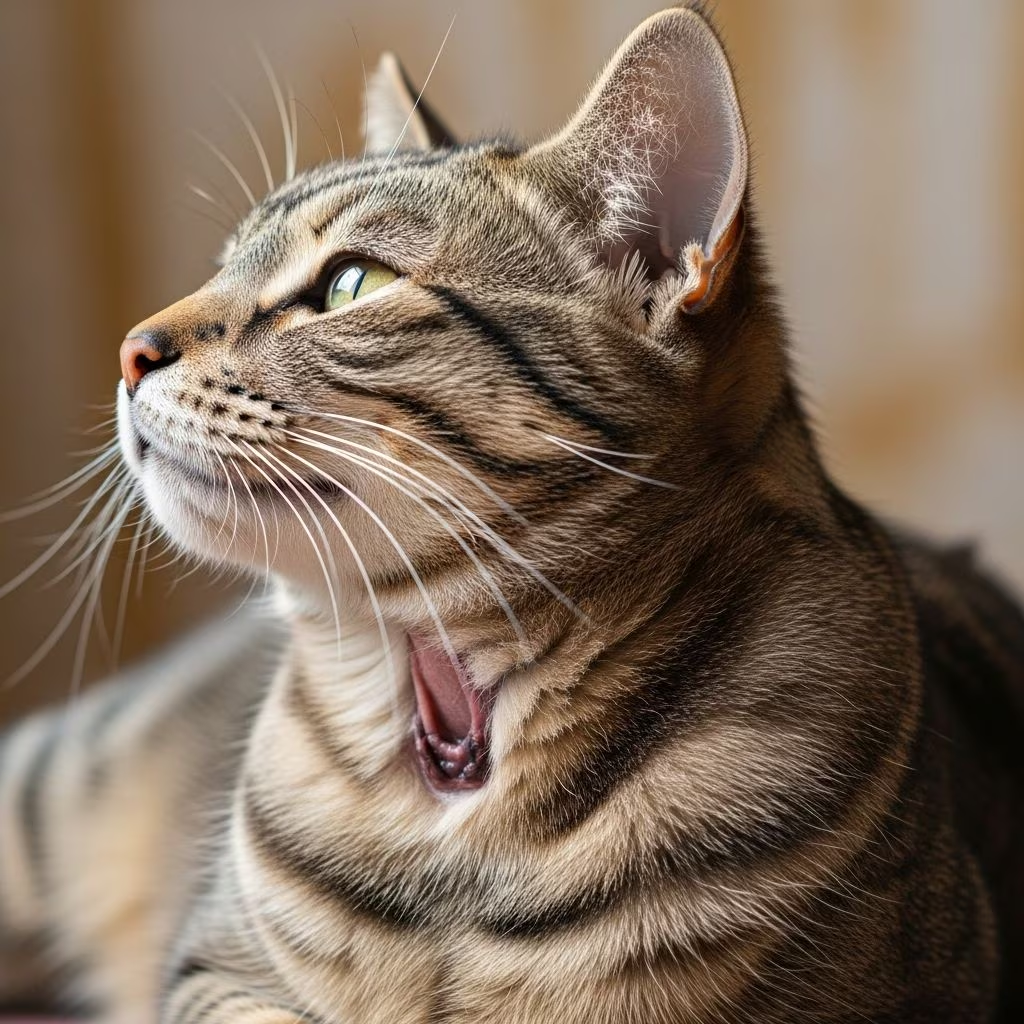
The larynx, often called the voice box, plays a crucial role in a cat’s respiratory system by controlling airflow and producing meows. When disorders affect this structure, cats can experience significant discomfort, breathing difficulties, and changes in vocalization. These conditions range from inflammation known as laryngitis to more severe problems like paralysis, requiring prompt veterinary attention to prevent life-threatening complications.
Understanding the Feline Larynx
In cats, the larynx is located at the entrance to the trachea, featuring cartilages that open and close to regulate air passage. This mechanism protects the airway during swallowing and enables vocal sounds. Disorders disrupt this function, leading to obstructed breathing or weakened voice production. Unlike dogs, where laryngeal paralysis is common, these issues are rarer in felines but can arise from various triggers, impacting cats of all ages and breeds.
Common Types of Laryngeal Disorders
Laryngeal problems in cats primarily fall into two categories: inflammatory conditions like laryngitis and neurological issues such as paralysis.
Laryngitis: Inflammation of the Voice Box
Laryngitis occurs when the laryngeal tissues become swollen or irritated, often due to infections or irritants. This leads to partial airway blockage and vocal changes. Viral upper respiratory infections, commonly called cat colds, frequently cause this, accompanied by secondary bacterial involvement.
Laryngeal Paralysis: Failure of Airway Control
This condition involves the muscles controlling the laryngeal cartilages failing to function properly, preventing full opening during inhalation. It results in restricted airflow, especially under stress or heat. While idiopathic in many cases, underlying polyneuropathy or trauma may contribute. In cats, it’s uncommon, with limited data on long-term outcomes.
Recognizing Warning Signs
Early detection hinges on observing subtle behavioral and respiratory shifts. Symptoms vary by severity and cause but often escalate quickly.
- Altered Vocalizations: Hoarse, weak, or absent meows signal laryngeal irritation or paralysis.
- Respiratory Noises: High-pitched inspiratory sounds, stridor, or wheezing indicate narrowed airways.
- Breathing Effort: Panting, open-mouth breathing, or extended neck positions show distress.
- Coughing and Gagging: Dry, harsh coughs or swallowing difficulties point to inflammation or obstruction.
- Systemic Signs: Lethargy, appetite loss, fever, nasal/ocular discharge, or halitosis often accompany infections.
In severe cases, cyanosis (bluish gums) or collapse signals an emergency. Heat exacerbates symptoms in paralyzed cats, raising body temperature and worsening obstruction.
Potential Causes and Risk Factors
Laryngeal disorders stem from diverse origins, necessitating thorough diagnostics.
| Cause Category | Examples | Common in Cats? |
|---|---|---|
| Infectious | Viral (feline calicivirus, herpesvirus), bacterial overgrowth | Very common |
| Traumatic | Foreign bodies, intubation injury, neck trauma | Occasional |
| Neurological | Polyneuropathy, tick paralysis, idiopathic | Rare |
| Immune-Mediated | Eosinophilic granuloma from parasite bites | Uncommon |
| Neoplastic | Tumors (rare in larynx) | Very rare |
Outdoor cats face higher risks from parasites and trauma, while seniors may develop degenerative nerve issues. Breeds with short noses, like Persians, could have conformational predispositions, though evidence is sparse.
Diagnostic Approaches
Veterinarians start with a physical exam, focusing on throat sounds and respiratory effort. Key diagnostics include:
- Laryngoscopy: Direct visualization under sedation reveals inflammation, paralysis, or masses.
- Radiographs: Chest X-rays rule out pneumonia or masses; neck views assess soft tissues.
- Bloodwork: Checks for infection, inflammation, or systemic disease.
- Cultures/Biopsies: Identify pathogens or abnormal tissues.
Electromyography may evaluate nerve function in paralysis cases, though it’s infrequently needed in cats.
Treatment Strategies
Management targets the root cause while stabilizing breathing. Tailored plans improve success rates.
Supportive Care for Mild Cases
- Humidified air via nebulizers or steam to soothe inflammation.
- Soft, warmed foods to ease swallowing.
- Environmental control: Dust-free spaces, moderate temperatures.
- Anti-inflammatories or antibiotics for infections.
Medical Interventions
Diuretics reduce laryngeal edema; analgesics manage pain without masking symptoms. Corticosteroids treat immune reactions or severe swelling, used cautiously in infections. For viral cases, antivirals or immune boosters aid recovery.
Surgical Options
In paralysis or obstructions, surgery is definitive:
- Arytenoid Lateralization: Permanently repositions cartilage for better airflow (unilateral preferred).
- Foreign Body Removal: Endoscopic or open surgery.
- Tracheostomy: Temporary airway bypass in crises.
Surgery carries risks like aspiration pneumonia, with guarded prognoses in cats due to rarity and complications.
Emergency Protocols
Acute distress demands immediate action: Oxygen supplementation, cooling, sedation, and IV fluids. Intubation or tracheostomy saves lives until definitive treatment.
Home Management and Prevention
Post-treatment, owners play a key role:
- Weight monitoring to reduce respiratory load.
- Harness use over collars to avoid neck pressure.
- Indoor living minimizes trauma and parasites.
- Annual vaccines prevent viral triggers.
- Tick preventives in endemic areas.
Humidifiers and air purifiers maintain airway moisture, especially in dry climates.
Prognosis and Long-Term Outlook
Mild laryngitis often resolves in days with care. Chronic or paralytic cases vary: Surgical success improves airflow but doesn’t restore full function, with complication risks up to 20-30%. Early intervention yields better results; untreated cases risk fatal asphyxiation. Regular vet follow-ups monitor progress.
Frequently Asked Questions (FAQs)
Can laryngitis in cats go away on its own?
Yes, viral-induced cases may self-resolve in 3-7 days, but veterinary evaluation rules out serious issues.
Is laryngeal paralysis fatal in cats?
Not always; with surgery and management, many cats adapt, though prognosis is cautious due to surgical risks.
How can I tell if my cat’s breathing is abnormal?
Look for effortful, noisy breaths, especially inhaling, or blue tinges on gums—seek emergency care immediately.
Are certain cat breeds more prone?
No strong breed links exist, but brachycephalic types may have airway vulnerabilities.
What home remedies help laryngeal inflammation?
Steam therapy, hydration, and rest support recovery but never replace professional diagnosis.
Monitoring Your Cat’s Recovery
Track daily symptoms, weight, and activity. Report worsening signs promptly. Nutritional support with high-quality, anti-inflammatory diets bolsters immunity. Physical therapy, like gentle neck massages, maintains muscle tone post-surgery, under vet guidance.
Maintaining a stress-free environment aids healing, as anxiety exacerbates breathing issues. Collaborate with your vet for personalized plans, ensuring your cat enjoys a comfortable life despite laryngeal challenges.
References
- Laryngeal Disorders in Animals – Respiratory System — Merck Veterinary Manual. 2023. https://www.merckvetmanual.com/respiratory-system/laryngeal-disorders/laryngeal-disorders-in-animals
- Laryngeal Disease in Cats — PetMD. 2023. https://www.petmd.com/cat/conditions/respiratory/c_ct_laryngeal_disease
- Laryngeal Paralysis in Cats – Causes, Treatment — Vetster. 2023. https://vetster.com/en/conditions/cat/laryngeal-paralysis



