

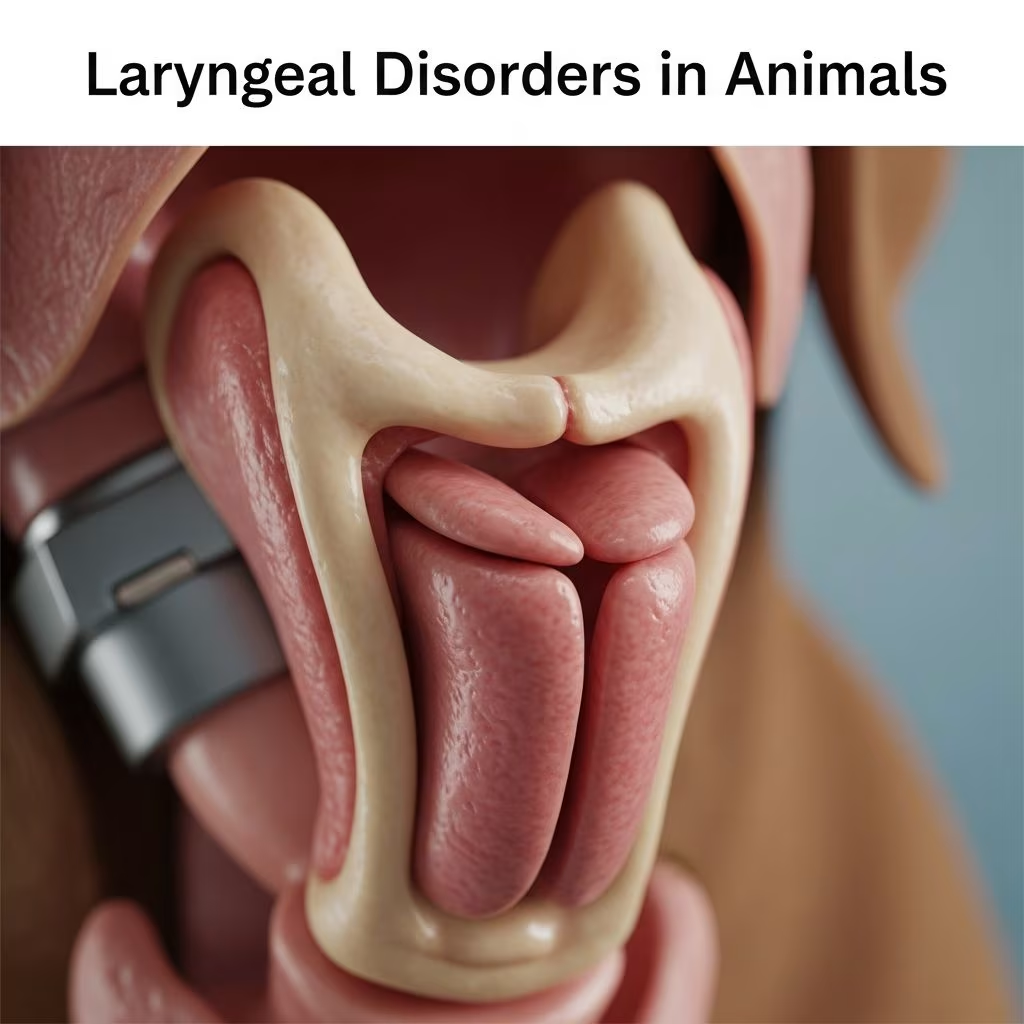
The larynx, often called the voice box, plays a critical role in animals’ respiratory and vocal systems by regulating airflow and protecting the airway during swallowing. Disorders affecting this structure can lead to severe breathing difficulties, reduced quality of life, and life-threatening emergencies. These conditions vary by species, with dogs experiencing the most prevalent issues like paralysis, while cats and horses face inflammation or functional impairments.
Understanding the Larynx’s Function and Common Problems
In animals, the larynx consists of cartilages such as the arytenoids and cricoid, controlled by muscles like the cricoarytenoideus dorsalis, which opens the airway during inhalation. Dysfunction results in upper airway obstruction, manifesting as stridor (noisy breathing), exercise intolerance, or cyanosis (bluish gums). Mechanical blockages from swelling or tumors, or functional failures like muscle weakness, are primary culprits.
Early recognition is vital, as symptoms often progress gradually. Owners might dismiss initial signs as aging, but timely veterinary intervention can prevent crises like heatstroke or collapse.
Prevalent Laryngeal Conditions Across Species
Dogs: Focus on Laryngeal Paralysis
Laryngeal paralysis tops the list in dogs, where the muscles fail to abduct the arytenoid cartilages, narrowing the airway. This idiopathic acquired form strikes large breeds like Labrador Retrievers, Golden Retrievers, and St. Bernards, typically over 9 years old. It links to geriatric onset laryngeal paralysis polyneuropathy (GOLPP), a broader nerve degeneration causing hindlimb weakness or megaesophagus.
Congenital cases appear in breeds like Dalmatians, Rottweilers, and Bouvier des Flandres, often as part of progressive neurodegeneration.
- Key Symptoms: Increased panting (especially in heat/stress), noisy respiration, voice changes, gagging on food/water, lethargy, and in severe cases, respiratory distress or collapse.
- Risk Factors: Age (geriatric), breed predisposition, trauma (bites, surgery), or tumors.
Cats: Inflammation and Rare Paralysis
Cats suffer laryngitis from upper respiratory infections, irritants like smoke or dust, or trauma. Edema or tumors are less common but possible. Paralysis occurs sporadically, often from nerve damage. Symptoms include hoarse meows, coughing, and swallowing issues, differing from dogs’ pronounced stridor due to smaller airways.
Large Animals: Horses and Cattle
In horses, laryngeal dysfunction impairs performance by reducing airway diameter, leading to swallowing problems or exercise-induced obstruction. Conditions like recurrent laryngeal neuropathy (roaring) affect Draft breeds. Calves develop necrotic laryngitis from infections, treatable with temporary tracheotomy.
Symptoms and Clinical Signs to Watch For
Universal signs include noisy inhalation, reduced stamina, altered bark/meow, and coughing. In advanced stages, dogs show dark gums, anxiety, or syncope. Horses exhibit poor athletic performance; cats may gag or drool.
| Species | Early Signs | Advanced Signs |
|---|---|---|
| Dogs | Panting, voice change | Collapse, cyanosis |
| Cats | Hoarseness, cough | Swallowing difficulty |
| Horses | Reduced performance | Stridor during exercise |
Diagnostic Approaches
Vets use sedation for laryngoscopy, observing arytenoid movement during respiration. Deep anesthesia phases must align with breathing to avoid false normals. Radiographs detect masses or edema; endoscopy is gold standard for horses under exercise. Bloodwork rules out systemic neuropathy.
- Sedated oral exam: Reveals paralyzed cartilages failing to open.
- Video laryngoscopy: Captures dynamic function.
- Neurologic evaluation: For GOLPP progression.
Treatment Strategies
Medical Management
Mild cases benefit from weight loss, stress reduction, cooling vests, and anti-inflammatories. Avoid heat/exertion. Aspiration pneumonia requires antibiotics and supportive care.
Surgical Options
Unilateral arytenoid lateralization (tie-back) is standard for canine paralysis, enlarging the airway by suturing cartilages open. It boosts quality of life but risks aspiration pneumonia (8-21% lifetime). Alternatives include castellated laryngoplasty or implants.
Horses may undergo laryngoplasty or nerve grafts for roaring. Cattle benefit from tracheostomy in acute laryngitis.
Post-op care: Elevated feeding, soft diets, monitoring for pneumonia.
Complications and Prognosis
Surgery improves breathing but doesn’t cure underlying neuropathy, which may advance. Aspiration pneumonia is primary risk, treatable if early but recurrent cases worsen outcomes. Congenital forms carry poor prognosis despite intervention. With management, most geriatric dogs live comfortably for years.
Prevention and Owner Tips
- Maintain ideal weight to lessen airway strain.
- Avoid hot weather, excitement triggers.
- Feed upright, small moist meals.
- Regular vet checks for at-risk breeds.
Frequently Asked Questions (FAQs)
What breeds are most at risk for laryngeal paralysis?
Labrador Retrievers, Golden Retrievers, St. Bernards, Irish Setters, and large breeds over 9 years.
Can laryngeal disorders be cured?
No full cure exists for paralysis, but surgery alleviates symptoms effectively.
Is surgery safe for older dogs?
Yes, with proper selection; it enhances life quality despite risks like pneumonia.
How do I know if my pet has laryngeal issues?
Look for noisy breathing, panting, fatigue—consult a vet for laryngoscopy.
What causes aspiration after surgery?
Tie-back procedures keep the larynx partially open, allowing food/water entry to lungs.
Recent Advances in Veterinary Care
Studies emphasize GOLPP as a polyneuropathy, guiding holistic management. Improved imaging and minimally invasive surgeries enhance outcomes. Research into nerve regeneration offers future hope.
References
- Laryngeal Disease in Dogs and Cats: An Update — PubMed/NCBI. 2019-12-23. https://pubmed.ncbi.nlm.nih.gov/31882166/
- Laryngeal Paralysis in Dogs — PetMD. N/A. https://www.petmd.com/dog/conditions/respiratory/c_dg_laryngeal_disease
- Laryngeal Paralysis — Cornell University College of Veterinary Medicine. N/A. https://www.vet.cornell.edu/departments-centers-and-institutes/riney-canine-health-center/canine-health-topics/laryngeal-paralysis
- Laryngeal Paralysis — Dallas Veterinary Surgical Center. N/A. https://www.dvsc.com/laryngeal-paralysis
- Laryngeal Disorders — University of Minnesota Large Animal Surgery. N/A. https://open.lib.umn.edu/largeanimalsurgery/chapter/laryngeal-disorders/
- Laryngeal Paralysis and Collapse Fact Sheet — Vet Specialists. N/A. https://www.vetspecialists.co.uk/fact-sheets-post/laryngeal-paralysis-and-collapse-fact-sheet/
- Laryngeal Disorders in Cats — MSD Veterinary Manual. N/A. https://www.msdvetmanual.com/cat-owners/lung-and-airway-disorders-of-cats/laryngeal-disorders-in-cats



