

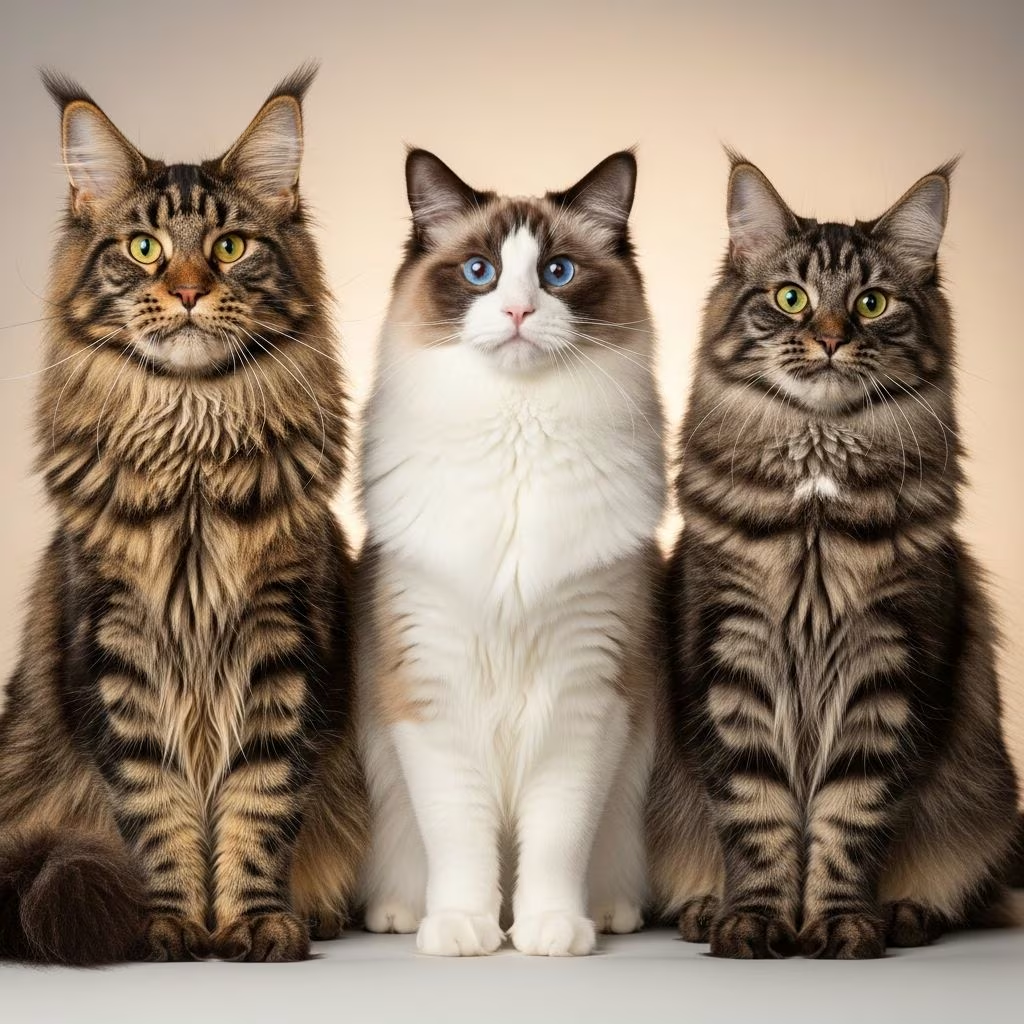
Domestic cats come in all shapes and sizes, but certain breeds stand out for their remarkable dimensions. These **largest domestic cat breeds** can rival small dogs in stature, offering both imposing presence and affectionate companionship. From natural giants adapted to harsh climates to hybrids blending wild ancestry with home life, these cats bring unique appeal to owners prepared for their needs. This guide delves into their characteristics, origins, care essentials, and living requirements, helping you decide if a massive feline fits your lifestyle.
Why Choose a Large Cat Breed?
Large cat breeds captivate with their majestic builds and often dog-like personalities. They tend to be more laid-back yet playful, thriving in homes with space for climbing and lounging. However, their size demands consideration: bigger litter boxes, sturdy scratching posts, and diets to prevent obesity are musts. Many excel in families, showing patience with children and tolerance for other pets. Health-wise, joint issues like hip dysplasia are common, so proactive vet care is key.
Top Contenders for the Biggest Domestic Cats
Ranking the largest involves factors like weight, length, and height. Males typically outsize females, with records pushing extremes. Here’s a comparison table of standout breeds:
| Breed | Average Weight (lbs) | Height/Length Notes | Temperament Highlights |
|---|---|---|---|
| Maine Coon | 18-25 | Up to 3.5 ft long | Gentle, social |
| Savannah | 12-25 | Up to 1.5 ft at shoulder | Athletic, energetic |
| Norwegian Forest Cat | 12-23 | 9-12 inches tall | Climbers, friendly |
| Ragdoll | 15-20 | Muscular build | Docile, affectionate |
| Siberian | 12-20 | Slow to mature | Playful, hypoallergenic |
Maine Coon: The Ultimate Gentle Giant
The **Maine Coon** reigns as the largest non-hybrid domestic cat, originating from the U.S. state of Maine where it’s the official state cat. Males average 18-22 pounds, females 12-15 pounds, with some reaching 25 pounds or lengths up to 3 feet 6 inches from nose to tail tip. Their dense, water-resistant coat, tufted ears, and bushy tails suit cold weather, while a muscular frame gives them a rugged look.
Temperament-wise, Maine Coons embody ‘gentle giant’ status. They’re highly social, often bonding with dogs and kids, and display dog-like traits such as fetch-playing and leash-walking. Despite size, they’re agile climbers needing tall cat trees. Health concerns include hip dysplasia, so joint supplements and weight management help longevity. Grooming their long fur weekly prevents mats, and they thrive in spacious homes with outdoor access.
Savannah: Wild Looks in a Domestic Package
Blending domestic cat with African serval, the **Savannah** boasts exotic spots, long legs, and large ears. Early generations (F1-F2) are tallest, up to 1 foot 5 inches at the shoulder and 20-25 pounds, though later ones are smaller. Their slender, athletic build enables 8-foot jumps, demanding secure high perches.
Savannahs are intelligent and energetic, loving water play and puzzle toys to channel hunting instincts. They suit experienced owners providing stimulation, as wild heritage can make them demanding. Not fully domesticated in early gens, they require leashed outings and tall enclosures. Health is robust, but monitor for urinary issues common in hybrids.
Norwegian Forest Cat: Hardy Climbers from the North
Adapted to Norway’s forests, the **Norwegian Forest Cat** (Wegie) features a thick double coat, tufted ears, and bushy tail. Weights hit 12-23 pounds, with heights of 9-12 inches. Their water-repellent fur and strong limbs make them exceptional climbers, historically scaling trees for prey.
Friendly yet independent, they enjoy outdoors but adapt indoors with catios. Gentle with families, they’re vocal and love perches. Prone to hip dysplasia, so maintain ideal weight via measured feeding. Brush bi-weekly to manage shedding.
Ragdoll: Floppy Affection Machines
**Ragdolls** stun with striking blue eyes and semi-long, silky fur. Males weigh 15-20 pounds, boasting sturdy, muscular bodies. Named for going limp when held, they’re incredibly relaxed and people-oriented.
Ideal lap cats, they follow owners room-to-room and greet strangers calmly. Need vertical space despite docility. Watch for obesity and HCM (heart condition); annual checkups essential. Minimal grooming suits busy homes.
Siberian: Russia’s Hypoallergenic Powerhouses
Hailing from Russia, **Siberians** sport a triple coat that’s surprisingly hypoallergenic for some allergy sufferers. They reach 12-20 pounds, maturing slowly over 5 years. Muscular and agile, they leap high and swim well.
Affectionate, intelligent, and leash-trainable, Siberians solve puzzles and cuddle. Prone to obesity without play; use interactive toys. Thick fur needs weekly combing.
Other Notable Large Breeds
- British Shorthair: Stocky at 9-18 pounds, calm and plush-coated. Easygoing family pets.
- Chartreux: Blue-gray, robust 8-16 pounds. Loyal and adaptable.
- Bengal: Leopard-like, 8-15 pounds. High-energy hunters needing vertical space.
- Turkish Van: Water-loving, 10-20 pounds. Active swimmers.
- American Bobtail: Short-tailed, 7-16 pounds. Leash-walkers prone to hip issues.
Care Essentials for Big Cats
Large breeds share needs: oversized litter boxes (avoid tiny ones causing accidents), durable furniture, and high-protein diets. Daily play prevents weight gain; puzzle feeders engage minds. Grooming varies—longhairs weekly, shorthairs less. Vet visits monitor joints; supplements aid mobility.
Space matters: apartments suit calmer types like Ragdolls; houses fit climbers like Norwegian Forests. Introduce slowly to multi-pet homes.
Health Considerations and Longevity
Size brings risks: hip dysplasia (Maine Coon, Norwegian), HCM (Ragdoll), obesity (Siberian). Expect 12-15 years with care. Choose reputable breeders screening genetics. Spay/neuter early reduces risks.
FAQs
What is the largest domestic cat breed?
Maine Coon holds the title for non-hybrids, with Savannah competing in height and early-gen weight.
Are large cats good with kids?
Yes, breeds like Maine Coon and Ragdoll are patient and gentle.
Do big cats shed a lot?
Many have thick coats (e.g., Siberian, Norwegian), requiring regular brushing.
Can Savannah cats be indoor-only?
Early generations need vast space or enclosures due to energy.
How much do large cat breeds eat?
More than averages—split meals, measure to avoid overfeeding.
Choosing Your Giant Companion
Assess lifestyle: active homes suit Savannahs; relaxed ones Ragdolls. Visit breeders, prioritize health-tested lines. These giants reward with loyalty and presence, transforming homes into feline kingdoms.
References
- The Big Cat Breeds — Purina Australia. 2023. https://www.purina.com.au/the-biggest-cat-breeds.html
- Largest Cat Breeds — Omlet US. 2023. https://www.omlet.us/guide/cats/choosing_the_right_cat_for_you/largest_cat_breeds/
- Maine Coon — Wikipedia (citing primary breed standards). 2026. https://en.wikipedia.org/wiki/Maine_Coon
- 10 Big Cat Breeds — PetMD. 2025. https://www.petmd.com/cat/general-health/big-cat-breeds
- 8 Biggest Cat Breeds! — YouTube (Veterinarian Dr. Wooten). 2023. https://www.youtube.com/watch?v=P5m26GQwPDw



