

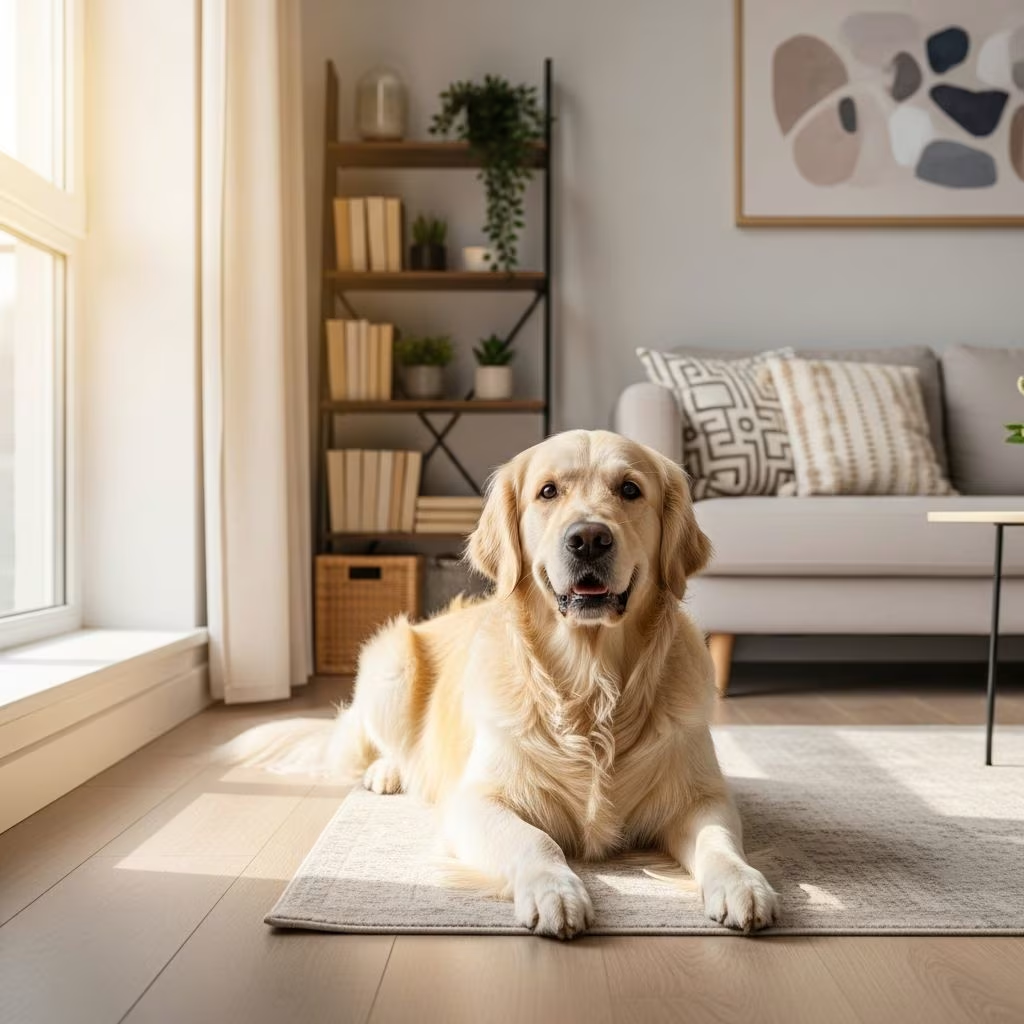
The common assumption that large dogs cannot flourish in apartment settings is a misconception that deserves challenging. Many substantial dog breeds possess temperaments, energy levels, and behavioral traits that make them surprisingly well-suited to compact urban living spaces. Rather than requiring sprawling yards and countryside estates, numerous large breeds demonstrate exceptional adaptability to apartment environments when their fundamental needs receive appropriate attention. Understanding which breeds possess these qualities, alongside the necessary modifications to create suitable living conditions, empowers apartment dwellers to experience the profound joy of sharing their homes with larger canine companions.
Understanding Large Dog Suitability for Urban Environments
The relationship between a dog’s physical dimensions and its apartment compatibility involves far more nuance than simple size calculations. Large breeds often exhibit personality characteristics and behavioral patterns that differ significantly from their smaller counterparts. Many substantial dogs demonstrate lower activity requirements compared to mid-sized breeds, preferring extended relaxation periods punctuated by moderate exercise sessions rather than constant engagement. This natural inclination toward calm, settled behavior makes numerous large breeds exceptional choices for residents in apartment buildings, provided their owners establish appropriate exercise routines and environmental enrichment strategies.
Several critical factors determine whether a large breed will thrive in an apartment context. These considerations encompass the dog’s baseline energy expenditure, vocalization patterns, sociability with neighbors through shared walls, grooming maintenance demands, and fundamental temperamental characteristics. Dogs that demonstrate reserved, gentle dispositions typically create harmonious relationships within multi-unit housing, while those prone to excessive barking or destructive behaviors present challenges regardless of breed size. Building a successful apartment-dog partnership requires careful breed selection aligned with the owner’s lifestyle, living space dimensions, and capacity for consistent daily engagement.
Top Large Breeds Adapted for Apartment Existence
The Serene Greyhound
Greyhounds present a particularly compelling option for apartment dwellers seeking a large breed companion. Despite their racing heritage and exceptional sprint capabilities, greyhounds display remarkably low activity requirements when residing indoors. These elegant athletes possess a natural inclination toward extended rest periods, contentedly spending substantial portions of their days lounging on furniture. Their short, sleek coat requires minimal grooming attention, and their characteristically quiet nature means they rarely contribute to noise disturbances affecting neighboring residents. Greyhounds thrive when provided periodic opportunities to stretch their legs in secure outdoor spaces, but their fundamental temperament aligns beautifully with apartment living constraints. These dogs form deep bonds with their owners and appreciate the intimate proximity apartment living facilitates.
Gentle Giants: The Great Dane
Great Danes exemplify how substantial physical presence need not preclude apartment suitability. These towering companions demonstrate calm, affectionate temperaments that belie their impressive stature. Great Danes occupy surprisingly modest amounts of space relative to their body dimensions, often content with medium-sized sleeping areas when properly configured. While their height necessitates consideration regarding furniture arrangements and walking comfort, their exercise requirements remain moderate and manageable. Great Danes typically respond well to structured daily walks without demanding extensive athletic engagement. Their short coats require straightforward maintenance routines, though prospective owners should prepare for potential drool management. The breed’s natural protectiveness combined with gentle disposition creates an appealing balance for apartment residents seeking security without aggressive tendencies.
The Intelligent Standard Poodle
Standard poodles represent a sophisticated choice for apartment living, combining substantial size with remarkable intellectual capacity. These highly intelligent dogs thrive when provided consistent mental stimulation through training activities, interactive play, and puzzle-based enrichment. Poodles demonstrate strong adaptability to various living environments provided their owners commit to regular exercise and cognitive engagement. The breed’s hypoallergenic curly coat appeals to residents concerned about shedding, though it necessitates professional grooming maintenance on regular schedules. Poodles form deeply devoted bonds with their owners and respond enthusiastically to training protocols that leverage their natural intelligence. Their moderate energy levels balance reasonably with apartment constraints, though owners must ensure adequate daily movement opportunities.
The Patient Bernese Mountain Dog
Bernese mountain dogs bring warmth, patience, and gentleness to apartment environments, demonstrating particular success with families including children. These substantial companions possess thick, luxurious coats requiring consistent grooming attention, particularly in warmer climates. Bernese mountain dogs typically display calm, settled dispositions when not actively engaged, making them suitable for apartment configurations with sufficient space for their body dimensions. While these breeds appreciate activities and movement, their temperaments rarely demand excessive exercise intensity. Bernese mountain dogs demonstrate excellent compatibility with apartment living when residents provide regular walks, occasional playtime, and secure spaces for relaxation.
The Low-Maintenance Bulldog
Bulldogs present an excellent alternative for apartment residents prioritizing low-energy companionship. These stout, compact dogs require minimal exercise, typically satisfied by short walking sessions and indoor activities. Bulldogs’ calm, affectionate nature makes them exceptional apartment neighbors, with low barking tendencies and undemanding exercise needs. Their short coats require minimal grooming beyond occasional brushing and consistent skin fold maintenance. One consideration involves temperature sensitivity; bulldogs struggle in excessively warm environments and appreciate climate-controlled apartment settings. Prospective bulldog owners should prepare for potential health expenses and veterinary care requirements, as the breed experiences certain predispositions to health challenges.
Essential Considerations for Large Dog Apartment Living
Exercise and Physical Activity Requirements
Large dogs residing in apartments require consistent, thoughtfully structured exercise routines to maintain physical health and psychological wellbeing. Most substantial breeds benefit from one to two extended daily walks, with additional playtime sessions contributing to their overall satisfaction. Walking provides essential physical exertion while offering mental stimulation through sensory exploration of outdoor environments. Interactive play within apartments, including fetch games in hallways or designated areas, contributes meaningfully to daily activity expenditure. Many apartment residents establish relationships with nearby parks and green spaces, using these locations for expanded exercise opportunities during weekends and extended periods. Regular physical engagement prevents obesity, maintains cardiovascular health, and reduces behavioral problems associated with insufficient activity.
Mental Enrichment and Cognitive Engagement
Apartment-dwelling large dogs require substantial mental stimulation beyond basic physical exercise. Interactive toys, puzzle feeders, training sessions, and rotating toy availability help maintain cognitive engagement throughout extended indoor periods. Dogs possessing higher intelligence appreciate training challenges that harness their learning capacities while strengthening owner-dog bonds. Rotating toy selections prevents habituation and maintains novelty that stimulates investigative behavior. Many apartment residents discover that structured training sessions, teaching new commands, and engaging problem-solving activities significantly enhance their dog’s contentment and reduce destructive behaviors rooted in boredom.
Building and Policy Considerations
Apartment buildings maintain varying policies regarding pet ownership, with some establishing breed restrictions, weight limitations, or size specifications. Prospective dog owners must thoroughly examine lease agreements and building regulations before acquiring a large breed companion. Certain buildings impose restrictions on specific breeds based on perceived risk profiles, while others limit pet count or require substantial pet deposits. Landlord preferences significantly influence apartment suitability for large dogs; some landlords maintain principled objections to substantial breeds regardless of individual dog temperament. Initiating conversations with property management before committing to dog ownership prevents disappointing situations where incompatibility emerges after bonding has begun.
Optimizing Apartment Environments for Large Dogs
Space Configuration and Furniture Planning
Successfully housing large dogs in apartments requires strategic spatial planning that accommodates their physical dimensions while maintaining resident comfort. Designating dedicated dog zones with appropriately-sized bedding creates personal spaces where dogs experience security and territory. Selecting furniture that withstands large dog weight and movement patterns prevents damage while extending furnishing longevity. Some apartment residents employ furniture arrangement strategies that create traffic patterns maximizing available space, facilitating easier movement for both humans and canine companions. Storage solutions for toys, food supplies, and grooming equipment help maintain organized living conditions despite limited square footage.
Creating Sensory Enrichment Opportunities
Windows positioned at appropriate heights allowing dogs to observe outdoor activity provide valuable sensory stimulation and entertainment throughout the day. Some apartment dwellers employ window perches or accessible viewing areas enabling their dogs to engage with street-level activity, neighborhood sounds, and seasonal environmental changes. Controlled access to balconies or patios extends outdoor engagement opportunities while maintaining safety. Audio enrichment through soft music, nature soundscapes, or television programming can create calming ambient environments, particularly beneficial during owner absence periods.
Climate Control and Temperature Management
Many large breeds demonstrate sensitivity to temperature extremes, requiring apartment climates maintained within comfortable ranges. Air conditioning becomes essential for breeds with thick coats or those predisposed to heat sensitivity, particularly during warm seasons. Adequate ventilation, strategically positioned fans, and climate-controlled sleeping areas contribute to large dog comfort and prevent heat-related health complications. Winter considerations involve ensuring sufficient warmth without excessive dryness that compromises skin health.
Behavioral Management in Shared Living Spaces
Noise Reduction and Neighbor Consideration
Apartment living requires particular attention to barking management, as excessive vocalization disturbs neighboring residents and creates building tension. Large breeds demonstrating low barking tendencies present significant advantages in multi-unit housing contexts. Training protocols addressing excessive barking establish clear behavioral boundaries while respecting shared wall realities. Socialization reducing anxiety-based vocalization contributes meaningfully to harmonious apartment living. Awareness of noise sensitivities and proactive management of triggering stimuli helps maintain peaceful cohabitation with neighbors.
Socialization and Neighbor Relations
Large dogs require consistent socialization exposure reducing fear responses to apartment-specific stimuli including elevators, emergency vehicle sirens, and unfamiliar residents. Well-socialized large dogs demonstrate calm responses to typical apartment situations, facilitating positive neighbor relationships. Polite leash walking practices, respectful elevator behavior, and attentive outdoor management demonstrate responsible pet ownership that generates community goodwill rather than resentment.
Health and Veterinary Considerations
Large breed dogs often experience specific health predispositions requiring specialized veterinary attention. Hip dysplasia, joint complications, and cardiac conditions occur with elevated frequency in substantial dogs. Regular veterinary examinations, appropriate exercise management, and preventive care protocols help address potential health concerns before they escalate into serious complications. Apartment residents should establish relationships with accessible veterinary providers and ensure their insurance coverage addresses breed-specific health concerns. Nutritional management becomes increasingly important with larger dogs, as dietary quality significantly influences longevity and quality of life.
Frequently Asked Questions
Can large dogs genuinely thrive in small apartments?
Yes, numerous large breeds demonstrate exceptional adaptability to compact apartment living when fundamental needs receive appropriate attention. Breed selection emphasizing calm temperaments, moderate exercise requirements, and low vocalization tendencies proves essential for successful apartment arrangements.
What exercise duration do large apartment dogs require?
Most large breeds benefit from one to two daily walks supplemented by interactive indoor play. Specific requirements vary by breed, individual dog temperament, and age, necessitating personalized activity planning.
How should prospective residents address building pet policies?
Carefully review lease agreements and building regulations before acquiring a large breed dog. Direct conversation with property management clarifies breed restrictions, weight limitations, and pet policy specifics, preventing subsequent complications.
Which large breeds demonstrate lowest barking tendencies?
Greyhounds, Great Danes, bulldogs, and mastiffs typically display reserved vocalization patterns, making them excellent choices for noise-sensitive apartment environments.
What budget considerations apply to large breed apartment ownership?
Large dogs require substantial food expenditure, regular veterinary care, professional grooming for certain breeds, and potential property damage from their weight and movement. Prospective owners should carefully evaluate financial capacity before commitment.
References
- Best Large Dogs for Apartments — Dog Academy. Accessed January 2026. https://dogacademy.org/blog/best-large-dogs-for-apartments/
- 15 Best Apartment Dogs Breeds for Urban Living — Blueground. Accessed January 2026. https://www.theblueground.com/blog/move-with-pets/best-apartment-dogs/
- Best Dog Breeds for City Living: Complete Guide to Apartment-Friendly Dogs — WagBar. Accessed January 2026. https://www.wagbar.com/best-dog-breeds-for-city-living-complete-guide-to-apartment-friendly-dogs
- Best Dogs For Apartment Dwellers — American Kennel Club. Accessed January 2026. https://www.akc.org/dog-breeds/best-dogs-for-apartment-dwellers/



