

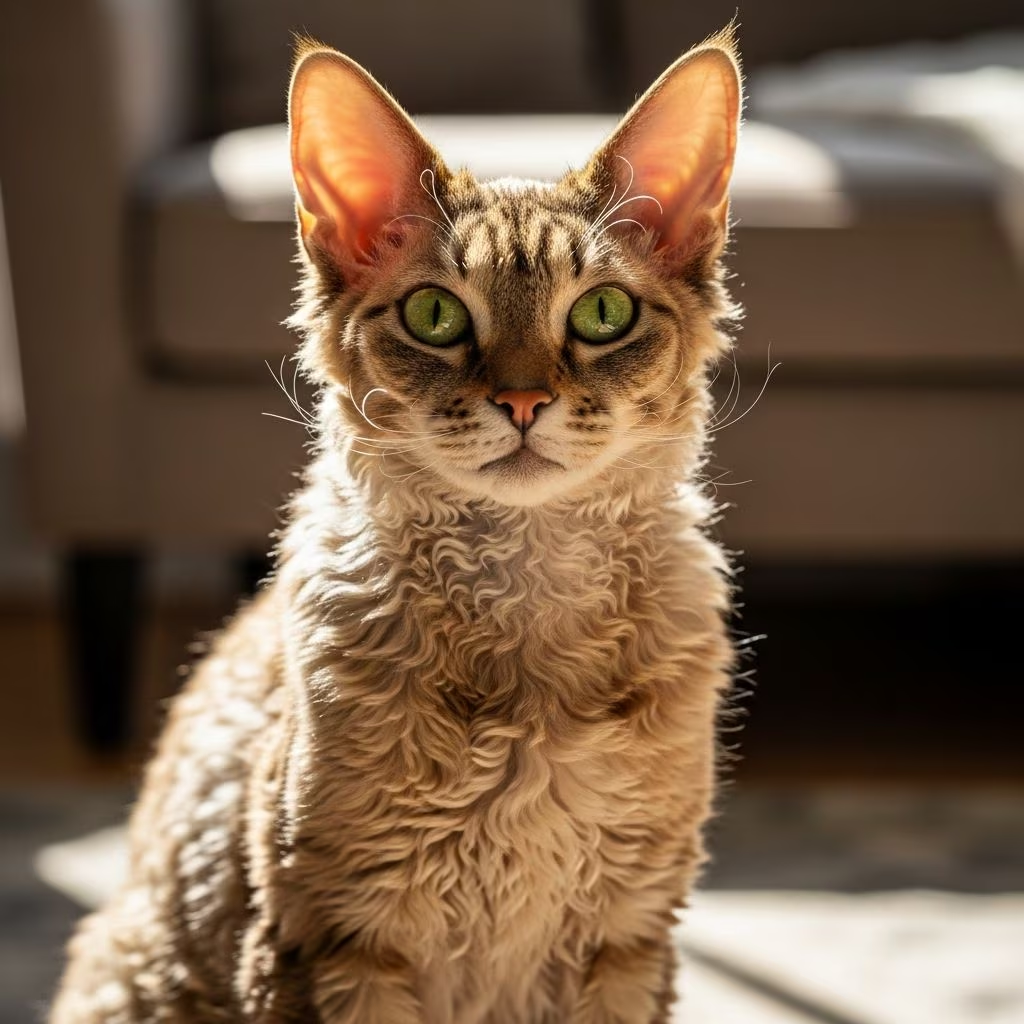
The LaPerm cat captivates with its soft, spiraling curls and warm, sociable demeanor, making it a standout choice for cat enthusiasts seeking a unique companion. Originating from a natural genetic surprise on an Oregon farm, this breed combines playful energy with gentle affection, thriving in homes filled with interaction.
Origins of the LaPerm: A Farmyard Miracle
In 1982, on a cherry farm in The Dalles, Oregon, a barn cat named Speedy delivered a litter that included an unexpected arrival: a bald kitten with tabby patterns etched on her skin. Named Curly by owners Linda and Richard Koehl, this tiny survivor grew a luxurious wavy coat, marking the birth of the LaPerm breed through a spontaneous rex mutation.
Curly’s charm extended beyond her fur; her affectionate personality shone through, even after surviving a near-fatal engine mishap. She produced litters of similarly bald newborns that developed curls, sparking a breeding program. By the 1990s, the LaPerm earned recognition from registries like TICA and CFA, evolving from farm pest controllers to cherished pets worldwide.
The breed’s development emphasized preserving its natural traits without exaggeration, reflecting its sturdy farm roots. Today, LaPerms embody a blend of resilience and elegance, with both longhair and shorthair varieties.
Distinctive Physical Features of LaPerm Cats
LaPerms possess a moderately wedge-shaped head, accentuated by large, almond-shaped eyes in shades of green, gold, or blue that convey curiosity and intelligence. Their medium-to-large ears, often tipped with lynx tufts in longhairs, sit wide-set for an alert expression.
The body is lithe yet muscular, with medium boning that supports graceful movement. A hallmark is the plumed tail, which sways like a curly banner. Maturity arrives around 3-4 years, when their frame fully develops into a balanced, athletic form.
| Feature | Description |
|---|---|
| Head | Wedge-shaped, rounded muzzle |
| Eyes | Almond-shaped, expressive |
| Ears | Medium-large, possibly tufted |
| Body | Muscular, lithe build |
| Tail | Long, plumed with curls |
The Signature Curly Coat: Texture and Variety
No feature defines the LaPerm more than its coat, which ranges from loose waves to tight corkscrew ringlets, densest on the underside, throat, and ear bases. Available in short or long lengths, the fur boasts a mohair-like softness that’s low-shedding and somewhat hypoallergenic.
Colors span solids, tabbies, points, and more, inherited from diverse farm cat lineages including Siamese influences. Unlike engineered breeds, the curl ties directly to temperament-enhancing genetics, appearing post-bald birth in kittens.
- Short-haired LaPerms: Loose waves, minimal grooming.
- Long-haired LaPerms: Ringlets, needs weekly brushing.
- Straight variants: Rare, but accepted in some lines.
Temperament: The Ultimate Lap Companion
LaPerms earn the nickname “curly-coated cuddlers” for their devotion. Affectionate without clinginess, they bond deeply, often perching on laps or gazing soulfully for attention. Playful and intelligent, they excel at interactive toys, climbing, and exploring.
Gentle by nature, they suit families with children, other pets, or seniors, rarely showing aggression—instead retreating when overwhelmed. Their empathy allows mood-reading, offering comfort or play as needed. Vocal minimally, they communicate softly.
Active yet easygoing, LaPerms crave companionship, disliking solitude. Pairing with similar cats or dogs enhances their joy.
Care Essentials for Thriving LaPerms
Grooming maintains their curls: weekly brushing prevents mats, increasing during sheds. Use wide-toothed combs gently to preserve texture. Baths are rare due to low shedding.
Nutrition supports coat health with omega-rich foods. Dental care, nail trims, and ear checks round out routines. Provide tall scratchers and perches for their agile builds.
Training and Socialization Tips
Start early with positive reinforcement—play-based methods leverage their smarts, curbing mischief via toys and consistency. Socialize broadly for well-adjusted adults.
- Reward calm behavior with treats.
- Use clickers for tricks like fetching.
- Expose to varied sounds and people young.
Health Considerations and Lifespan
LaPerms enjoy robust health from natural origins, with few breed-specific issues. Average lifespan: 10-15 years. Monitor for general feline concerns like obesity or dental disease. Regular vet visits, vaccinations, and spaying/neutering promote longevity.
Genetic testing ensures curl-dominant lines. Their farm heritage imparts hardiness.
Bringing Home a LaPerm: Adoption and Costs
Acquire from reputable breeders emphasizing health testing. Shelters occasionally feature mixes. Expect $800-$1500 for pedigreed kittens. Factor in initial setups: litter, food, toys.
Prepare vertically enriched spaces. They adapt well to apartments if stimulated.
LaPerms in Daily Life: Real Owner Insights
Owners rave about their adaptability—from quiet evenings to lively play. One notes: “My LaPerm greets guests like a host, curls bouncing.” Their low-maintenance fur suits busy homes, while devotion combats loneliness.
Common Myths About LaPerm Cats
- Myth: High-maintenance coat. Reality: Simpler than many longhairs.
- Myth: Fragile health. Reality: Hardy farm descendants.
- Myth: Aloof. Reality: People-oriented cuddlers.
Frequently Asked Questions (FAQs)
Are LaPerm cats hypoallergenic?
Somewhat; low-shedding curls reduce allergens, but test personally.
How do LaPerm kittens look at birth?
Often bald with skin patterns, developing curls by 6-8 weeks.
Do LaPerms get along with dogs?
Yes, with proper introductions; their sociable nature shines.
What’s the best food for LaPerm coat health?
High-protein diets with fish oils enhance curls.
Can LaPerms live indoors only?
Absolutely; enrich with toys and windows for stimulation.
Why Choose a LaPerm?
LaPerms offer a rare mix of whimsy and warmth, transforming homes into havens of curls and companionship. Their story—from barn oddity to beloved breed—inspires, proving nature’s best innovations endure.
References
- History – CFA LaPerm Breed Council — CFA LaPerm Breed Council. N/A. http://www.lapermbc.org/history.html
- LaPerm – GoofyTails — GoofyTails. N/A. https://goofytails.com/pages/laperm
- The LaPerm: origin, temperament, health and price — Weenect. N/A. https://www.weenect.com/us/en/guide/cat-breeds/laperm/
- What To Know About a LaPerm — WebMD. N/A. https://www.webmd.com/pets/cats/what-to-know-la-perm
- LaPerm – TICA — The International Cat Association (TICA). N/A. https://tica.org/breed/laperm/
- LaPerm Cat Breed History and Quirks — HowStuffWorks. N/A. https://animals.howstuffworks.com/pets/laperm-cat.htm
- LaPerm – Cat breed genetic test — Koko Genetics. N/A. https://www.kokogenetics.com/en/results/cat-dna-test-breed/laperm



