

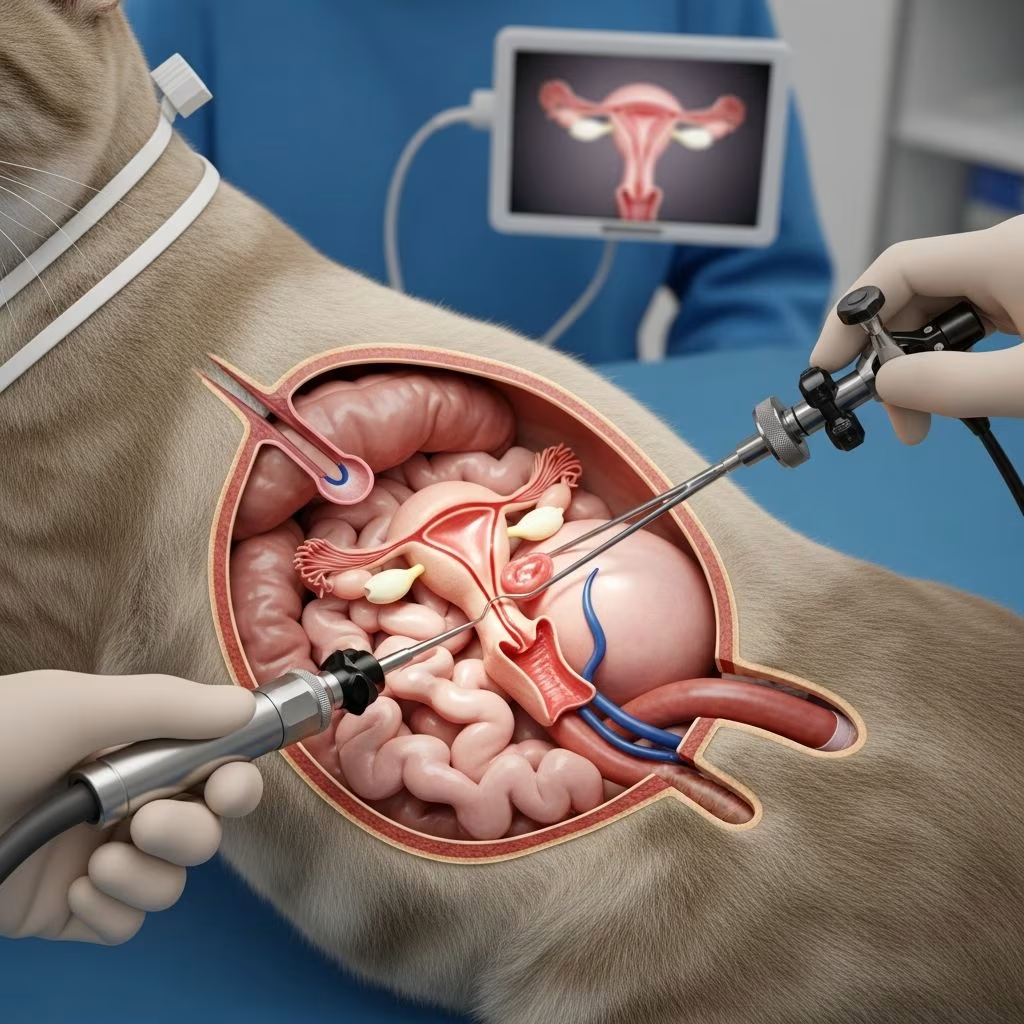
Modern veterinary surgery has introduced laparoscopic spaying as a superior alternative to conventional methods for sterilizing female cats. This technique employs a small camera and specialized instruments inserted through tiny abdominal ports to remove the ovaries precisely, minimizing tissue disruption and promoting swift recovery.
Understanding the Laparoscopic Spay Procedure
The laparoscopic spay, often termed laparoscopic ovariectomy (LapOVE), targets only the ovaries rather than the entire reproductive tract. Veterinarians make two to three small incisions, typically 5-10 mm each, to accommodate a laparoscope and surgical tools. Carbon dioxide gas inflates the abdominal cavity for optimal visibility, allowing the surgeon to visualize and cauterize ovarian blood vessels with precision, avoiding the ligament tearing common in open surgeries.
Unlike traditional ovariohysterectomy (OVH), which involves a larger midline incision and uterus removal, LapOVE aligns with guidelines from bodies like the World Small Animal Veterinary Association (WSAVA), prioritizing ovary removal for effective sterilization. The magnified view ensures meticulous hemostasis, reducing bleeding risks, and the procedure often completes in under an hour, shortening anesthesia exposure.
Key Advantages Over Traditional Spaying
Laparoscopic spays provide multiple benefits that enhance feline welfare and owner convenience. Smaller incisions translate to less muscle separation and nerve irritation, resulting in notably lower postoperative pain scores within the first 24 hours.
- Minimized Pain: Cats experience significantly less discomfort, often requiring fewer analgesics and exhibiting quicker return to eating and grooming.
- Accelerated Healing: Tiny wounds heal in days rather than weeks, with reduced inflammation and seroma formation.
- Lower Complication Rates: Precision reduces internal trauma, infections, and hernias associated with larger cuts.
- Enhanced Diagnostics: The camera reveals abdominal organs, enabling incidental detection of issues like cysts or adhesions.
These advantages make LapOVE particularly suitable for cats, whose agile bodies recover rapidly from minimal interventions.
Step-by-Step Process of Feline Laparoscopic Sterilization
- Preoperative Preparation: Cats undergo bloodwork and fasting. Anesthesia induction includes monitoring vital signs.
- Incision and Access: Under magnification, ports are placed; gas insufflation creates working space.
- Ovary Isolation: Ovaries are identified, vessels sealed via electrocautery or clips without suspensory ligament rupture.
- Removal and Closure: Ovaries extracted; ports sealed with glue or single sutures. Gas evacuated.
- Post-Anesthesia Recovery: Cats awaken quickly due to shorter operative time.
This streamlined approach contrasts sharply with open surgery’s extensive dissection.
Postoperative Care and Recovery Expectations
Recovery from laparoscopic spay is remarkably swift. Most cats resume normal activity within 2-3 days, versus 10-14 days for traditional methods. Owners monitor port sites for redness or discharge, but complications are rare due to minimal trauma.
| Aspect | Laparoscopic Spay | Traditional Spay |
|---|---|---|
| Incision Size | 5-10 mm (2-3 sites) | 3-5 cm midline |
| Pain Level (First 24h) | Low (less medication needed) | High |
| Full Activity Return | 2-3 days | 10-14 days |
| Scarring | Minimal, barely visible | Prominent linear scar |
| Complication Risk | Low (infection <1%) | Higher (dehiscence, hernia) |
Prevent licking with a cone only if needed; most cats ignore sites. Light play resumes sooner, easing household stress.
Health Benefits of Early Spaying in Cats
Spaying before first heat slashes mammary cancer risk by over 90% and eliminates pyometra, a life-threatening uterine infection. Laparoscopic methods preserve these benefits while adding procedural safety. For overweight or older cats, reduced surgical stress lowers anesthesia risks.
Candidates Ideal for Laparoscopic Approach
- Healthy adult cats seeking routine sterilization.
- Those prone to complications from open surgery (e.g., brachycephalic breeds).
- Owners desiring cosmetic outcomes and minimal downtime.
Not ideal for very young kittens or those with abdominal adhesions, where open surgery may be safer.
Potential Risks and Limitations
While safer overall, risks include port-site bleeding, gas retention causing temporary discomfort, or equipment failure (rare). Costs are higher due to specialized gear, ranging 20-50% more than traditional spays. Availability depends on veterinary expertise in laparoscopy.
Conversion to open surgery occurs in <5% of cases if visualization falters.
Cost Analysis and Insurance Considerations
Laparoscopic spays cost $800-$2000, influenced by location and clinic. Pet insurance often covers 70-90%, offsetting premiums. Long-term savings arise from fewer meds and vet visits.
Comparing Techniques: A Visual Guide
Traditional spays demand abdominal muscle splitting; laparoscopy uses portal dilation. Magnification prevents vessel oversights, ensuring hemostasis.
Frequently Asked Questions (FAQs)
Is laparoscopic spay safe for kittens?
Best for cats over 6 months; smaller anatomy challenges ports in tiny patients.
How long does the surgery take?
30-60 minutes active time; total procedure under 90 minutes.
Will my cat need pain meds post-op?
Often minimal; many require none beyond first day.
Can it prevent all reproductive cancers?
Eliminates ovarian/uterine risks; mammary reduction maximal pre-first heat.
Is there a weight limit for cats?
Suitable up to obese felines; insufflation aids visualization.
Choosing the Right Veterinary Clinic
Seek board-certified surgeons with laparoscopic certification. Clinics with high-volume experience report best outcomes. Consult for trial imaging or references.
Transitioning to laparoscopic spays reflects veterinary medicine’s push toward precision and compassion, prioritizing feline comfort without compromising efficacy.
References
- Laparoscopic Spay: The Safer, Modern Standard for Pet Surgery? — Los Angeles Times Veterinarians. 2024. https://www.latimes.com/veterinarians/health/surgery/story/laparoscopic-spay-safety-benefits
- Laparoscopic Spay Surgery Services — Gallatin Veterinary Hospital. 2024. https://gallatinvethospital.com/laparoscopic-spay/
- The Choice Is Clear: The Advantages Of Laparoscopic Spaying — Lone Tree Veterinary Clinic. 2024. https://www.lonetreevet.com/blog/laparoscopic-spaying/
- Laparoscopic Spay: Everything You Need to Know — VHA Vets. 2024. https://vhavets.com/blog/laparoscopic-spay-everything-you-need-to-know/
- Discover the Advantages of Laparoscopic Spay for Your Pet — Meadow Branch Animal Hospital. 2024. https://www.meadowbranchanimalhospital.com/blog/shorter-recovery-and-less-pain-discover-the-advantages-of-laparoscopic-spay-for-your-pet
- Laparoscopic Spay for Dogs & Cats — San Diego Bay Animal Hospital. 2024-05-31. https://www.sandiegobayanimalhospital.com/site/blog/2024/05/31/laparoscopic-spay-dogs-cats



