

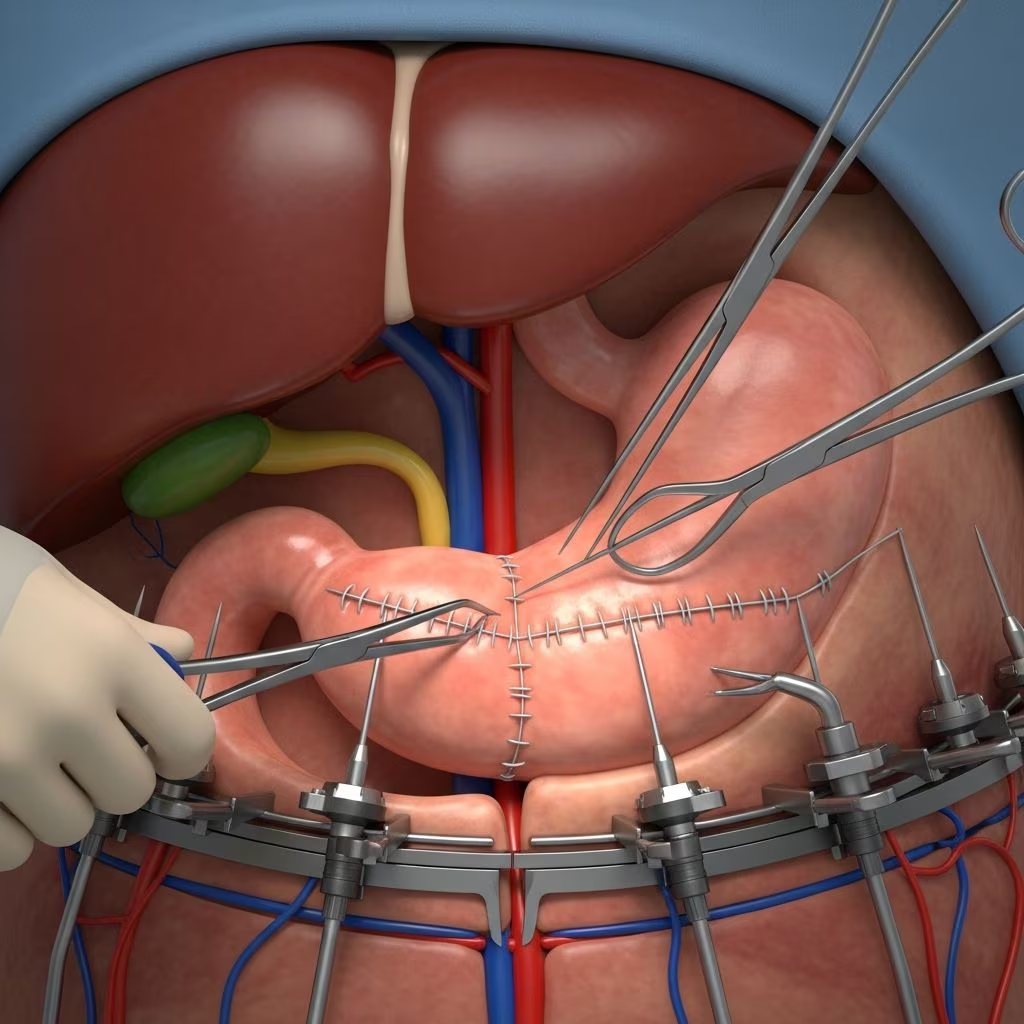
Laparoscopic gastropexy is a minimally invasive surgical technique that attaches a dog’s stomach to the abdominal wall, preventing the deadly condition known as gastric dilatation-volvulus (GDV), or bloat. This procedure is especially vital for large and giant breed dogs, offering a proactive defense against a medical emergency that claims lives annually.
Understanding Gastric Dilatation-Volvulus (GDV)
GDV occurs when a dog’s stomach fills with gas and rotates, trapping blood flow and causing rapid shock. Deep-chested breeds face the highest risk, with mortality rates up to 30% even with treatment. Symptoms include unproductive retching, swollen abdomen, and collapse, demanding immediate surgery.
Prophylactic gastropexy eliminates the volvulus risk by securing the stomach, though it does not prevent dilatation. Studies confirm it as the gold standard prevention, recommended for breeds over six months old.
High-Risk Breeds and Factors
Certain dogs are predisposed due to anatomy and genetics:
- Great Danes
- Irish Wolfhounds
- German Shepherds
- Standard Poodles
- Saint Bernards and other deep-chested giants
Factors like stress, large meals, exercise post-eating, or first-degree relatives with GDV elevate danger. Owners of these breeds should consult vets for early intervention.
Traditional vs. Laparoscopic Gastropexy
| Aspect | Traditional Open Surgery | Laparoscopic Gastropexy |
|---|---|---|
| Incisions | 10-12 inch abdominal cut | Two small ports (0.5-1 cm) |
| Recovery Time | Weeks | Days |
| Pain Level | Higher, more meds needed | Lower, minimal discomfort |
| Complications | Infection, dehiscence risk | Reduced morbidity |
| Procedure Time | 1-2 hours | 35-45 minutes |
Laparoscopy uses a camera and instruments through tiny incisions for precision, reducing trauma and hospital stays.
Step-by-Step Procedure Overview
Under general anesthesia, the process unfolds:
- Incision and Access: A small cut near the umbilicus admits the laparoscope; another behind the last rib allows instruments.
- Visualization: CO2 insufflation expands the abdomen for clear views of the stomach antrum.
- Grasping and Suturing: The pyloric antrum is gripped, pulled to the right wall, and secured with permanent sutures, often incisional or barbed for adhesion.
- Verification: The scope confirms attachment before closure.
Advanced variants like total laparoscopic use knotless sutures for speed and safety. It pairs seamlessly with spays, neuters, or cryptorchidectomies.
Advantages of Minimally Invasive Approach
- Faster Healing: Dogs resume eating and activity within 24-48 hours.
- Less Pain: Smaller wounds mean fewer analgesics and quicker mobility.
- Precision: Magnified imaging ensures accurate placement, lowering recurrence.
- Cost-Effective Long-Term: Avoids emergency GDV costs exceeding $5,000.
- Low Complication Rate: Studies report success in 39 cases with minimal issues.
Potential Risks and Complications
Though safe, risks include anesthesia reactions, minor bleeding, or suture failure (rare, <1%). Infection is minimal due to small incisions. Long-term follow-ups show durable adhesions without GDV recurrence. Pre-op bloodwork and monitoring mitigate issues.
Preparation for Surgery
Owners receive guidelines:
- 8-12 hour fast.
- Pre-anesthetic exams and labs.
- Discuss concurrent procedures.
Puppies from 6 months qualify; healthy adults ideal candidates.
Post-Operative Care Instructions
Recovery emphasizes:
- Rest: E-collar, crate confinement 7-10 days.
- Diet: Small, frequent meals; no exercise 2 weeks.
- Monitoring: Check incision for swelling, limit jumping.
- Follow-Ups: Suture removal at 10-14 days; scope check optional.
Most dogs return to normal in 1-2 weeks, with full strength by month-end.
Cost Considerations and Insurance
Expect $1,500-$3,000, varying by location and combos. Pet insurance often covers prophylactic work; check breed-specific riders. Proactive investment trumps GDV emergencies.
Success Rates and Veterinary Evidence
Prophylactic gastropexy yields near-100% GDV prevention for volvulus. Laparoscopic methods match open efficacy with superior recovery; a PMC study on 39 dogs confirmed safety and adhesion formation. Purdue and Clinician’s Brief endorse for at-risk breeds.
Frequently Asked Questions (FAQs)
Is gastropexy right for my dog?
Yes, for deep-chested breeds over 6 months or with family history.
How long does recovery take?
Activity resumes in days; full normalcy in 2 weeks.
Can it be done with spaying?
Absolutely, combining saves anesthesia events.
What if my dog already bloated once?
Gastropexy during/after emergency surgery prevents recurrence.
Does it prevent all bloat?
No dilatation prevention, but stops deadly twisting.
Choosing a Qualified Surgeon
Seek board-certified surgeons with laparoscopy experience. Facilities with advanced equipment ensure best outcomes. Consult for breed assessments.
References
- Laparoscopic-Assisted Gastropexy – Nashville Veterinary Specialists — Nashville Veterinary Specialists. 2023. https://www.nashvillevetspecialists.com/articles/laparoscopic-assisted-gastropexy-to-prevent-gdv
- Laparoscopic Gastropexy – Smart Approach Veterinary Services — Smart Approach Veterinary Services. 2023. https://www.smartapproachvet.com/preventative-laparoscopic-gastropexy
- Laparoscopic Gastropexy for the Prevention of GDV in Dogs — Veterinary Specialty. 2023. https://www.vetspecialty.com/specialties/surgery/laparoscopic-gastropexy-for-the-prevention-of-gdv/
- Prophylactic laparoscopic procedures — Purdue University Veterinary Hospital. 2023-01-01. https://vet.purdue.edu/hospital/small-animal/documents/soft-tissue-surgery/2023-PUVH-Laparoscopic%20assisted%20pexy_spay.pdf
- Outcomes and Complications in a Case Series of 39 Total Laparoscopic Gastropexy — PMC (PubMed Central). 2021-02-24. https://pmc.ncbi.nlm.nih.gov/articles/PMC7909519/
- Laparoscopic Gastropexy – Seattle Veterinary Associates — Seattle Veterinary Associates. 2023. https://www.seattlevetassoc.com/laparoscopic-gastropexy/
- Open & Laparoscopic-Assisted Incisional Gastropexy — Clinician’s Brief. 2023. https://www.cliniciansbrief.com/article/open-laparoscopic-assisted-incisional-gastropexy



