
Laminitis In Horses: 4 Essential Treatment Strategies
Comprehensive guide to understanding, preventing, and treating laminitis in horses for optimal hoof health and recovery.
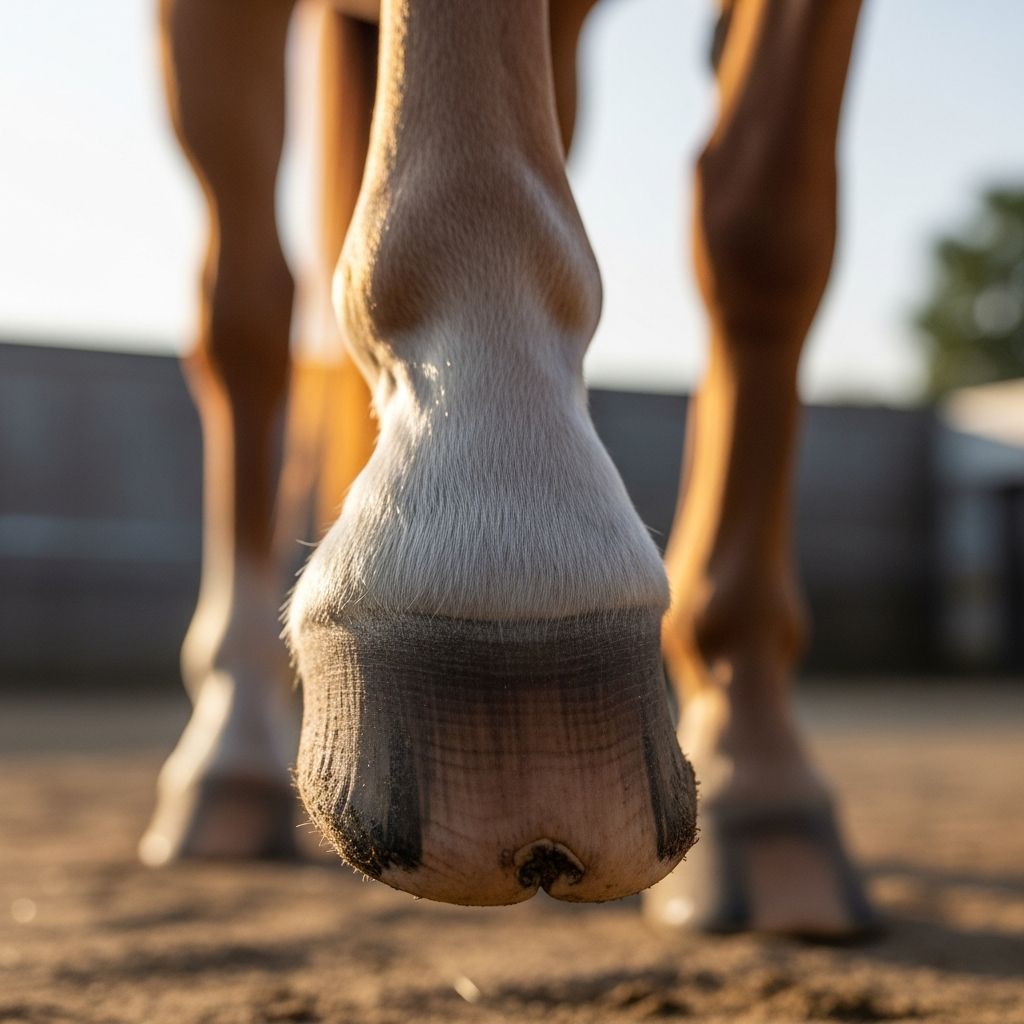
Laminitis represents one of the most serious and painful disorders affecting the hooves of horses, involving inflammation and weakening of the laminae—the sensitive tissues connecting the hoof wall to the coffin bone. This condition can lead to severe lameness, rotation or sinking of the coffin bone, and in extreme cases, euthanasia if not managed promptly. Early recognition and intervention are vital to mitigate damage and support recovery.
Recognizing the Signs of Laminitis
Horses suffering from laminitis often display distinct behavioral and physical indicators. Owners should monitor for warm hooves, a bounding digital pulse in the arteries near the fetlock, and reluctance to move, often described as walking on eggshells. Affected horses typically adopt a characteristic stance with forelegs stretched forward and hind legs tucked underneath to shift weight off the painful front hooves. Other signs include lameness that worsens on hard surfaces, growth rings on the hoof wall in chronic cases, depression, and reduced appetite.
- Acute symptoms: Sudden onset of severe pain, heat in hooves, strong pulse, and limited mobility.
- Chronic indicators: Recurrent lameness, hoof deformities like flared walls or dropped soles, and persistent low-grade discomfort.
Regular hoof palpation and observation during turnout can help detect these changes early, improving outcomes significantly.
Primary Causes and Risk Factors
Laminitis arises from multiple triggers, broadly categorized into metabolic, inflammatory, and mechanical types. Dietary excesses, particularly high-sugar grasses or grains, disrupt carbohydrate metabolism, especially in horses prone to Equine Metabolic Syndrome (EMS) or Pituitary Pars Intermedia Dysfunction (PPID, or Cushing’s disease). These conditions involve insulin resistance and hormonal imbalances that weaken laminar tissues.
Inflammatory causes stem from systemic issues like grain overload, colic, retained placenta, or infections leading to endotoxemia, which compromises blood flow to the laminae. Mechanical overload occurs when a horse favors one limb due to injury, causing excessive stress on the supporting hoof, or from road founder due to hard surfaces.
| Type | Common Triggers | High-Risk Horses |
|---|---|---|
| Metabolic/Endocrinopathic | Sugar-rich pasture, EMS, PPID | Ponies, overweight breeds, seniors |
| Sepsis-Related | Colic, infections, grain engorgement | Horses post-surgery or illness |
| Supportive Limb | Contralateral injury, stall rest | Any horse with limb trauma |
Obesity exacerbates all types, doubling laminitis risk through added mechanical strain.
Pathophysiology: How Laminitis Develops
The laminae act as a suspension system for the coffin bone within the hoof capsule. In laminitis, inflammation triggers enzymatic breakdown (e.g., matrix metalloproteinases), leading to stretching, separation, and potential bone displacement. Acute cases show rapid laminar failure within 24-48 hours, while chronic forms involve remodeling and fibrosis.
Endothelial dysfunction reduces perfusion, causing ischemia, while inflammatory cytokines amplify damage. In endocrinopathic cases, hyperinsulinemia directly impairs laminar cells. Understanding this process guides targeted therapies like cryotherapy to halt progression.
Immediate Response and Veterinary Intervention
Upon suspicion, restrict movement to a deep-bedded stall with sand or shavings to minimize hoof stress. Contact a veterinarian immediately for radiographs to assess coffin bone position and digital pulse evaluation.
Treatment prioritizes halting progression: remove triggers (e.g., lush pasture), administer NSAIDs like phenylbutazone for pain and inflammation, and initiate cryotherapy by immersing hooves in ice water to maintain temperatures below 10°C for 48 hours, proven to reduce MMP-2 expression and inflammation.
Core Treatment Strategies
- Pain Control: Phenylbutazone or flunixin meglumine as first-line; monitor for gastrointestinal side effects.
- Hoof Support: Farrier intervention with heart-bar shoes, pads, or frog supports to redistribute weight.
- Nutritional Management: Switch to low-NSC hay (<12% non-structural carbohydrates), ration balancers; avoid grains.
- Underlying Cause Therapy: Pergolide for PPID, antibiotics for sepsis, fluids for endotoxemia.
Regular X-rays guide adjustments, aiming for laminar realignment over weeks to months.
Long-Term Management and Rehabilitation
Chronic laminitis requires ongoing care: controlled exercise on soft surfaces, weight monitoring via body condition scoring, and metabolic screening. Horses with EMS benefit from metformin or levothyroxine alongside diet. Farrier visits every 4-6 weeks maintain hoof balance.
Rehabilitation involves gradual turnout, starting with muzzled grazing to limit fructan intake, especially in spring/fall when sugars peak. Success hinges on owner-vet-farrier teamwork.
Prevention: Key Practices for At-Risk Horses
Proactive steps slash incidence: maintain ideal weight, test hay for NSC, use grazing muzzles, and screen for EMS/PPID via bloodwork annually for easy-keepers. Avoid sudden feed changes, limit stall rest duration with supportive limb risks, and vaccinate against infections.
- Fat scoring monthly to catch weight gain early.
- Safe turnout: dawn/dry grass grazing or track systems.
- Mineral-balanced, low-starch feeds only.
Prognosis and Complications
Mild cases with prompt care often recover fully within months, but severe rotation (>12 degrees) or sinking worsens outlook, with 40-50% euthanasia rates in founder cases. Chronic pain and abscesses are common sequelae.
Timely intervention boosts survival; endocrinopathic forms respond well to lifelong management.
Frequently Asked Questions (FAQs)
What is the first sign of laminitis in horses?
Hooves that feel warmer than usual, paired with a strong digital pulse and shifting weight.
Can laminitis be cured completely?
Acute episodes can resolve with treatment, but chronic damage may require lifelong management.
Is grass dangerous for laminitic horses?
High-sugar grass is a top trigger; use muzzles or restrict access during high-risk seasons.
How does obesity contribute to laminitis?
It doubles risk by increasing insulin resistance and hoof load.
What role does ice play in treatment?
Cryotherapy vasoconstricts vessels, limiting inflammatory mediators for 48+ hours.
Holistic Care for Laminitic Horses
Beyond medical interventions, environmental enrichment reduces stress, aiding recovery. Supplements like omega-3s show promise for inflammation, but consult vets first. Track progress with hoof photos and gait videos for objective monitoring.
Maintaining a lean body condition through exercise tracks or slow feeders prevents recurrence. For breeding operations, screen mares post-foaling for retained placenta risks.
References
- Laminitis in horses: symptoms, treatment, and feed — Hartog. Accessed 2026. https://hartog.eu/en/articles/laminitis-in-horses-symptoms-treatment-and-feed/
- Understanding and Managing Laminitis in Horses — RVS Vet. Accessed 2026. https://rvsvet.com/understanding-and-managing-laminitis-in-horses/
- Tips for Preventing and Managing Pasture Laminitis in Horses — University of Georgia CAES. 2025-08. https://equine.caes.uga.edu/2025/08/tips-for-preventing-and-managing-pasture-laminitis-in-horses/
- The management of equine acute laminitis — PMC/NIH (Peer-reviewed). 2018. https://pmc.ncbi.nlm.nih.gov/articles/PMC6067769/
- Laminitis In Horses — Blue Cross. Accessed 2026. https://www.bluecross.org.uk/advice/horse/health-and-injuries/laminitis-in-horses
- Laminitis — UC Davis School of Veterinary Medicine (.edu). Accessed 2026. https://ceh.vetmed.ucdavis.edu/health-topics/laminitis
- Emergency Treatment — The Laminitis Site. Accessed 2026. https://www.thelaminitissite.org/emergency-treatment.html
- Laminitis In Horses: Causes & Treatment — British Horse Society. Accessed 2026. https://www.bhs.org.uk/horse-care-and-welfare/health-care-management/horse-health/equine-diseases/laminitis/
Similar Articles








Read full bio of Sneha Tete


