

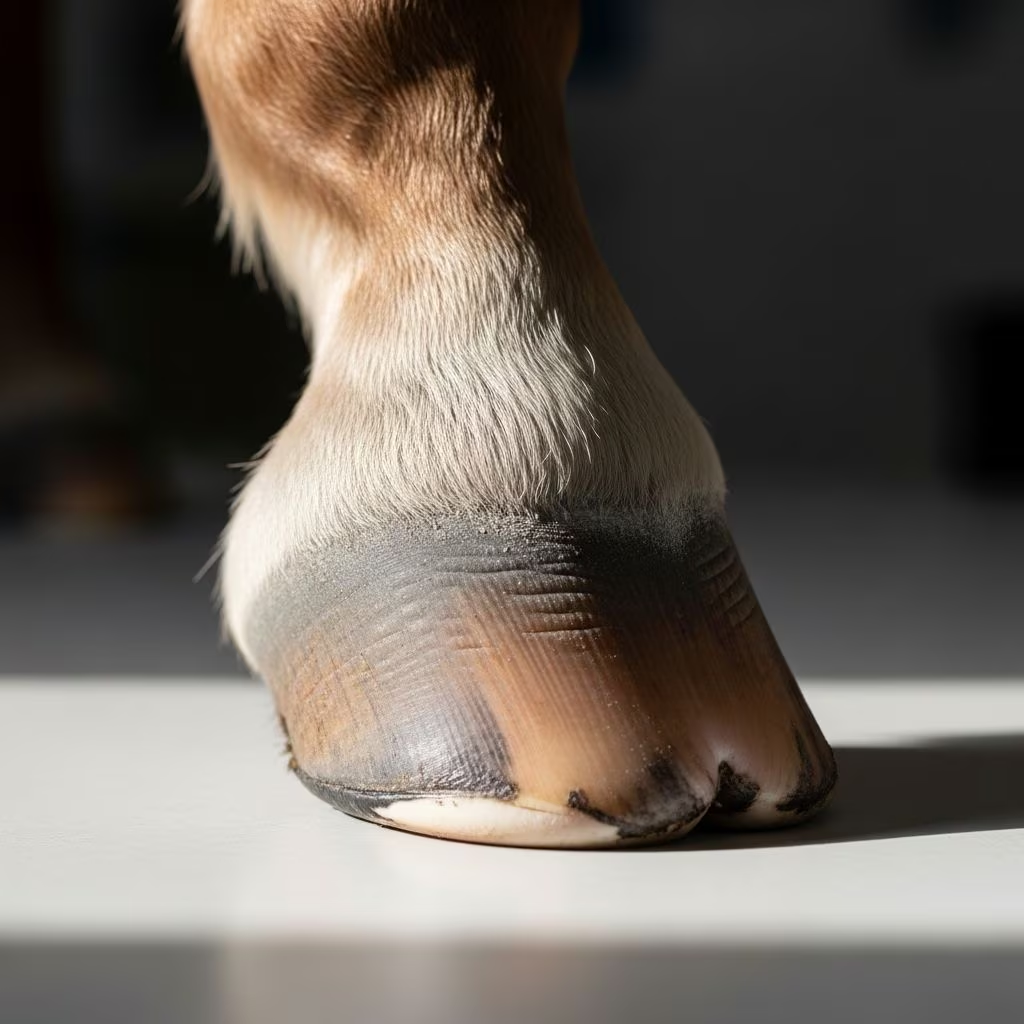
Understanding Laminitis in Horses
Laminitis is one of the most serious and painful conditions affecting horses today, impacting approximately 1 in 10 horses and ponies annually. This condition involves inflammation of the sensitive tissue, known as the laminae, which are tiny interlocking structures that attach the hoof wall to the underlying bone. When these delicate structures become inflamed or separate, the coffin bone can rotate or sink within the hoof, causing extreme pain and potentially permanent damage to the foot. Understanding laminitis is crucial for any horse owner, as early recognition and prompt treatment can dramatically improve outcomes and prevent long-term complications.
What Causes Laminitis in Horses
Laminitis can develop from various causes, and identifying the underlying trigger is essential for effective treatment. The condition generally falls into several categories, each requiring different management approaches.
Endocrinopathic Laminitis
Hormonal imbalances represent the most common cause of laminitis in horses. The primary endocrine conditions associated with laminitis are:
Equine Cushing’s Disease (PPID)
Pituitary pars intermedia dysfunction, formerly known as Equine Cushing’s syndrome, is a hormonal disorder that typically affects older horses. This condition develops when a growth in the pituitary gland produces excessive hormones, particularly adrenocorticotropic hormone (ACTH). The resulting hormonal imbalance can trigger laminitis, along with other systemic signs such as excessive hair growth, abnormal fat deposits, weight loss, and lethargy.
Equine Metabolic Syndrome (EMS)
EMS is characterized by insulin resistance, where the horse’s body cannot properly utilize insulin despite adequate production. Obesity is the number one risk factor for EMS and founder in horses, particularly in animals over fifteen years of age. Horses with EMS may appear overweight and are especially vulnerable to laminitis when grazing on high-sugar grasses or consuming high-carbohydrate feeds.
Mechanical Causes
Laminitis can also develop from mechanical stress on the hoof structures. Support limb laminitis occurs when excessive weight is placed on one limb while the opposite leg recovers from serious injury such as a tendon tear or bone fracture. Road founder, resulting from galloping on extremely hard surfaces, can also trigger this painful condition.
Secondary Laminitis
Severe systemic illness can precipitate laminitis development. Conditions such as colic, severe diarrhea, pneumonia, or mares retaining their placenta for extended periods can all result in secondary laminitis. Grain overload represents an acute veterinary emergency, as horses that break into feed storage and consume excessive grain or other concentrated feeds can develop severe laminitis similar to that seen with systemic illness.
Medication-Related Causes
Prolonged or aggressive use of corticosteroids to treat immune disorders, including skin allergies and heaves, can contribute to laminitis development. These medications, while necessary for managing certain conditions, can trigger lamellar damage through mechanisms believed to involve disrupted insulin function.
Recognizing the Symptoms of Laminitis
Early recognition of laminitis symptoms is vital for prompt treatment and improved prognosis. Horses showing signs of laminitis require immediate veterinary attention.
Early and Acute Signs
The classic presentation of laminitis includes lameness at the walk, reluctance to move, and the characteristic “sawhorse stance,” where horses position their front legs extended forward to shift weight away from the painful hooves. Additional early signs include:
- Heat in the hooves or hoof bands
- Increased digital pulse (pulses palpable in the arteries of the lower leg)
- Reluctance to bear weight on affected limbs
- Pain when hoof testers are applied to the sole
- Stiffness or shortened stride
Chronic and Severe Signs
In chronic cases or when laminitis progresses without appropriate treatment, horses may exhibit more severe symptoms. Severe laminitis can present with the horse frequently lying down and refusing to rise due to overwhelming pain. Elevated heart and respiratory rates combined with decreased appetite often accompany severe pain. In the most critical cases, the pedal bone can protrude through the sole of the hoof, or the hoof can completely separate from the sensitive lamellae, causing the horse to potentially walk out of its hooves.
Signs of Endocrine-Related Laminitis
Horses with endocrinopathic laminitis may show additional systemic signs. With PPID, horses often display a characteristic long, curly hair coat that fails to shed normally in spring. Other indicators include delayed hair coat shedding, weight loss despite adequate feeding, frequent urination, and recurrent infections such as foot abscesses, skin infections, or pneumonia.
Diagnosing Laminitis in Your Horse
Accurate diagnosis is essential for developing an appropriate treatment plan. Veterinarians employ multiple diagnostic approaches to confirm laminitis and identify its underlying cause.
Physical Examination
The veterinary evaluation begins with a thorough physical examination, including assessment of gait, stance, and response to hoof testers applied to various areas of the sole. Increased digital pulses and heat in the hoof region are important diagnostic indicators. The veterinarian will also evaluate the overall body condition and look for signs of systemic disease.
Radiographic Imaging
X-rays of the affected hooves are crucial for assessing the severity of lamellar damage and detecting coffin bone rotation or sinking. Radiographs serve as a baseline for monitoring progression and evaluating treatment response. Routine hoof x-rays are particularly important for chronic cases to track changes in bone position.
Blood Work and Endocrine Testing
Blood tests help identify underlying endocrine disorders and other systemic causes of laminitis. Testing for PPID involves measuring resting ACTH levels or performing a thyrotropin-releasing hormone (TRH) stimulation test. EMS diagnosis typically involves assessment of insulin and glucose levels, often through an oral glucose tolerance test or combined glucose-insulin test.
Treatment Options for Laminitis
Successful laminitis management requires a multi-faceted approach addressing both acute pain and inflammation while treating underlying causes. The specific treatment protocol depends on laminitis severity and the identified cause.
Acute Phase Treatment
During the acute phase, aggressive anti-inflammatory therapy forms the cornerstone of treatment. This typically includes:
- Non-steroidal anti-inflammatory drugs (NSAIDs) such as phenylbutazone or flunixin to control pain and reduce inflammation
- Continuous cooling or icing of the feet, which can significantly decrease inflammation and pain
- Specialized shoeing or therapeutic booting to support the frog and sole
- Strict stall rest on deep sand bedding to support the foot and minimize rotation
- Sling support during standing in severe cases to reduce weight-bearing stress
Chronic Phase Management
Horses with chronic laminitis require long-term treatment focused on restoring lamellar support structures and preventing recurrence. Management strategies include:
- Continued long-term NSAID therapy to maintain comfort
- Gradual shoeing or trimming adjustments to restore proper hoof balance
- Ongoing therapeutic support through specialized shoeing or booting
- Regular hoof x-rays to monitor progress and detect early signs of recurrence
- Surgical intervention in select cases to relieve tension on damaged lamellae
Managing Underlying Conditions
Because founder often results from another disease or injury, resolving the initiating cause is critical for successful treatment. For horses with endocrinopathic laminitis, treatment focuses on managing the underlying hormonal disorder. Horses with PPID require daily medication with pergolide to control hormone production, along with annual blood testing to ensure adequate treatment. Pergolide doses may need adjustment as horses age to maintain hormone concentrations within normal ranges.
For EMS, treatment emphasizes significant dietary management and weight loss when necessary. Decreasing carbohydrates in the diet is shown to substantially reduce founder episodes in susceptible horses. Additionally, weight loss in obese horses is a key factor in veterinary treatment plans. Specific medications such as Prascend, InsulinWise, or Thyro-L may be recommended to address metabolic dysfunction.
Dietary Modifications
Dietary management plays a crucial role in laminitis treatment and prevention. Horses with EMS or PPID should be transitioned to low-carbohydrate feeds and may benefit from restricted grazing, particularly during spring and fall when grass sugar content peaks. Obesity compounds both metabolic syndromes, making weight management an essential component of the treatment plan.
Prognosis and Long-Term Outcomes
The prognosis for laminitis depends significantly on the severity of lamellar damage and the promptness of treatment initiation. Most horses with mild cases of laminitis are able to return to athletic activity after appropriate treatment and rehabilitation. Moderate cases of laminitis are unlikely to resume an athletic career but can often be kept comfortable in retirement with proper management.
Both mild and moderate cases require long-term follow-up and monitoring to identify any future laminitic episodes quickly. Horses with endocrinopathic laminitis require extensive management to prevent laminitic episodes from recurring. Many geriatric horses with PPID can become useful athletes again with adequate, successful treatment.
In severe cases where extensive lamellar damage has occurred and the horse experiences chronic pain unresponsive to treatment, euthanasia may be the most humane treatment option. This difficult decision should be made in consultation with an equine veterinarian who can assess the horse’s quality of life and pain management prospects.
The Importance of Veterinary and Farrier Collaboration
Close collaboration between your veterinarian and farrier is essential, especially in more advanced or recurring cases of laminitis. These professionals work together to develop tailored, individualized treatment plans that address both pain relief and structural support. Regular communication ensures that farrier interventions complement veterinary treatments and that changes are monitored for effectiveness.
Frequently Asked Questions About Laminitis
Q: How quickly does laminitis develop?
A: Laminitis can develop acutely over hours to days, particularly in cases of grain overload or secondary to severe systemic illness. Endocrinopathic laminitis typically develops more gradually but can also present acutely during metabolic crises.
Q: Can laminitis be prevented?
A: While laminitis cannot always be prevented, risk can be significantly reduced through weight management in obese horses, limiting access to high-carbohydrate feeds, early diagnosis and treatment of PPID and EMS, and prompt veterinary attention to systemic illnesses and injuries.
Q: Is laminitis painful?
A: Yes, laminitis is extremely painful. The separation or inflammation of the laminae, which are highly sensitive tissue, causes severe pain that can dramatically impact a horse’s quality of life and comfort level.
Q: What should I do if I suspect my horse has laminitis?
A: Contact your veterinarian immediately. Early intervention significantly improves outcomes. Restrict movement, provide deep bedding, and avoid strenuous exercise while awaiting veterinary evaluation.
Q: How often should horses with chronic laminitis have their hooves x-rayed?
A: Routine hoof x-rays should be taken periodically to monitor progress and detect any signs of recurrence or progression. Your veterinarian will recommend an appropriate frequency based on your horse’s specific condition.
Q: Can horses with laminitis return to work?
A: Most horses with mild laminitis can return to athletic activity after appropriate treatment and rehabilitation. Moderate cases typically cannot resume athletic careers but can often enjoy comfortable retirement with proper management.
References
- Laminitis in Horses – Causes, Treatment and Associated Conditions — Vetster. 2024. https://vetster.com/en/conditions/horse/laminitis
- What causes laminitis in horses and how is it treated? — UQ VETS Equine Specialist Hospital. 2024. https://uqvets.com.au/equine-specialist-hospital/general-advice/what-causes-laminitis-horses-and-how-it-treated
- Laminitis In Horses: Causes & Treatment — British Horse Society. 2024. https://www.bhs.org.uk/horse-care-and-welfare/health-care-management/horse-health/equine-diseases/laminitis/
- Laminitis in Horses (Founder) – PetMD — PetMD. 2024. https://www.petmd.com/horse/conditions/musculoskeletal/laminitis-horses-founder
- Laminitis In Horses — Blue Cross. 2024. https://www.bluecross.org.uk/advice/horse/health-and-injuries/laminitis-in-horses
- Laminitis — School of Veterinary Medicine, University of California, Davis. 2024. https://ceh.vetmed.ucdavis.edu/health-topics/laminitis
- Laminitis in Horses — American College of Veterinary Surgeons. 2024. https://www.acvs.org/large-animal/laminitis-in-horses/



