

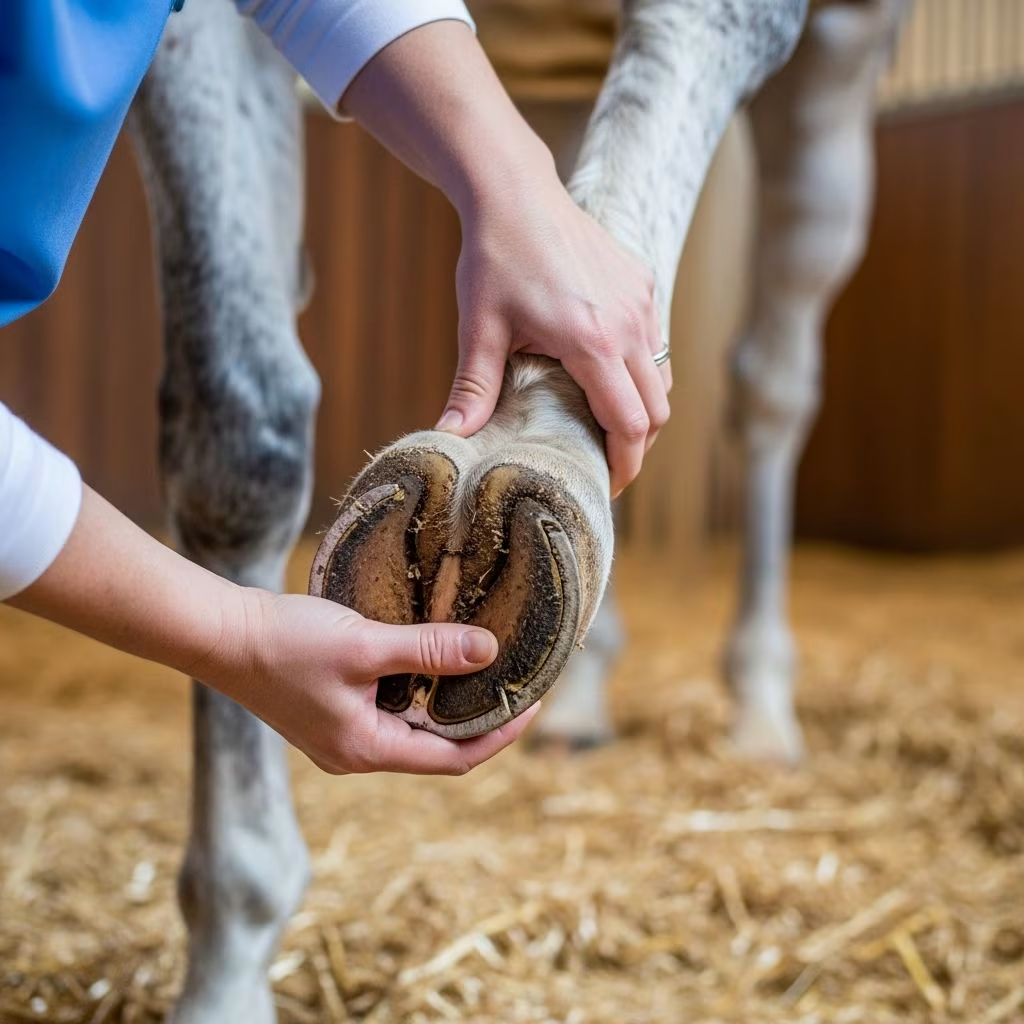
Laminitis, commonly known as founder, is a debilitating hoof condition in horses where the sensitive laminae tissues inflame and separate, potentially leading to severe lameness or even euthanasia in extreme cases. Early intervention through symptom recognition, targeted treatments, and lifestyle adjustments can greatly improve outcomes and prevent recurrence.
Understanding the Anatomy of Laminitis
The horse’s hoof relies on delicate laminae—interlocking tissues that suspend the coffin bone (P3) within the hoof wall. When these laminae weaken due to inflammation, the bone can rotate or sink, causing excruciating pain and structural damage. This process often stems from disrupted blood flow, enzymatic breakdown, or mechanical stress on the hoof.
Acute laminitis strikes rapidly, often from a single event like overeating grain, while chronic cases build from repeated insults or unmanaged underlying issues. Both forms demand prompt veterinary attention to minimize permanent harm.
Primary Causes of Laminitis
Laminitis arises from multiple pathways, with endocrinopathic forms being the most prevalent today. Key triggers include:
- Endocrine Disorders: Equine Metabolic Syndrome (EMS) involves insulin resistance, mimicking human type 2 diabetes, while Pituitary Pars Intermedia Dysfunction (PPID, formerly Cushing’s) causes hormonal imbalances. These conditions, often linked to obesity or genetics, heighten susceptibility to founder, especially in horses over 15 years old.
- Grain Overload or Dietary Excess: Sudden access to high-starch feeds like grains or lush pasture spikes blood sugar and insulin, damaging laminae. This is an emergency requiring immediate veterinary care.
- Systemic Illness: Conditions such as colic, retained placenta in mares, pneumonia, or diarrhea release endotoxins that inflame the entire body, including hooves.
- Mechanical Factors: Overloading one limb due to injury on the opposite leg, or ‘road founder’ from hard-surface galloping, strains unsupported hooves.
Obesity exacerbates risks across categories, as excess weight pressures the laminae continuously.
Recognizing Early Warning Signs
Detecting laminitis early is critical for halting progression. Common indicators include:
- Bounding digital pulses and warm hooves, signaling inflammation.
- Painful gait, as if walking on hot coals, with reluctance to move or turn.
- Classic stance: front feet thrust forward, hind feet tucked under to shift weight.
- Rings or distortions on hoof walls in chronic cases, plus lethargy and reduced appetite.
| Symptom | Acute Presentation | Chronic Presentation |
|---|---|---|
| Hoof Temperature | Noticeably warm | May normalize but with growth rings |
| Mobility | Severe lameness, lying down often | Intermittent lameness, reluctance to trot |
| Stance | Front legs extended, hind under body | Persistent abnormal posture |
| Appetite | Depressed | Variable, often with weight issues |
Owners should palpate hooves daily and monitor at-risk horses closely, especially during spring grass growth.
Immediate Response to Suspected Laminitis
Upon noticing signs, confine the horse to a stable with deep bedding like sand or straw to reduce hoof stress. Remove access to pasture or grain immediately. Call a veterinarian without delay—delays can lead to rotation of the coffin bone, worsening prognosis.
For grain overload, symptoms mimic severe illness; expect aggressive decontamination.
Core Treatment Strategies
Treatment prioritizes stabilizing the laminae, managing pain, and addressing root causes. Evidence-based approaches include:
- Cryotherapy: Immerse hooves in ice water (below 10°C) continuously for 48 hours to curb inflammation and enzymatic damage. This is a cornerstone for acute cases.
- Pain Control: NSAIDs like phenylbutazone (bute) or flunixin provide relief and reduce swelling. Monitor for side effects like gastric ulcers.
- Hoof Support: Farriers apply specialized shoes, pads, or boots to redistribute weight and promote alignment. Regular trims prevent flare growth.
- Addressing Primary Disease: Treat infections with fluids, antibiotics, or anti-endotoxins; manage EMS/PPID with pergolide or metformin.
- Nutritional Overhaul: Switch to low-NSC hay (<12% non-structural carbs: sugars, starch, fructans). Avoid grains; use ration balancers.
Biomechanical optimization via corrective farriery is vital post-acute phase.
Nutritional Management for Recovery and Prevention
Diet is pivotal. Post-episode, provide soaked low-sugar hay and vitamin/mineral supplements without added carbs. Track body condition score to combat obesity—ideal is 5/9.
Grazing protocols:
- Use muzzles to limit intake on rich pastures.
- Graze early morning or after frost when sugars are lowest.
- Dry lot turnout with tested hay mimics natural foraging safely.
Preventing Recurrence in At-Risk Horses
High-risk profiles include obese ponies, PPID seniors, or EMS-diagnosed equines. Proactive steps:
- Annual blood tests for insulin, ACTH to catch imbalances early.
- Weight management via exercise on soft surfaces and calorie control.
- Slow dietary transitions, especially seasonally.
- Regular farrier visits and hoof radiographs for monitoring.
Vaccinations and deworming reduce secondary illness risks.
Prognosis and Long-Term Outlook
With swift care, many horses recover fully from mild cases. Severe rotation or sinking carries guarded prognosis, but multidisciplinary teams (vet, farrier, nutritionist) boost survival rates. Chronic laminitis requires lifelong vigilance, yet horses can return to light work.
Fatal outcomes occur mainly from untreated extremes, underscoring prevention’s role.
Frequently Asked Questions (FAQs)
What is the fastest way to treat acute laminitis?
Initiate cryotherapy, administer NSAIDs per vet direction, and provide deep bedding immediately while awaiting professional assessment.
Can laminitis be cured completely?
Acute episodes often resolve with proper care, but chronic cases need ongoing management to control symptoms and prevent flares.
Is lush spring grass dangerous for all horses?
Primarily for those with EMS or PPID; test hay and use muzzles for susceptible individuals.
How do I test for underlying endocrine issues?
Vets use basal insulin, glucose, and ACTH tests; dynamic tests confirm insulin dysregulation.
What’s the role of exercise in prevention?
Regular, low-impact movement aids insulin sensitivity and weight control, but avoid hard surfaces during recovery.
References
- Laminitis in horses: symptoms, treatment and feed — Hartog. Accessed 2026. https://hartog.eu/en/articles/laminitis-in-horses-symptoms-treatment-and-feed/
- What causes laminitis in horses and how is it treated? — UQ Vets Equine Specialist Hospital. Accessed 2026. https://uqvets.com.au/equine-specialist-hospital/general-advice/what-causes-laminitis-horses-and-how-it-treated
- The management of equine acute laminitis — PMC (Peer-reviewed). 2018-07-31. https://pmc.ncbi.nlm.nih.gov/articles/PMC6067769/
- Laminitis in Horses (Founder) — PetMD. Accessed 2026. https://www.petmd.com/horse/conditions/musculoskeletal/laminitis-horses-founder
- Laminitis in Horses — Merck Veterinary Manual. Accessed 2026. https://www.merckvetmanual.com/musculoskeletal-system/disorders-of-the-foot-in-horses/laminitis-in-horses



