

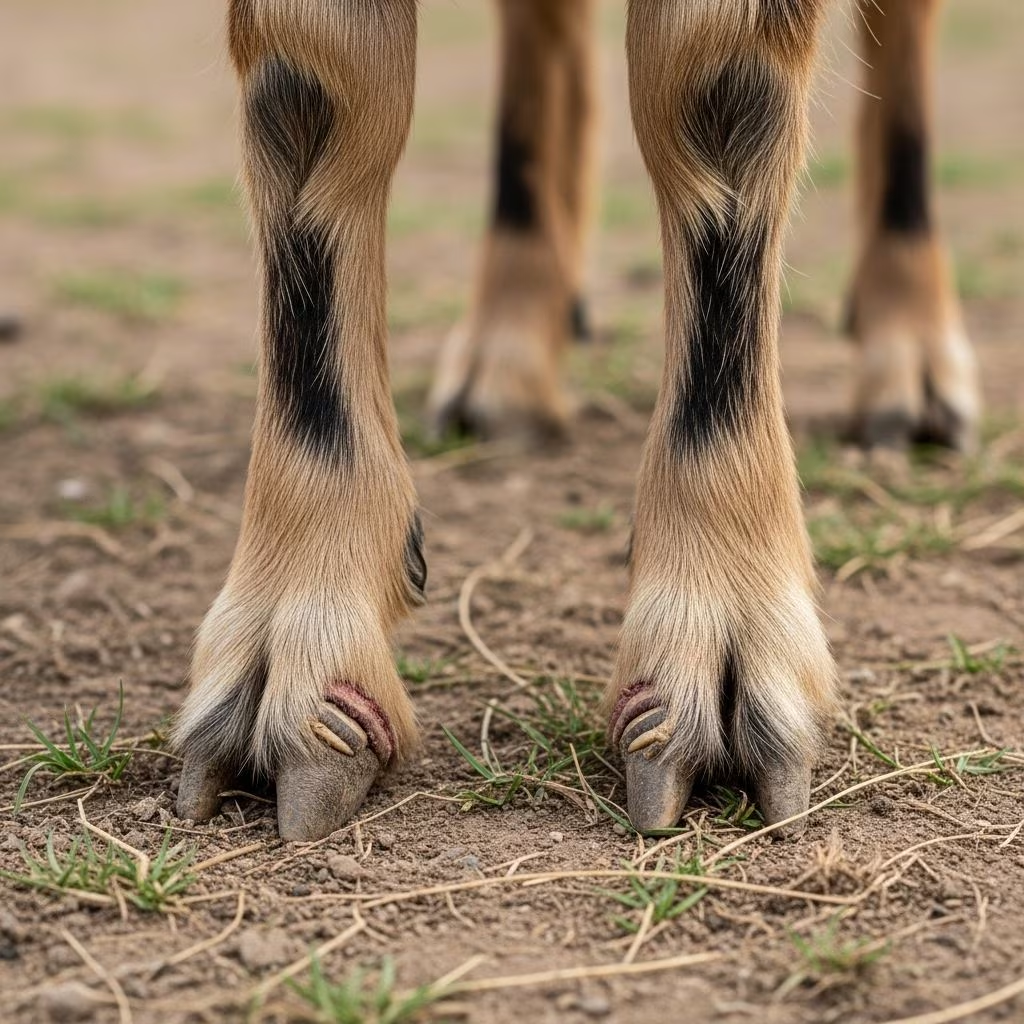
Laminitis represents a significant challenge for goat owners, manifesting as inflammation in the sensitive tissues inside the hoof. This condition disrupts normal mobility and can lead to long-term structural changes if not addressed promptly. Understanding its origins, manifestations, and interventions is crucial for maintaining herd health.
Understanding the Anatomy of Goat Hooves
Goat hooves consist of a hard outer wall enclosing delicate laminae—interlocking tissues that suspend the bone within the hoof capsule. These laminae rely on a steady blood supply for nourishment and structural integrity. When inflammation strikes, swelling compresses blood vessels, causing pain and potential tissue damage. The corium, a vascular layer beneath the hoof wall, also plays a key role in horn production. Disruptions here lead to abnormal growth patterns over time.
Primary Causes of Laminitis
Several factors precipitate laminitis, often linked to dietary excesses or systemic illnesses. Overconsumption of high-energy feeds like grains or lush pasture ferments rapidly in the rumen, producing acids that enter the bloodstream and impair hoof circulation. Bacterial toxins from infections such as mastitis, metritis, or pneumonia similarly trigger vascular compromise.
Prolonged overfeeding without balanced roughage fosters subclinical forms, where changes brew undetected. Breeds like Nubians and Pygmies show genetic susceptibility, amplifying risks in intensive management. Sudden ration shifts or heavy concentrate reliance exacerbate vulnerabilities, particularly post-kidding.
Recognizing Acute Laminitis Symptoms
Acute episodes strike suddenly, with goats displaying reluctance to bear weight on affected feet. Common signs include:
- Tenderness in front hooves, prompting knee-walking or weight-shifting.
- Hot coronet bands contrasting cold toes, indicating circulatory distress.
- Teeth grinding, fever, and reduced milk yield signaling systemic pain.
- All four feet potentially involved in severe cases.
Owners often notice goats lying down excessively or adopting arched-back postures to relieve forefoot pressure. Prompt recognition prevents progression to chronic stages.
Subclinical and Chronic Laminitis: Hidden Threats
Subclinical laminitis evades notice, lacking overt lameness yet causing subtle hoof alterations. Indicators emerge during trimming: red lines signaling laminar hemorrhage, uneven claw sizes, and elevated ‘platform’ soles. The inner front claw enlarges disproportionately, and horn hardens, complicating maintenance.
Untreated, this evolves into chronic laminitis, featuring deformed hooves with upward-curled toes and thickened walls. Bone rotation—termed founder—may occur in extremes, destabilizing the pedal bone. These persistent changes demand ongoing vigilance, as affected goats face recurrent pain and mobility issues.
Comparative Overview of Laminitis Stages
| Stage | Key Features | Duration | Common Triggers |
|---|---|---|---|
| Acute | Sudden lameness, hot feet, pain | Days | Grain overload, infections |
| Subclinical | Hoof deformities without gait change | Weeks to months | Chronic overfeeding |
| Chronic | Malformed hooves, founder | Months to years | Untreated prior stages |
Diagnostic Approaches for Goat Laminitis
Veterinarians diagnose by hoof palpation for heat and pain, alongside history review of diet and recent illnesses. Radiographs confirm bone rotation in advanced cases. Foot trimming reveals hemorrhagic lines or abnormal growth. Differential diagnoses exclude footrot, abscesses, or arthritis like CAE. Early professional exams, especially during routine trims, catch subclinical issues.
Effective Treatment Strategies
Treatment prioritizes pain alleviation, circulatory support, and underlying cause resolution. Key steps include:
- Dietary restriction: Eliminate concentrates; provide hay and pasture only to curb rumen acidosis.
- Pain management: Administer NSAIDs like flunixin meglumine or ketoprofen.
- Supportive care: Deep hay bedding reduces sole pressure; encourage light exercise.
- Hoof care: Trim heels low, leave toes long to shift weight forward.
- Infection control: Antibiotics and anti-inflammatories for metritis or mastitis.
Buffers like sodium bicarbonate prevent acidosis recurrence in high-production scenarios. Recovery spans months as new horn grows; monitor progress closely.
Prevention: Building Resilient Herds
Foremost, adopt browser-appropriate diets: ample hay, browse, and minimal grains. Gradual feed introductions avoid shocks. Regular hoof trims—every 6-8 weeks—facilitate early detection. Treat illnesses aggressively to block toxin pathways. For lifestyle blocks, resist overfeeding temptations; genetic screening aids breed selection. Free-choice minerals bolster rumen health.
Sample Preventive Feeding Schedule
| Feed Type | Daily Amount (per adult goat) | Frequency | Notes |
|---|---|---|---|
| Hay/Browse | 2-4% body weight | Free choice | Mainstay diet |
| Grain/Concentrate | None or <0.5 lb | Occasional | Only for lactating does |
| Mineral Buffer | Free choice | Daily access | Sodium bicarbonate |
Long-Term Management for Affected Goats
Chronic cases require lifelong adjustments: frequent trims, padded bedding, and low-energy rations. Some goats adapt well, resuming productivity; others face culling if pain persists. Track hoof growth quarterly, adjusting trims to promote even wear. Integrate prevention to halt spread in herds.
Frequently Asked Questions (FAQs)
What triggers laminitis most often in pet goats?
Excessive grains or lush grass leading to rumen acidosis tops the list, compounded by infections.
Can laminitis resolve without vet intervention?
Mild cases may improve with diet changes and rest, but professional care ensures best outcomes.
How frequently should I trim hooves to prevent issues?
Every 6-8 weeks, or sooner if growth irregularities appear.
Are certain goat breeds more prone?
Yes, Nubians and Pygmies show higher susceptibility due to genetics.
Does laminitis affect milk production?
Indirectly, via pain-induced stress and reduced feed intake.
Maintaining vigilant nutrition and hoof care empowers owners to sidestep laminitis pitfalls, fostering thriving goat populations.
References
- Laminitis in Goats – Management & Prevention — The Lifestyle Vet. 2020-04-01. https://thelifestylevet.co.nz/index.php/2020/04/laminitis-in-goats-management-prevention/
- Laminitis in Goats and Sheep Explained — The Lifestyle Vet. 2020-04-01. https://thelifestylevet.co.nz/index.php/2020/04/laminitis-in-goats-and-sheep-explained-by-the-lifestyle-vet/
- Laminitis / Founder — Kinne.net. N/A. http://kinne.net/laminit.htm
- Laminitis – Veterinary Handbook — Veterinary Handbook for Cattle, Sheep and Goats. N/A. https://www.veterinaryhandbook.com.au/Diseases.aspx?diseasenameid=159
- Understanding Founder in Goats — A Life of Heritage. N/A. https://alifeofheritage.com/farm-living/founder-in-goats/
- Sez the Vet | GOATS ON KNEES | Laminitis — YouTube (Video Transcript). N/A. https://www.youtube.com/watch?v=b1BEH4bA6Xo



