

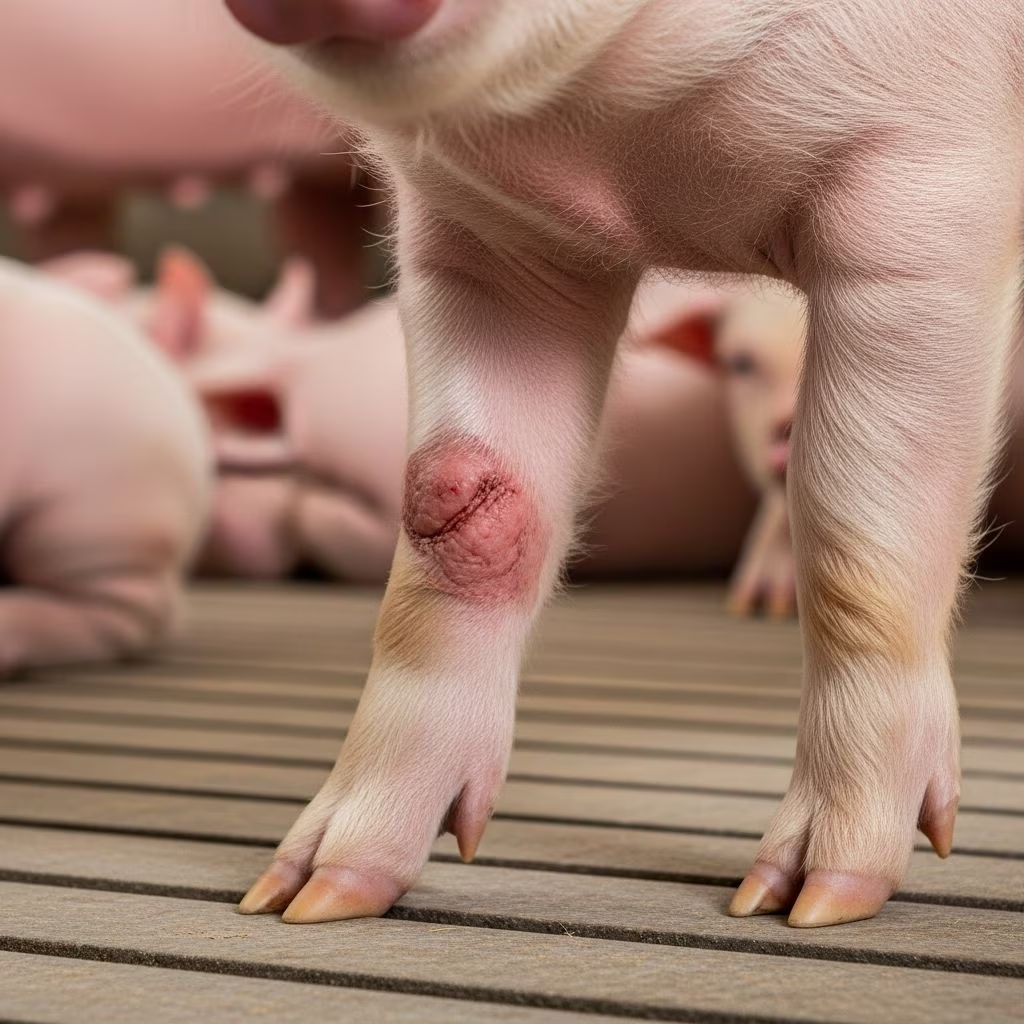
Understanding and addressing lameness in nursery pigs is crucial for swine producers aiming to minimize losses and improve animal welfare. This condition, characterized by abnormal gait or reluctance to move, often stems from infectious agents, nutritional imbalances, or environmental stressors during the vulnerable post-weaning phase.
Understanding the Impact of Lameness on Young Pigs
Nursery pigs, typically aged 3 to 10 weeks, face heightened risks for lameness due to rapid growth and immune system development. Affected piglets show signs like limping, stiffness, or complete refusal to bear weight on limbs, leading to reduced feed intake and growth rates. Studies indicate lameness appears in roughly half of litters, with multiple pigs per litter impacted, escalating with sow age. Early intervention is key, as untreated cases can result in chronic issues or culling, impacting farm economics.
Key impacts include:
- Decreased average daily gain due to pain-induced anorexia.
- Increased mortality from secondary infections.
- Higher veterinary costs and labor for management.
- Welfare concerns prompting regulatory scrutiny.
Primary Causes of Locomotion Problems in Nursery Stage
Several factors contribute to lameness in this age group, with bacterial infections topping the list. Trueperella pyogenes, Streptococcus suis, and Mycoplasma species frequently invade joints, causing suppurative arthritis. These pathogens enter via navel infections, tail docking wounds, or respiratory routes, thriving in post-weaning stress environments.
Nutritional deficiencies exacerbate risks. Inadequate biotin, vitamin D, or trace minerals like zinc and copper weaken bone and hoof integrity, promoting lesions. Environmental triggers, such as slippery floors or high ammonia levels, cause initial injuries that bacteria exploit.
| Cause Category | Common Agents/Factors | Prevalence in Nursery Pigs |
|---|---|---|
| Bacterial | Streptococcus suis, Trueperella pyogenes | High (most frequent) |
| Mycoplasmal | Mycoplasma hyorhinis | Moderate |
| Nutritional | Biotin/vitamin D deficiency | Common in unbalanced diets |
| Traumatic | Slippery pens, poor bedding | Variable, often initial trigger |
Bacterial Infections: The Leading Culprits
Bacteria like Streptococcus suis serotype 2 cause polyserositis and arthritis, often following viral predispositions. Piglets present with fever, swollen joints, and fibrinous exudates on necropsy. Trueperella pyogenes leads to abscesses in hocks and knees, detectable via joint fluid culture.
Early signs mimic viral illnesses but progress to localized lameness. Diagnosis involves synovial fluid analysis for bacterial growth and sensitivity testing, essential amid rising antimicrobial resistance.
Mycoplasma and Other Microbial Contributors
Mycoplasma hyorhinis induces chronic arthritis with synovial proliferation, less responsive to treatment than bacterial forms. Glaesserella parasuis causes Glasser’s disease, featuring polyserositis and joint effusions in 3-12 week olds. Coinfections complicate diagnosis, as these agents are endemic in many herds.
Nutritional and Metabolic Influences
Imbalanced diets high in calcium-phosphorus ratios or low in essential vitamins foster osteodystrophies. Rickets, marked by enlarged costochondral junctions and bowed legs, responds to vitamin D supplementation but requires feed analysis confirmation. Water quality matters too; excess iron or heavy metals impair mineral uptake, worsening hoof cracks.
Environmental and Management Triggers
Poor flooring leads to footpad dermatitis and erosions, entry points for infection. Overcrowding heightens injury risk from competition at feeders. Sudden weaning disrupts gut health, indirectly promoting systemic spread of pathogens.
Diagnostic Approaches for Accurate Identification
Thorough evaluation starts with history review: onset timing, litter incidence, recent changes in feed or housing. Physical exams assess gait, joint swelling, and rectal temperatures. Necropsy of culled pigs reveals gross lesions like abscesses or hemorrhages.
Laboratory tools include:
- Bacterial culture from joints/heart blood.
- PCR for mycoplasmas and viruses.
- Radiography for bone changes.
- Serology for erysipelas or circovirus.
Differentiating infectious from non-infectious causes prevents mis treatment.
Treatment Strategies: Antimicrobials and Supportive Care
Prompt antibiotics are vital; penicillin or amoxicillin target streptococci effectively if sensitivity-confirmed. For mycoplasmas, tylosin or lincomycin prove superior. Administer parenterally in necks to avoid spinal damage, transitioning to water medication for groups.
Supportive measures enhance recovery:
- Isolate lame pigs to reduce competition.
- Provide NSAIDs like flunixin meglumine for pain relief (extra-label).
- Ensure soft bedding and easy feed access.
A study showed 75% of severely lame piglets improved to near-normal within 5 days with antibiotics, though adding NSAIDs offered no extra gait benefit.
Prevention: Building Resilient Herds
Proactive steps curtail outbreaks. Acclimate gilts to build maternal immunity against streptococci. Vaccinate sows for erysipelas and PCV2 to curb secondary infections.
Nutrition optimization includes biotin (2 mg/kg feed) and balanced minerals. Improve housing with non-slip surfaces and adequate space (0.3 m²/pig). All-in-all-out systems minimize pathogen carryover.
Monitoring and Record-Keeping for Long-Term Control
Track lameness incidence per batch, correlating with diet batches or housing cohorts. Regular foot trims and biosecurity audits sustain gains.
FAQs on Nursery Pig Lameness
What is the most common cause of lameness in nursery pigs?
Bacterial arthritis from Streptococcus suis or Trueperella pyogenes tops the list.
How quickly should I treat a lame nursery pig?
Initiate antibiotics within 24 hours for best outcomes.
Can nutrition prevent lameness?
Yes, biotin and vitamin D supplementation significantly reduces risks.
Is lameness contagious?
Often yes, via bacterial spread in shared environments.
What housing changes help?
Non-slippery floors and straw bedding lower injury rates.
Case Studies: Real-World Management Success
In one herd, lameness dropped 60% after gilt acclimation and penicillin protocols based on sensitivity data. Another implemented deep litter, halving joint infections.
References
- Overview of Lameness in Pigs — Merck Veterinary Manual. 2023. https://www.merckvetmanual.com/musculoskeletal-system/lameness-in-pigs/overview-of-lameness-in-pigs
- Lameness in piglets – should pain killers be included at … — PMC (PubMed Central). 2017-03-29. https://pmc.ncbi.nlm.nih.gov/articles/PMC5382549/
- Sow Foot Lameness and Hoof Care — NADIS. Accessed 2023. https://www.nadis.org.uk/disease-a-z/pigs/sow-foot-lameness-and-hoof-care/
- Lameness in Growing-Finishing Pigs — MSD Veterinary Manual. 2023. https://www.msdvetmanual.com/musculoskeletal-system/lameness-in-pigs/lameness-in-growing-finishing-pigs
- Lameness in Pigs PB1148 — DEFRA (via Bishopton Vets). 2016. https://www.bishoptonvets.co.uk/content/2016/Live/attachment/DEFRA%20-%20Lameness%20in%20Pigs%20PB1148.pdf



