

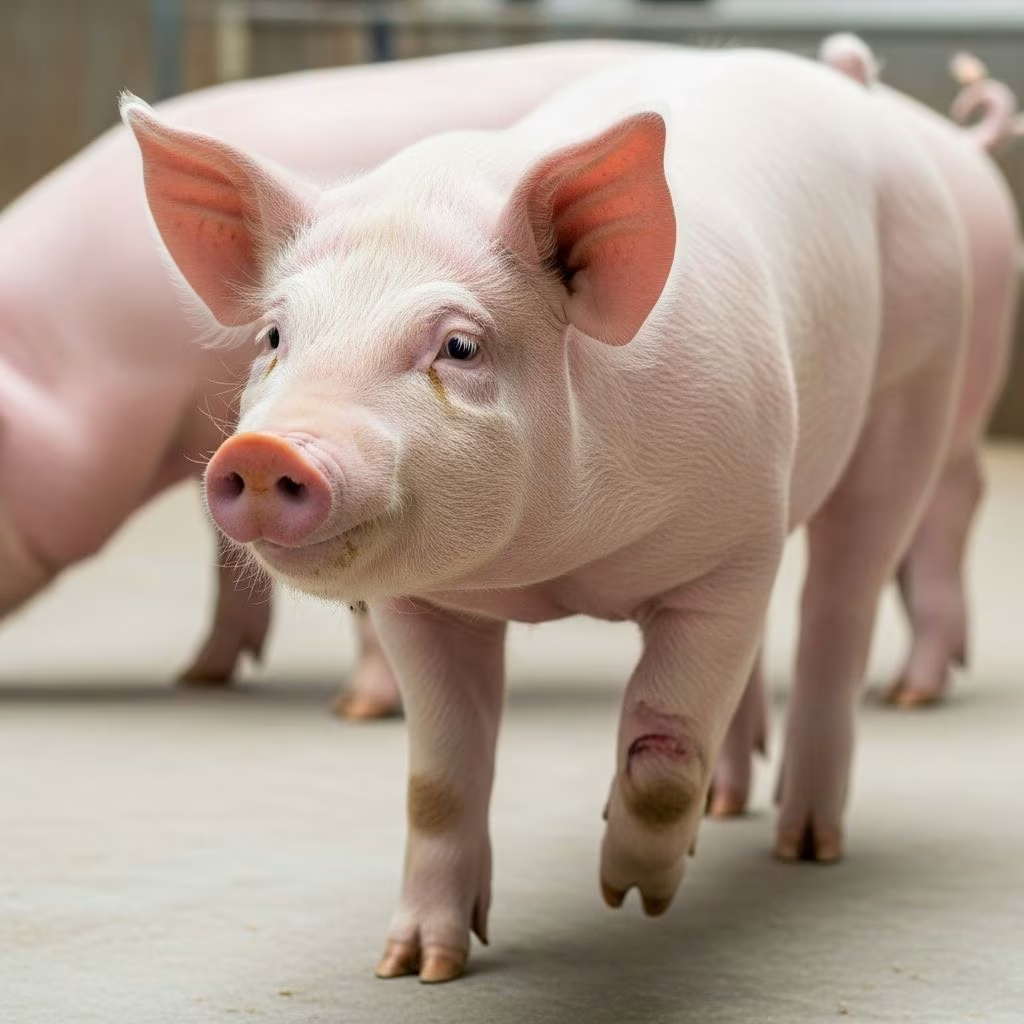
Growing and finishing pigs often face mobility challenges that impact their welfare, growth rates, and farm profitability. Lameness, characterized by abnormal gait such as swaying hips or reluctance to bear weight, arises from multiple factors including infections, nutritional shortfalls, and environmental stressors. Addressing these promptly through targeted diagnostics and management changes is essential for herd health.
Understanding the Scope of Mobility Problems
In commercial pig production, lameness affects up to 5-10% of growing pigs at any time, leading to reduced feed intake, slower weight gain, and higher culling rates. Rapid growth phases exacerbate joint stress, making young pigs particularly vulnerable. Early detection via daily pen checks—watching for arched backs, paddling legs, or isolation—allows intervention before chronic issues develop.
- Prevalence peaks during the 20-80 kg weight range due to skeletal development demands.
- Untreated cases result in 10-20% production losses from condemnations at slaughter.
- Farm records tracking incidence help pinpoint seasonal or batch-related patterns.
Primary Infectious Contributors
Bacterial and viral pathogens frequently trigger joint inflammation and hoof damage in finishing pigs. Common culprits invade via skin breaks or respiratory routes, thriving in crowded, humid conditions.
Bacterial Pathogens Disrupting Joints
Mycoplasma hyorhinis causes polyarthritis with swollen hocks and stifles, appearing suddenly in 8-16 week olds. Pigs show fever, depression, and lameness in multiple limbs. Unlike other strains, it resists some antibiotics but responds to early tylosin or lincomycin injections.Erysipelothrix rhusiopathiae, responsible for erysipelas, strikes growing pigs with acute fever, skin diamonds, and limb reluctance; sudden deaths may precede outbreaks. Penicillin injections and bacterin vaccines control spread effectively.Glaesserella parasuis leads to polyserositis and arthritis, often post-viral weakening, with fibrinous joints visible at necropsy.
| Pathogen | Key Signs | Treatment |
|---|---|---|
| Mycoplasma hyorhinis | Swollen joints, fever | Tylosin, lincomycin |
| Erysipelothrix rhusiopathiae | Rhomboid lesions, anorexia | Penicillin, vaccination |
| Glaesserella parasuis | Polyserositis, lameness | Antimicrobials per sensitivity |
Viral Influences on Locomotion
Vesicular viruses like foot-and-mouth or Seneca Valley virus create blisters on coronets, causing severe pain and limping. Though rare in many regions, any vesicular outbreak demands regulatory reporting. Enteroviruses such as Teschovirus affect nerves, leading to posterior weakness; spinal cord exams confirm diagnosis. Herd immunity develops naturally, but gilt acclimation prevents naive introductions.
Nutritional Factors Undermining Bone Health
Imbalanced rations during rapid growth compromise skeletal integrity. Osteochondrosis manifests as epiphyseal swelling or osteophytes in fast-gaining boars, from excess energy overloading cartilage. Rickets, due to vitamin D or calcium/phosphorus deficits, softens bones in creep-fed pigs; ash analysis of feeds and bones diagnoses it.
- Biotin shortages weaken hoof walls, inviting cracks and abscesses.
- Selenium excess paradoxically causes hoof necrosis alongside appetite loss.
- Trace minerals like copper and zinc must balance to support hoof epidermis.
Formulate diets with 0.3-0.5 ppm biotin, adequate vitamin D (2000 IU/kg), and monitored minerals; water quality checks prevent iron overload antagonizing absorption.
Environmental and Physical Stressors
Slippery slatted floors, poor bedding, or abrasive concrete accelerate hoof wear and fractures. Overgrown claws from soft substrates crack under weight, fostering footrot. Genetics play a role in leggy frames prone to buckling.
- Flooring: Rubber mats or textured surfaces reduce slip-induced falls.
- Stocking density: Limit to 0.8 m²/pig post-30 kg to ease competition.
- Handling: Gentle herding prevents bruises; avoid electric prods on limbs.
Regular foot trims every 8-12 weeks correct overgrowth, especially in group-housed finishers.
Diagnostic Approaches for Accurate Identification
Systematic evaluation starts with history: recent moves, feed changes, or vaccine gaps? Clinical exams score lameness (0-5 scale: 0=normal, 5=non-weight bearing). Necropsies of culled pigs reveal synovial exudate, erosions, or marrow changes. Culture joints/swabs for bacteria; PCR detects Mycoplasma or viruses. Radiographs show osteochondrosis lesions.
- Observe group dynamics and isolate suspects.
- Palpate limbs for heat/swelling.
- Submit samples to accredited labs promptly.
Treatment Protocols for Recovery
Acute cases need immediate relocation to hospital pens with soft bedding, ad lib water/feed, and slings if recumbent. Inject antimicrobials neck-high (e.g., 20 mg/kg tulathromycin for respiratory-linked arthritis). Anti-inflammatories like flunixin meglumine (2.2 mg/kg) ease pain extra-label.
- Poulticing abscesses drains pus effectively.
- Bandaging supports severe foot injuries.
- Euthanize welfare-compromised pigs humanely.
Monitor response in 48 hours; sensitivity testing guides switches.
Prevention Strategies for Sustainable Production
All-in-all-out systems with 10% iodine foot baths break infection cycles. Vaccines for erysipelas and PCV2 (indirect protector) build immunity. Nutritional audits quarterly ensure balance; environmental retrofits like non-slip coatings pay back in fewer rejects.
| Strategy | Benefit | Implementation |
|---|---|---|
| Vaccination | Reduces bacterial outbreaks | Sows pre-breeding, piglets at weaning |
| Nutrition balancing | Strengthens bones/hooves | Lab-tested feeds, supplements |
| Housing upgrades | Lowers trauma | Mats, ventilation control |
Frequently Asked Questions (FAQs)
What is the most common cause of lameness in finishing pigs?
Infectious arthritis from Mycoplasma or Erysipelothrix tops the list, often compounded by poor floors.
How do I differentiate nutritional from infectious lameness?
Nutritional shows uniform bone softening across litters; infectious has fever, purulent joints—lab tests confirm.
Can lameness be prevented entirely?
Not fully, but incidence drops below 2% with integrated biosecurity, nutrition, and housing.
Is vaccination always necessary?
For erysipelas yes in endemic areas; assess herd history.
What if a pig won’t stand after treatment?
Provide supportive care 72 hours; consider euthanasia if no improvement.
Long-Term Management for Thriving Herds
Integrate lameness scoring into weekly audits, training staff on early signs. Collaborate with vets for tailored protocols. Genetic selection for robust legs via breeding indices minimizes inherent weaknesses. These holistic steps not only curb lameness but boost overall performance, cutting antibiotic use and enhancing meat quality.
References
- Overview of Lameness in Pigs — Merck Veterinary Manual. 2023. https://www.merckvetmanual.com/musculoskeletal-system/lameness-in-pigs/overview-of-lameness-in-pigs
- Lameness in Pigs — Pig Progress. 2022-10-15. https://www.pigprogress.net/topic/lameness/
- Lameness in Growing-Finishing Pigs — MSD Veterinary Manual. 2023. https://www.msdvetmanual.com/musculoskeletal-system/lameness-in-pigs/lameness-in-growing-finishing-pigs
- Lameness in pigs — George Vet Group. 2025-10. https://georgevetgroup.co.uk/wp-content/uploads/2025/10/Fact_Sheet_-_Lameness_in_pigs.pdf
- Preventing Lameness in Show Pigs — Texas 4-H. 2022. https://texas4-h.tamu.edu/wp-content/uploads/Preventing-Lameness-in-show-pigs.pdf



