

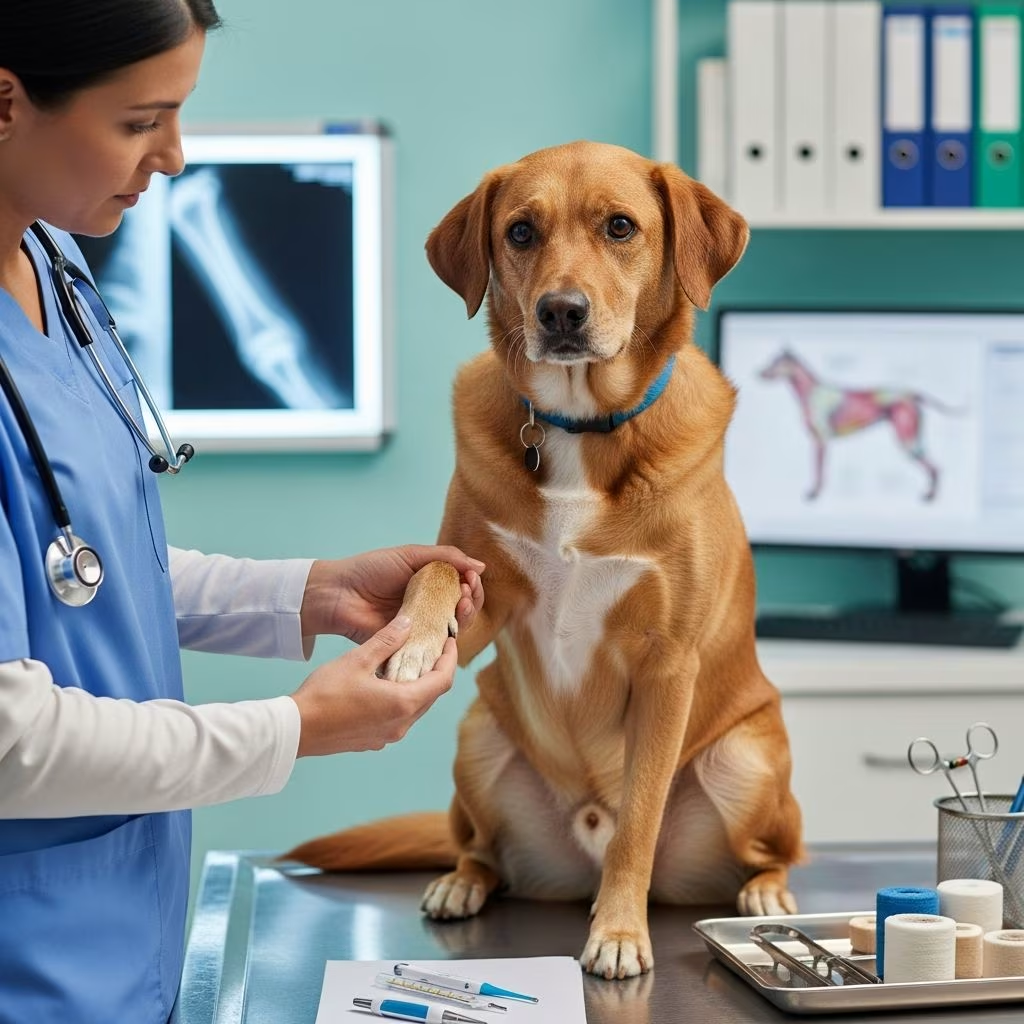
Understanding Lameness in Dogs
Lameness, or limping, is a common condition in dogs that can stem from various underlying causes. When your dog shows signs of lameness, it typically indicates pain, weakness, or abnormal limb movement that affects their ability to walk normally. Lameness can develop suddenly or gradually, and understanding the potential causes is essential for providing appropriate care and ensuring your dog’s well-being.
Lameness in dogs can be classified into different types based on its origin. Mechanical lameness results from structural problems in the musculoskeletal system, such as joint instability or fractures, while neurological lameness stems from nerve dysfunction affecting limb movement and coordination. Understanding this distinction is crucial because treatment approaches vary significantly depending on the underlying cause.
Common Causes of Lameness in Dogs
Veterinarians follow a systematic process to identify the root cause of lameness. The origin may be orthopedic, neurological, infectious, inflammatory, or traumatic. Recognizing these categories helps pet owners understand what might be affecting their dog.
Orthopedic Conditions
Orthopedic injuries and diseases represent some of the leading causes of lameness in dogs. These conditions affect the bones, joints, and connective tissues that support movement. Common orthopedic causes include:
- Cranial cruciate ligament (CCL) rupture or tears
- Hip dysplasia, a hereditary condition where the hip joint develops abnormally
- Elbow dysplasia, similar to hip dysplasia but affecting the elbow joint
- Osteoarthritis and other degenerative joint diseases
- Patellar luxation, where the kneecap becomes dislocated
- Ligament disease and sprains
- Intervertebral disc disease affecting spinal health
- Osteochondritis dissecans (OCD), a cartilage condition
Orthopedic conditions may cause acute or chronic lameness, with severity varying depending on the degree of injury or degeneration. Early diagnosis is critical to prevent progression, especially in conditions like CCL tears and dysplasia where surgical intervention can restore function and prevent the development of arthritis.
Bone Diseases
Dogs can experience lameness due to various bone disorders. Conditions such as hypertrophic osteodystrophy and panosteitis primarily affect younger canines and can significantly impact their mobility. Additionally, several forms of cancer can occur in your dog’s bones. Osteosarcoma is one of these conditions where irregular production of bone cells forms a tumor. In cancer cases, early diagnosis is key to improving outcomes.
Injuries and Trauma
Injuries and trauma represent the most obvious causes of canine lameness. Dogs can experience many of the same conditions that affect humans. Moderate to severe limping can stem from:
- Broken bones and fractures
- Sprains and strains
- Dislocated joints
- Torn ligaments
- Spinal cord injuries
- Severe soft tissue damage
Any of these injuries could leave your pet unable to move the affected leg properly. Even minor trauma, such as rough play or jumping from a height, can lead to subtle injuries that cause lameness. Owners should be aware that internal damage may exist even when no external injury is apparent.
Infectious and Inflammatory Causes
Several infectious and immune-mediated diseases can cause lameness in dogs. Lyme disease is a notable example that causes intermittent lameness and is often accompanied by fever, lethargy, and loss of appetite. Paw or nail bed infections can also be painful and lead to lameness. These diseases are frequently accompanied by systemic signs, and laboratory testing is essential to confirm the diagnosis.
Neurological Conditions
Nerve disorders, though less common than orthopedic conditions, can also lead to canine lameness. Intervertebral disc disease can affect your dog’s ability to walk normally by compressing nerves. Symptoms of nerve disorders in dogs may include weakness in the limbs and difficulty coordinating movements. Neurological causes require specialized diagnostic approaches to identify accurately.
Congenital Disorders
Some dogs are born with congenital issues that can affect their gait. These conditions often become apparent as the dog grows and develops. Hereditary conditions like dysplasia are actively being addressed through breeding practices, but they can still lead to diseases involving lameness.
Other Contributing Factors
Additional causes of lameness include overexertion, where dogs overexert themselves leading to muscle soreness and temporary limping. Arthritis, which causes inflammation of one or more joints, leads to pain and decreased ability to flex and extend joints. Cancer or tumors can also manifest as lameness in some cases.
Diagnosing Lameness in Dogs
Diagnosing the cause of lameness requires a thorough and systematic approach. Identifying the precise cause allows veterinarians to tailor treatment appropriately, improving outcomes and enhancing your dog’s quality of life. The diagnostic process typically includes several steps.
Physical Examination
The initial step involves a comprehensive physical examination. Your veterinarian will assess your dog’s gait, checking for signs of pain or discomfort when touching and manipulating various areas. They will evaluate joint mobility and attempt to pinpoint the affected limb, which provides clues about the possible underlying cause. The vet may observe your dog walking and standing to note any abnormalities in movement patterns.
Medical History Review
Your veterinarian will conduct a detailed history assessment, asking about when the lameness began, whether it developed suddenly or gradually, and any recent injuries or changes in activity level. This information helps narrow down potential causes and guides the diagnostic process.
Advanced Diagnostic Testing
Beyond the physical examination, veterinarians may recommend advanced imaging and laboratory tests:
- Radiographs (X-rays) to visualize bone and joint structure
- Ultrasound imaging for soft tissue evaluation
- Computed tomography (CT) scans for detailed three-dimensional imaging
- Magnetic resonance imaging (MRI) for comprehensive soft tissue and neurological assessment
- Laboratory blood tests and cultures to identify infections
- Joint fluid analysis for inflammatory or infectious causes
Trial Treatment Approach
Without advanced imaging, the definitive cause of lameness is often not found. In some cases, your veterinarian may recommend a trial with anti-inflammatory medications such as meloxicam (brand name Metacam®) or other pain medications, along with rest or restricted exercise. It is important to have your dog reassessed by your veterinarian as subtle changes may help provide a diagnosis and better guide your dog’s treatment. Some tests may be repeated as changes may be seen after time that can help provide a diagnosis.
Treatment Options for Canine Lameness
Treatment for lameness varies significantly depending on the underlying cause, severity, and your dog’s overall health status. Your veterinarian will develop a customized treatment plan tailored to your pet’s specific condition.
Mild Lameness Treatment
For dogs experiencing acute mild lameness, conservative management often proves effective. Treatment may include:
- Rest and restricted exercise to allow healing
- Pain management through soothing and comfort measures
- Application of cold compresses to inflamed joints to reduce swelling
- Monitoring for changes in the first 24 hours
- Application of warm compresses if symptoms persist after 24 hours
Pain Management Medications
Your veterinarian may prescribe nonsteroidal anti-inflammatory medications (NSAIDs) to relieve your dog’s discomfort and reduce inflammation. Common medications include:
- Carprofen
- Meloxicam
- Galliprant
- Other prescription pain relievers as appropriate
These medications help manage pain and improve mobility, allowing your dog to move more comfortably during recovery.
Nutritional Supplements for Joint Health
If your pet is experiencing joint pain, your veterinarian might prescribe nutritional supplements to promote recovery and maintain joint health. Common supplements include:
- Glucosamine, which supports cartilage structure and function
- Chondroitin sulfate for joint protection
- Omega-3 fatty acids to reduce inflammation
- Methylsulfonylmethane (MSM) for joint support
- Avocado soybean unsaponifiables (ASU) for joint health
Physical Therapy and Rehabilitation
Physical therapy involves guided exercises and therapies designed to strengthen muscles and improve joint function. This approach helps restore mobility and supports long-term recovery, particularly beneficial for dogs recovering from surgery or managing chronic conditions.
Surgical Interventions
In some cases, surgical intervention becomes necessary. Complex fractures, cruciate ligament ruptures, and advanced joint diseases often require surgical treatment. Surgery may involve:
- Repair or reconstruction of damaged ligaments
- Joint stabilization procedures
- Fracture repair and stabilization
- Joint replacement or arthroplasty in severe cases
Advanced Therapeutic Treatments
Modern veterinary medicine offers several advanced treatment options for canine lameness:
- Acupuncture for pain management and healing stimulation
- Stem cell therapy to promote tissue regeneration
- Cold laser treatment to reduce inflammation and promote healing
- Neuromuscular electrical stimulation (NMES) for muscle strengthening
- Transcutaneous electrical stimulation (TENS) for pain relief
- Therapeutic ultrasound for tissue healing
- Extracorporeal shockwave therapy (ESWT) for musculoskeletal conditions
- Hyperbaric oxygen therapy for tissue repair and infection management
Supportive Care and Management
Additional supportive measures include:
- Bandages, splints, braces, or casts for immobilization
- Assistive devices such as harnesses or slings to support affected limbs
- Weight management to reduce stress on joints and affected areas
- Dietary modifications to support overall health
- Chemotherapy or radiotherapy for cancer-related lameness
- Medications for infection management and immune system support
When to Seek Veterinary Care
Not all limping requires emergency care, but certain situations warrant immediate veterinary attention. You should contact your veterinarian if:
- The limp persists for more than 24 hours
- There are signs of severe pain or distress
- Visible swelling, deformity, or wounds are present
- Your dog cannot bear weight on the affected leg
- Lameness develops suddenly after an obvious trauma or accident
- Your dog shows systemic signs such as fever, lethargy, or loss of appetite
- Lameness worsens despite home care measures
Home Care for Lameness
While awaiting veterinary evaluation or during recovery, you can take several steps to help your dog:
- Limit activity and provide a comfortable resting area
- Use cold compresses for the first 24-48 hours to reduce swelling
- Apply warm compresses after the acute phase to improve circulation
- Ensure your dog takes prescribed medications as directed
- Provide a balanced diet to support healing
- Monitor the affected area for changes in swelling, warmth, or pain
- Keep your dog calm and minimize jumping or running
Frequently Asked Questions
Q: What is the difference between acute and chronic lameness?
A: Acute lameness develops suddenly and may result from recent injuries or trauma. Chronic lameness develops gradually over time and often results from degenerative conditions like arthritis or dysplasia. Both require veterinary evaluation, but treatment approaches may differ.
Q: Can lameness in dogs resolve on its own?
A: Mild lameness from minor injuries may improve with rest, but most cases require veterinary intervention. Underlying conditions like joint disease or infections need proper diagnosis and treatment to prevent complications.
Q: How long does recovery from lameness typically take?
A: Recovery time varies depending on the underlying cause, severity, and treatment approach. Minor sprains may resolve in days to weeks, while surgical recovery or chronic conditions may take several weeks to months.
Q: Is lameness in dogs permanent?
A: Not necessarily. Many causes of lameness can be effectively treated, leading to full or significant recovery. However, some chronic conditions like arthritis require ongoing management to maintain quality of life.
Q: What can I do to prevent lameness in my dog?
A: Prevention strategies include maintaining a healthy weight, providing appropriate exercise, preventing trauma and injuries, ensuring proper nutrition, and addressing hereditary conditions through responsible breeding practices.
Q: Are certain dog breeds more prone to lameness?
A: Yes, certain breeds are predisposed to conditions like hip dysplasia and elbow dysplasia. Large breed dogs are particularly susceptible to these hereditary conditions, which is why screening and breeding practices are important.
References
- Lameness in Dogs — VCA Animal Hospitals. 2024. https://vcahospitals.com/know-your-pet/lameness-in-dogs
- Dog Limping & Lameness: Causes & Treatment — Bliss Animal Hospital. 2024. https://blissanimalhospital.com/blog/dog-limping-lameness-causes-treatment-orange-county-ca/
- The Art and Science of Diagnosing and Treating Canine Lameness — AO Foundation. 2024-12. https://www.aofoundation.org/vet/about-aovet/blog/2024_12_blog_scharvogel_lameness-in-dogs
- Canine Lameness: What You Need to Know — Frontier Veterinary Urgent Care. 2024. https://frontierveturgentcare.com/blog/canine-lameness-milwaukee-wi/
- Limping in Pets: Causes and Treatments — The Animal Medical Center. 2024. https://www.amcny.org/pet_health_library/limping-causes-and-treatments/



