

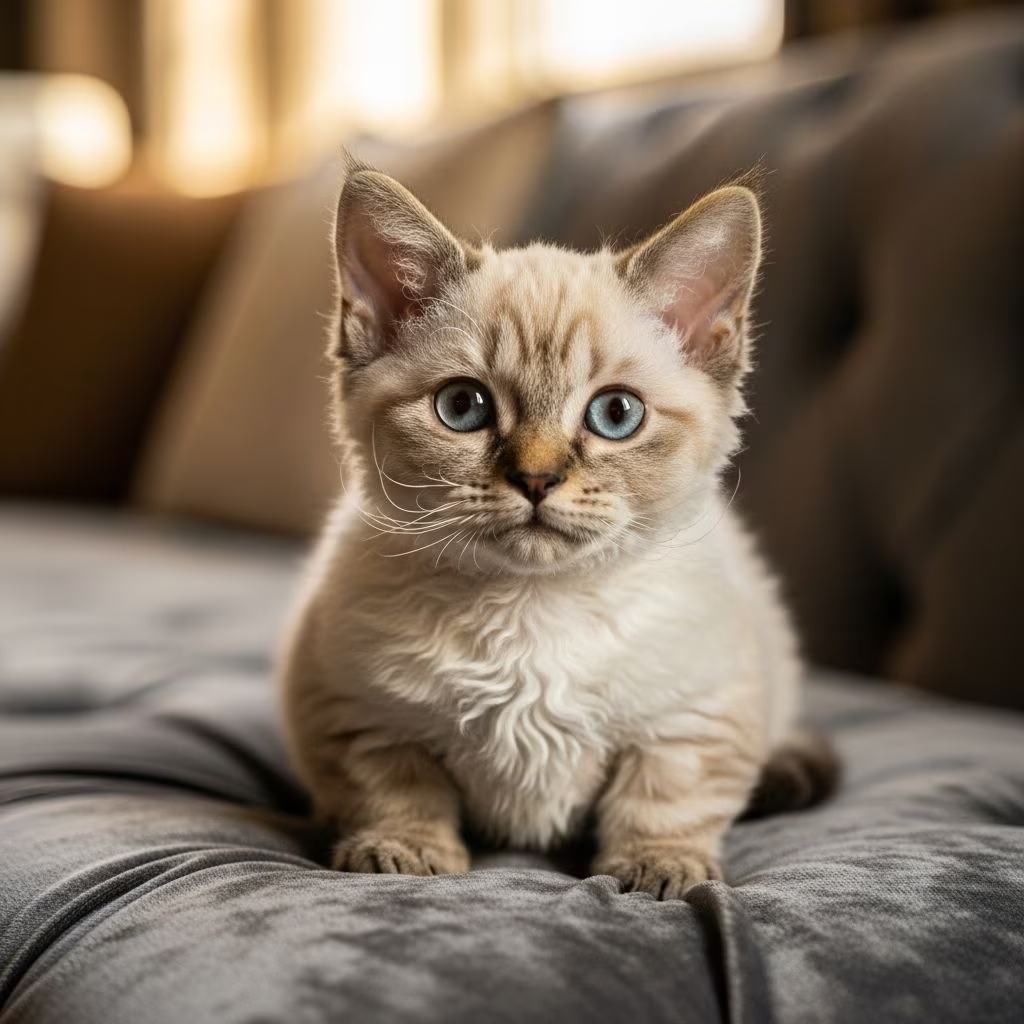
The Lambkin cat, also known as the Nanus Rex, represents one of the most distinctive and captivating additions to the feline world. Emerging as a deliberate breeding experiment in the late 1980s and early 1990s, this extraordinary breed combines the most endearing qualities of two remarkable parent breeds into a single, irresistibly charming package. With their diminutive stature, luxuriously curled coats, and gentle dispositions, Lambkin cats have captured the hearts of feline enthusiasts across the globe, despite remaining relatively scarce and exclusive within the cat breeding community.
Understanding the Origins and Development of the Lambkin Breed
The creation of the Lambkin cat stands as a testament to selective breeding innovation and the desire to blend specific desired traits from established breeds. American breeder Terri Harris pioneered this groundbreaking crossbreeding initiative during the late 1980s and early 1990s, working methodically to combine two distinct feline lines. The vision behind this project was straightforward yet ambitious: to develop a cat that would embody the distinctive short stature characteristic of the Munchkin breed while simultaneously possessing the remarkably curly and textured coat of the Selkirk Rex.
The Munchkin, known for its naturally occurring genetic mutation that produces short legs, provided one essential element of the formula. The Selkirk Rex, celebrated for its soft, crimped, or wavy coat texture, contributed the second crucial component. When these two breeds were carefully crossed, the result exceeded expectations, producing kittens that displayed both the compact build and the luxurious curled coat that breeders sought to establish as breed standards.
Recognition of the Lambkin breed has been gradual yet meaningful. The International Cat Association acknowledges the breed as an emerging category, while the Rare and Exotic Feline Registry formally recognizes Lambkins within their registry system. The World Cat Federation has also registered the breed, contributing to its growing legitimacy and documentation within the international feline community.
Physical Characteristics and Distinctive Appearance
When examining the Lambkin cat, one immediately notices its unique amalgamation of physical features drawn from both parent breeds. These cats typically achieve a height ranging from 7 to 8 inches when measured at the shoulder, with body weights typically falling between 5 and 9 pounds. This small stature, while charming and approachable, requires special consideration from owners regarding environmental safety and handling.
The structural composition of the Lambkin presents an interesting contradiction. While their overall bodies remain considerably smaller than standard domestic cats, their heads maintain proportions closer to those of average-sized felines, creating a distinctive and endearing visual balance. The hind legs are notably taller than the front legs, and all four limbs are characteristically short, thick, and sturdy—a direct inheritance from the Munchkin lineage.
The coat represents perhaps the most immediately striking feature of the Lambkin breed. Their fur is thick, distinctly curly or crinkled, and often described as resembling the woolly texture of a young lamb—hence the breed’s charming name. The tail is long, curved, and fluffy, typically tapering gracefully to a rounded tip. Interestingly, Lambkin kittens are born with distinctly curly fur, though some may experience coat changes around 16 weeks of age, with certain individuals experiencing temporary fur loss during this transition period.
Color Variations and Eye Characteristics
Lambkin cats display a wide spectrum of coat colors and patterns, offering potential owners considerable aesthetic variety when selecting a companion. From solid colors to various tabby patterns and bicolor combinations, the breed presents diverse visual options.
One particularly remarkable but extraordinarily rare feature occasionally appears in Lambkin cats: dominant blue eyes. These striking azure eyes occur so infrequently that only a handful of such individuals are known to exist worldwide, making blue-eyed Lambkins exceptionally coveted by collectors and enthusiasts. The round face and large round eyes characteristic of the breed contribute significantly to their perpetually cute and appealing expression.
Temperament and Behavioral Characteristics
Beyond their striking physical appearance, Lambkin cats are celebrated for their exceptional personality traits and behavioral patterns. These felines are characteristically gentle, calm, and remarkably affectionate, displaying a natural inclination toward bonding deeply with their human companions. Their temperament reflects an ideal blend of playfulness tempered by patience and tolerance, making them particularly suitable for family environments.
The sociable nature of Lambkins distinguishes them as highly interactive cats that thrive on companionship and engagement. Rather than displaying the independent streak common in many feline breeds, Lambkins seek out opportunities for interaction with their owners, other household pets, and even visitors. This outgoing disposition means they adapt remarkably well to various living situations and family dynamics.
Lambkins demonstrate considerable curiosity about their environment, enjoying exploration and environmental enrichment activities. Their intelligence makes them responsive to positive reinforcement-based training techniques, and they readily learn household routines and behavioral expectations when guided with patience and consistency. While not demanding in temperament, these cats do benefit significantly from regular interactive play sessions and mental stimulation to maintain optimal contentment and behavioral balance.
Social Compatibility Considerations
The tolerant and warm personality of Lambkins makes them excellent candidates for multi-pet households. They typically get along well with other cats and can coexist peacefully with dogs and other animals, provided proper introductions occur. Families with children find Lambkins to be wonderful companions, as their patient demeanor and playful nature create an ideal dynamic for younger family members.
Health Considerations and Genetic Factors
The Lambkin breed carries significant health considerations that prospective owners must understand before acquiring a kitten. The short-legged phenotype that defines the Munchkin parent breed results from a genetic mutation coding for dwarfism, which can potentially introduce serious health complications. This genetic foundation necessitates especially careful breeding practices and rigorous health screening to minimize the transmission of adverse genetic conditions.
During breeding programs, genetic diversity must be actively maintained to prevent the concentration of harmful recessive genes. Responsible breeders implement comprehensive health testing protocols and maintain detailed genetic records to track inheritance patterns and identify potential health risks before they manifest in offspring.
Interestingly, during Lambkin breeding cycles, “non-standard” individuals occasionally appear lacking the characteristic short legs. This natural genetic variation occurs because the short-legged gene operates as a dominant trait, yet during inheritance patterns, some kittens fail to receive this particular genetic expression, resulting in normal-length legs despite their Lambkin heritage.
Selecting Reputable Breeders
Given the potential health implications associated with dwarfism and selective breeding practices, acquiring a Lambkin from a reputable, ethical breeder is absolutely essential. Prospective owners should thoroughly investigate breeders’ credentials, request health testing documentation, inquire about genetic screening protocols, and seek references from previous purchasers. Reputable breeders will openly discuss potential health concerns and provide transparency regarding their breeding practices and genetic management strategies.
Lifespan and Age-Related Expectations
Lambkin cats typically enjoy lifespans ranging from 12 to 15 years when provided with appropriate nutrition, healthcare, and living conditions. This extended lifespan represents a significant long-term commitment for potential owners and requires consideration when evaluating breed suitability for individual circumstances and lifestyles.
Practical Care Requirements for Lambkin Cat Owners
Caring for a Lambkin cat involves specific considerations related to their unique physical characteristics and special needs. Their small size and short legs necessitate careful environmental modifications to prevent injury and ensure safe navigation throughout the home.
Environmental Safety Modifications
- Install ramps or steps to facilitate access to elevated surfaces like furniture and cat trees
- Keep floors clear of hazards and obstacles that could impede movement or cause tripping
- Provide low-entry litter boxes specifically designed for cats with limited leg length
- Create designated quiet spaces with easy accessibility for rest and retreat
- Use baby gates strategically to limit access to staircases or potentially dangerous areas
Coat Maintenance and Grooming
The distinctive curly coat of Lambkin cats requires regular grooming attention to maintain its health and appearance. The texture of their fur makes it prone to matting and tangling if not properly maintained. Regular brushing sessions—typically several times weekly—help prevent mat formation, remove loose fur, and distribute natural oils throughout the coat. During seasonal shedding periods, grooming frequency may need to increase to manage the volume of shed hair effectively.
Nutritional Considerations
Despite their small size, Lambkins require high-quality cat food formulated to support their metabolic needs and overall health. Portion control becomes important given their compact stature, as overfeeding can quickly lead to excessive weight gain, which creates additional stress on their short legs and joints. Regular veterinary consultations help determine appropriate portion sizes and nutritional requirements for individual cats.
Why Lambkin Cats Remain Exceptionally Rare
The rarity of Lambkin cats stems from multiple factors, beginning with their relatively recent development and still-emerging status within the broader cat breeding community. Unlike established breeds with decades of breeding history and extensive breeder networks, Lambkins remain limited to a relatively small number of dedicated breeders worldwide. The genetic complexity involved in maintaining both the short-legged trait and curly coat while minimizing health risks restricts breeding programs and reduces the overall availability of kittens.
The deliberate and controlled nature of responsible Lambkin breeding programs further constrains the number of kittens produced annually. Ethical breeders prioritize genetic diversity and health screening over rapid production expansion, resulting in smaller litter sizes and fewer breeding females within the global population.
Comparison with Parent Breeds
| Characteristic | Lambkin | Munchkin | Selkirk Rex |
|---|---|---|---|
| Size | 5-9 lbs | 5-9 lbs | 6-12 lbs |
| Coat Type | Thick, curly | Various | Curly/wavy |
| Leg Length | Very short | Very short | Normal |
| Temperament | Affectionate, social | Playful, active | Calm, gentle |
| Lifespan | 12-15 years | 12-15 years | 11-15 years |
Frequently Asked Questions About Lambkin Cats
Are Lambkin cats prone to mobility issues due to their short legs?
While Lambkins have short legs, they remain surprisingly agile and capable of normal feline movements when in good health. However, their small stature does necessitate environmental accommodations to prevent strain and injury. Owners should be cautious about allowing Lambkins to interact with larger, exuberant dogs that might accidentally injure these delicate cats during play.
How often do Lambkins need to visit veterinarians?
Given their genetic background and potential health risks, Lambkins should receive regular veterinary check-ups at least annually, with more frequent visits as they age. Veterinarians familiar with dwarf breeds and their specific health considerations are particularly valuable partners in maintaining optimal feline wellness.
Can Lambkins adapt to apartment living?
Yes, Lambkins adapt remarkably well to apartment environments. Their small size and calm temperament make them suitable for smaller living spaces, provided environmental enrichment and regular interaction are available. Their adaptability to various living situations represents one of their appealing characteristics.
What is the approximate cost of acquiring a Lambkin kitten?
Due to their rarity and the specialized breeding requirements, Lambkin kittens command premium pricing compared to common domestic cats. Prices vary considerably based on breeder reputation, location, and kitten characteristics, but generally reflect the significant investment involved in responsible breeding practices.
The Ethical Debate Surrounding Lambkin Breeding
The Lambkin breed exists amid ongoing discussion within the feline community regarding the ethics of breeding cats specifically for dwarfism and other exaggerated physical traits. Proponents argue that responsible breeding practices can minimize health risks while preserving breed characteristics. Critics express concerns about deliberately perpetuating genetic mutations that may inherently compromise feline health and quality of life.
This debate underscores the importance of selecting breeders who prioritize genetic health and animal welfare above aesthetic considerations. Prospective Lambkin owners should carefully evaluate breeders’ ethical standards and health management practices before making acquisition decisions.
Conclusion: Is a Lambkin Cat Right for Your Household?
Lambkin cats represent an exceptional choice for prospective owners seeking a distinctive, affectionate companion with remarkable charm and unique physical appeal. Their gentle temperament, social nature, and adaptability to various living situations make them particularly suitable for families, individuals, and multi-pet households that can accommodate their specialized care needs and environmental requirements.
However, acquiring a Lambkin requires careful consideration of health implications, commitment to working with ethical breeders, and dedication to providing appropriate environmental modifications and veterinary care. Potential owners must approach the decision thoughtfully, ensuring they fully understand both the rewards and responsibilities associated with this rare and extraordinary breed.
References
- Lambkin Cat Breed Guide — VetNearMe. 2025. https://www.vetnearme.pet/cat-breeds/lambkin
- All about Lambkin breed — Animalia. https://animalia.bio/pets/lambkin
- The story of the Lambkin cat — New Wave Kitty Cattery. https://nwkitty.com/the-story-of-the-lambkin-cat/
- Lambkin Cat Breed Info: Pictures, Facts & Traits — Catster. https://www.catster.com/cat-breeds/lambkin-cat/
- Lambkin – Rare and Exotic Feline Registry — Rare and Exotic Feline Registry. https://www.rareexoticfelineregistry.com/lambkin/
- Lambkin Cats 101: Fun Facts & Myths — YouTube. https://www.youtube.com/watch?v=W5BV0AYKfZQ



