

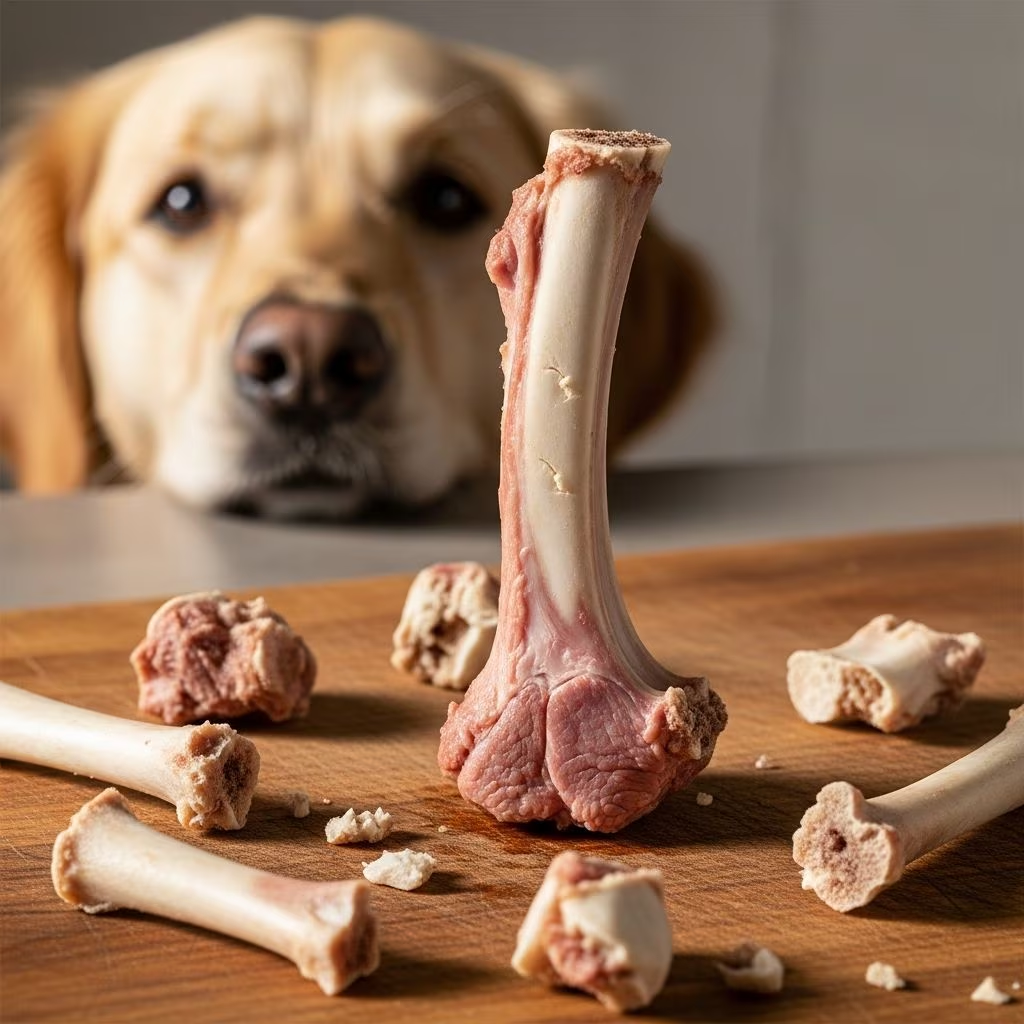
When you finish a delicious lamb dinner, it’s natural to want to share the leftovers with your eagerly waiting dog. However, what might seem like a harmless treat can actually pose serious health threats to your canine companion. Understanding the risks associated with lamb bones is essential for responsible pet ownership and keeping your dog safe.
Understanding the Core Issue: Why Lamb Bones Present a Problem
Lamb bones differ significantly from fresh meat in their structure and safety profile. Their relatively small and delicate composition makes them particularly problematic for dogs. Unlike some larger beef bones, lamb bones can fragment unpredictably during chewing, creating dangerous situations that may require emergency veterinary intervention.
The primary concern veterinarians emphasize is that lamb bones can break into sharp pieces when dogs chew them. These fragments pose multiple threats to your pet’s health, ranging from minor discomfort to life-threatening conditions.
The Distinction Between Raw and Cooked Bones
An important consideration when discussing lamb bones is the preparation method. Cooking fundamentally changes bone structure, making it more dangerous than raw bones.
Cooked Lamb Bones: The Greater Risk
Cooked bones become brittle and lose their structural integrity. Heat exposure weakens the bone matrix, causing it to splinter easily into sharp fragments. These fragments are particularly dangerous because they can perforate the intestinal walls, causing internal bleeding and peritonitis—a life-threatening infection of the abdominal cavity.
Cooked bones also become softer, meaning they break more readily under your dog’s powerful jaw pressure. This increases the likelihood of your dog swallowing larger pieces that could cause complete intestinal blockages.
Raw Lamb Bones: A Questionable Alternative
While some sources suggest raw lamb bones with excess fat removed may be safer than cooked varieties, veterinary consensus still recommends avoiding them entirely. Raw bones retain their structural integrity better, but they still present significant risks.
If you choose to offer raw lamb bones despite veterinary advice, experts recommend selecting the largest available bones, such as hip or leg bones, which are less likely to be swallowed whole. However, even these require constant supervision and should be removed once they become small enough to present a choking hazard.
Primary Health Risks Associated With Lamb Bones
Internal Obstruction and Blockage
One of the most serious complications from bone ingestion is gastrointestinal obstruction. When your dog swallows bone fragments, these pieces can lodge in the stomach or intestines, preventing normal food passage. An obstructed digestive system creates a medical emergency requiring immediate surgical intervention.
Symptoms of obstruction include persistent vomiting, loss of appetite, abdominal pain, and constipation or inability to defecate. If left untreated, obstructions can be fatal, and even successful surgical correction may result in permanent damage to the digestive tract.
Intestinal Perforation and Internal Bleeding
Sharp bone fragments can penetrate the intestinal walls, causing perforations that lead to internal bleeding and infection. This condition develops rapidly and can be life-threatening. Peritonitis—the bacterial infection resulting from intestinal puncture—causes severe systemic illness and requires emergency surgical repair.
Choking and Airway Obstruction
Dogs can choke on bone fragments just as humans can. When a piece becomes lodged in the esophagus or throat, it prevents breathing and creates an immediate life-threatening emergency. Even brief periods of choking can cause tissue damage and complications.
Oral and Dental Damage
Chewing on bones can fracture teeth, particularly the large carnassial teeth dogs use for grinding. Broken teeth expose the dental pulp, causing pain and infection. Additionally, bone fragments can lacerate the mouth, tongue, and gums, creating open wounds susceptible to bacterial infection.
Gastrointestinal Irritation and Secondary Issues
Even when bone fragments pass through the digestive system without causing obstruction, they can cause secondary problems. Bones contain very high levels of calcium, which can contribute to constipation and digestive discomfort. Dogs with sensitive stomachs, irritable bowel disease, or histories of diarrhea face heightened risks from bone consumption.
Nutritional Concerns and Misconceptions
Some pet owners believe bones are necessary for their dogs to obtain certain nutrients. However, this is a misconception. Commercial dog foods provide all essential vitamins and minerals your dog needs, including calcium and phosphorus for bone health.
Modern canine nutrition science has developed complete and balanced diets that meet or exceed all nutritional requirements. There is no nutritional benefit to feeding bones that cannot be better achieved through proper commercial dog food or veterinarian-approved supplements.
Recognizing Signs of Bone-Related Complications
If your dog accidentally ingests bone fragments, knowing what warning signs to watch for enables prompt veterinary intervention:
- Vomiting – Especially persistent or projectile vomiting
- Loss of appetite – Refusing meals or treats
- Abdominal pain – Visible discomfort, hunched posture, or reluctance to move
- Constipation or difficulty defecating – Straining without productive results
- Diarrhea – Particularly bloody stools
- Lethargy and fatigue – Unusual tiredness or lack of interest in activities
- Excessive whining or whimpering – Indicating pain or distress
- Abdominal swelling or tenderness – Visible bloating or sensitivity to touch
If you observe any of these symptoms following potential bone ingestion, contact your veterinarian immediately. Time is critical in obstruction cases—early intervention significantly improves outcomes and reduces the risk of permanent damage or fatality.
Professional Veterinary Recommendations
Major veterinary organizations worldwide advise against bone feeding. The PDSA (People’s Dispensary for Sick Animals) in the United Kingdom explicitly states that bones—whether cooked or raw—should never be fed to dogs. This recommendation applies to all bone types, including lamb, chicken, pork, and beef.
Blue Cross UK and Purina also strongly discourage bone feeding due to the significant health risks involved. These organizations base their recommendations on documented cases of serious injuries and fatalities resulting from bone consumption.
Safe Alternatives to Satisfy Your Dog’s Chewing Instinct
Dogs have a natural instinct to chew, and this impulse needs appropriate outlets. However, bones are not the answer. Several safer alternatives provide mental enrichment and dental benefits:
Commercial Dental Chews
Specifically formulated dental chews are designed to clean teeth while being safely digestible. These products reduce plaque and tartar buildup without the risks associated with bones.
Rubber and Nylon Chew Toys
High-quality chew toys made from durable rubber or nylon provide long-lasting satisfaction. Choose toys appropriately sized for your dog—the toy should be larger than your dog’s mouth to prevent swallowing.
Rawhide Alternatives
While traditional rawhide has its own concerns, modern alternatives made from compressed natural materials offer safer chewing options.
Interactive Food Puzzle Toys
Puzzle toys that dispense treats engage your dog’s problem-solving abilities while providing extended chewing time in a controlled manner.
Rope Toys and Fabric Chews
Specially designed rope toys and fabric chews satisfy the chewing drive without the hazards of bones.
What To Do If Your Dog Eats a Bone
Despite your best efforts to prevent it, accidental bone consumption can occur. Your response should be prompt and measured:
- Contact your veterinarian immediately – Describe what your dog ate, including the type of bone and approximate size
- Observe your dog carefully – Monitor for any warning symptoms listed above
- Do not induce vomiting – Unless specifically directed by your veterinarian, as this can cause additional damage
- Follow veterinary guidance – Your vet may recommend observation, imaging, or emergency procedures depending on circumstances
- Act quickly – If symptoms develop, time is critical for preventing serious complications
Your veterinarian will assess the situation based on the bone type, your dog’s size, and any symptoms present. In many cases, they may recommend diagnostic imaging to determine if obstruction has occurred.
Creating a Bone-Free Household Environment
Preventing accidental bone ingestion requires vigilance both at home and during outdoor activities. Keep lamb bones and other table scraps securely disposed of where your dog cannot access them. During family meals, be explicit with guests about not sharing bone-containing foods with your pet.
During walks, discourage your dog from picking up bones or other objects from the ground. This is particularly important for dogs with scavenging behaviors. Some dogs may require muzzle training or closer supervision during outdoor time to prevent dangerous object consumption.
Frequently Asked Questions
Can dogs digest bones safely?
While dogs have strong stomach acid that can break down some bone material and kill bacteria, this doesn’t make bones safe. The risk of obstruction, perforation, and other complications far outweighs any digestive capability.
Are some bones safer than others?
While larger bones like beef femurs may seem safer than small lamb bones, veterinarians universally recommend avoiding all bones. No bone type is completely risk-free.
What if my dog has been eating bones without problems?
Just because complications haven’t occurred yet doesn’t mean they won’t. Many dogs eat bones for extended periods before experiencing serious problems. Once a complication develops, it may be life-threatening and require emergency surgery.
Is raw meat with bones different from raw bones alone?
Some people feed raw meat diets. If you choose this feeding method, work with a veterinary nutritionist to ensure it’s balanced and safe. Even within raw diets, many veterinarians recommend avoiding bones or using only the largest, safest varieties under strict supervision.
Making the Right Choice for Your Dog
The temptation to give your dog that lamb bone from your dinner plate is understandable—your dog certainly wants it! However, responsible pet ownership means prioritizing your dog’s health and safety over momentary satisfaction. The potential consequences of bone feeding—emergency surgery, permanent digestive damage, or death—far outweigh any perceived benefits.
By choosing appropriate chew toys and treats instead, you can satisfy your dog’s natural chewing instinct while keeping your beloved companion safe. When in doubt about what’s safe for your dog, consult your veterinarian. They can recommend appropriate treats and feeding practices tailored to your specific dog’s age, health status, and individual needs.
References
- Can Dogs Eat Lamb Bones? Everything Pet Owners Need to Know — Country Living UK. Accessed February 2026. https://www.countryliving.com/uk/wildlife/pets/a64164791/can-dogs-eat-lamb-bones/
- Can Dogs Eat Lamb Bones Safely? — PD Insurance NZ. Accessed February 2026. https://www.pdinsurance.co.nz/blogs/what-bones-can-dogs-eat/
- Can Dogs Eat Lamb Bones? A Guide to Safety — Purina US. Accessed February 2026. https://www.purina.com/articles/dog/feeding/can-dogs-eat/lamb-bones
- Can Dogs Eat Lamb Bones and What are the Risks? — Fetch! Pet Care. Accessed February 2026. https://fetchpetcare.com/blog/can-dogs-eat-lamb-bones/
- Can My Dog Eat Lamb Bones? — The Dog People by Rover.com. Accessed February 2026. https://www.rover.com/blog/can-dog-eat-lamb-bones/



