

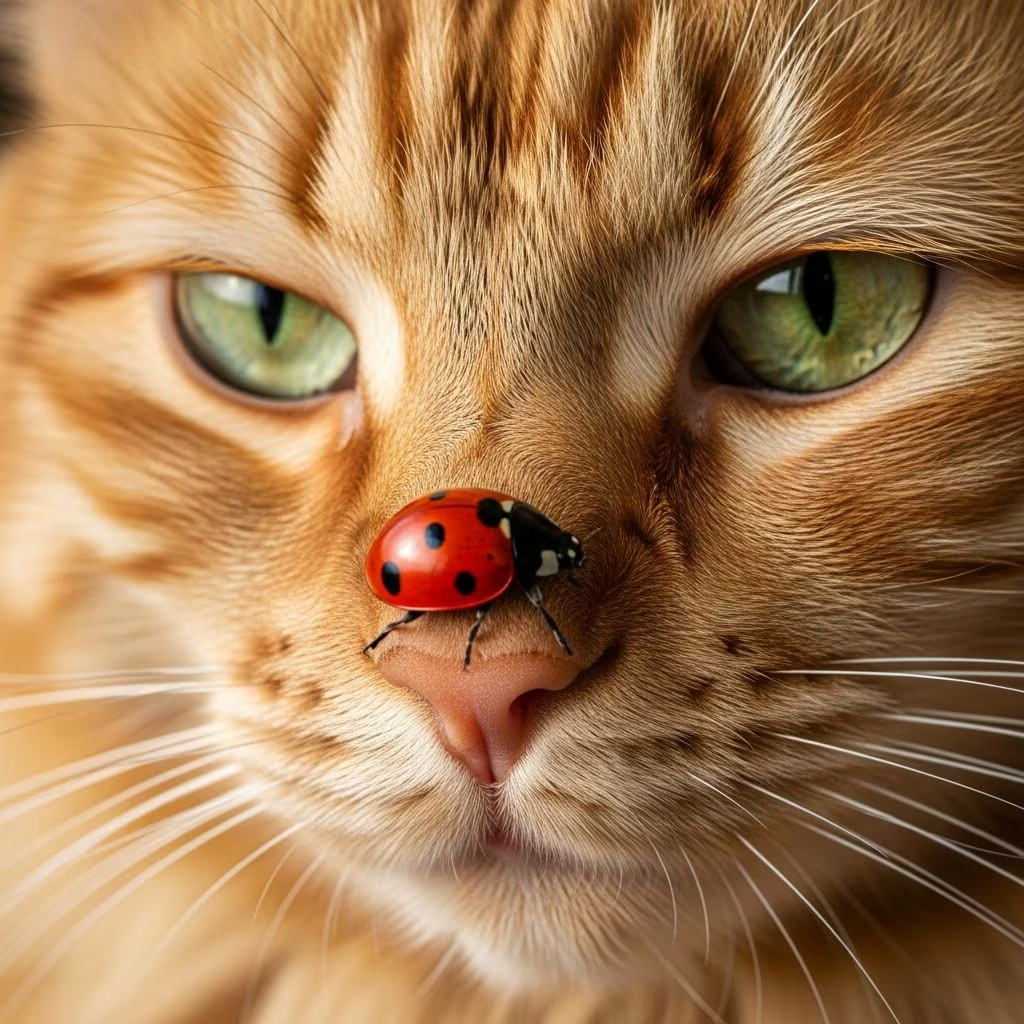
Ladybugs, those vibrant garden allies, captivate cats with their bright hues and slow movements. While a single nibble rarely spells trouble, certain species carry mild toxins that can upset a cat’s stomach or cause irritation. Understanding the nuances helps pet owners respond wisely to curious feline encounters.
The Allure of Ladybugs for Cats
Cats view ladybugs as intriguing playthings or snacks due to their vivid red, orange, or yellow shells dotted with black spots. These insects munch on garden pests like aphids, earning them a welcome spot outdoors. Indoors, however, swarms during cooler months turn homes into battlegrounds where cats pounce instinctively.
Feline hunting instincts drive this behavior. A cat’s sharp senses detect the ladybug’s faint chemical scent, often released as a defense. Most cats spit out the bug after one taste, deterred by its bitter flavor from pyrazines—alkaloid compounds in their hemolymph.
Varieties of Ladybugs: Not All Equal
Over 5,000 ladybug species exist globally, but only a handful commonly interact with pets. Native types like the seven-spotted or nine-spotted ladybug feature classic patterns and lower toxin levels. In contrast, the multicolored Asian lady beetle (Harmonia axyridis), an invasive pest, dominates U.S. homes and gardens.
- Native Ladybugs: Smaller, spotted red shells; minimal risk unless consumed en masse.
- Asian Lady Beetles: Larger, with white faces marked ‘M’; higher toxin concentration, prone to biting and invading homes.
- Other Variants: Brown larch types blend into bark, carrying the least toxins; black-with-red-spot species pack potent defenses.
Distinguishing them matters: Asian beetles cluster in thousands on walls, signaling infestation risks beyond pet health.
Potential Health Effects on Cats
Ingestion triggers vary by quantity and type. A lone ladybug typically causes fleeting discomfort—a grimace and head shake. Multiple beetles introduce toxins irritating mouth tissues and digestive tracts.
| Symptom | Description | Severity |
|---|---|---|
| Drooling | Excess saliva from bitter taste or oral burns | Mild |
| Vomiting | Stomach rejection of indigestible shells | Mild to Moderate |
| Lethargy | Reduced energy post-upset | Moderate |
| Constipation | Hard elytra blocking bowels | Moderate to Severe |
| Behavioral Shifts | Irritability or hiding | Rare |
These mirror dog cases, as feline-specific reports remain scarce. Toxins like harmonine in Asian beetles provoke inflammation, but lethality is unheard of in cats.
Color Clues and Toxin Levels
Ladybug hues signal defense strength, rooted in evolutionary warnings. Brighter shades advertise higher alkaloid loads to deter predators.
- Brown: Least toxic; camouflage specialists.
- Orange: Peak potency, often Asian beetles; highest allergy risk.
- Red: Moderate defenses; common predators themselves.
- Black with Red Spots: Strong reactions possible.
Healthline research confirms orange variants lead in pyrazine content, explaining amplified pet reactions.
Immediate Steps After Ingestion
Spot your cat batting a ladybug? Observe calmly. For one or two:
- Wipe their mouth gently with a damp cloth.
- Offer water to rinse bitterness.
- Watch for 24 hours.
Mass consumption—say, during a swarm—demands vet contact. Describe beetle type, count, and symptoms. Vets may induce vomiting, administer fluids, or monitor for impaction. No home remedies beat professional care; avoid forcing milk or oils, which worsen blockages.
Preventing Ladybug Encounters
Proactive measures keep bugs at bay without harming garden benefits.
- Seal cracks around windows, doors, and vents.
- Use screens and weatherstripping.
- Vacuum swarms promptly, disposing outside.
- Plant deterrent herbs like chives or garlic near entries.
- Employ natural repellents: soapy water sprays outdoors.
For infestations, professionals target entry points sans harsh chemicals toxic to cats.
Broader Insect Risks for Indoor Cats
Ladybugs aren’t solitary threats. Cats hunt spiders, crickets, and ants too. While most pass harmlessly, prioritize:
- Avoiding pesticides indoors.
- Supervising outdoor prowls.
- Maintaining litter hygiene to curb bug attractions.
Enrich environments with toys mimicking prey, channeling instincts safely.
Veterinary Perspectives on Insect Ingestion
Vets note ladybug cases as low-priority emergencies. Dial A Vet affirms most pass uneventfully, urging monitoring over panic. ASPCA and AKC echo: single ingestions seldom escalate. Rare multiples mimic food poisoning, resolving with supportive care.
FAQs
Can one ladybug kill a cat?
No, isolated incidents pose no fatal risk. Toxins require volume for impact.
Do ladybugs bite cats?
Asian types may nip, causing minor pain but no infection risk.
How to identify toxic ladybugs?
Orange with ‘M’ on head flags Asian beetles; avoid clusters indoors.
What if my cat vomits after eating ladybugs?
Monitor hydration; seek vet if persistent beyond 12 hours.
Are ladybugs safe in gardens with cats?
Yes, natural pest control outweighs rare ingestion risks.
Long-Term Feline Wellness Tips
Beyond bugs, holistic care fortifies resilience: balanced diets, routine checkups, parasite preventives. Train ‘leave it’ commands for insect deterrence. Gardens thrive with ladybugs, cats flourish with vigilance.
References
- Are Ladybugs Poisonous? What You Need to Know — Healthline. 2023-05-15. https://www.healthline.com/health/are-ladybugs-poisonous
- Are ladybugs toxic? Safety for pets & humans — Dr. Killigan’s (citing Cornell University and UC ANR). 2025-10-06. https://drkilligans.com/blogs/insects/are-ladybugs-toxic
- My cat just ate a ladybug. Should I be worried or is it harmless? — Dial A Vet. 2024-01-01. https://www.dialavet.com/vet-answers/cat-ate-ladybug-harmless-or-worried-199493
- Are ladybugs harmful? — Texas A&M AgriLife Today. 2021-12-03. https://agrilifetoday.tamu.edu/2021/12/03/are-ladybugs-harmful/
- Are Ladybugs Poisonous to Cats? Vet-Confirmed Toxicity — Catster. 2024-06-12. https://www.catster.com/cat-health-care/are-ladybugs-poisonous-to-cats/



