
Lady Gouldian Finch: Essential Care And Breeding Guide
Complete guide to caring for Lady Gouldian Finches: housing, feeding, breeding, and health.
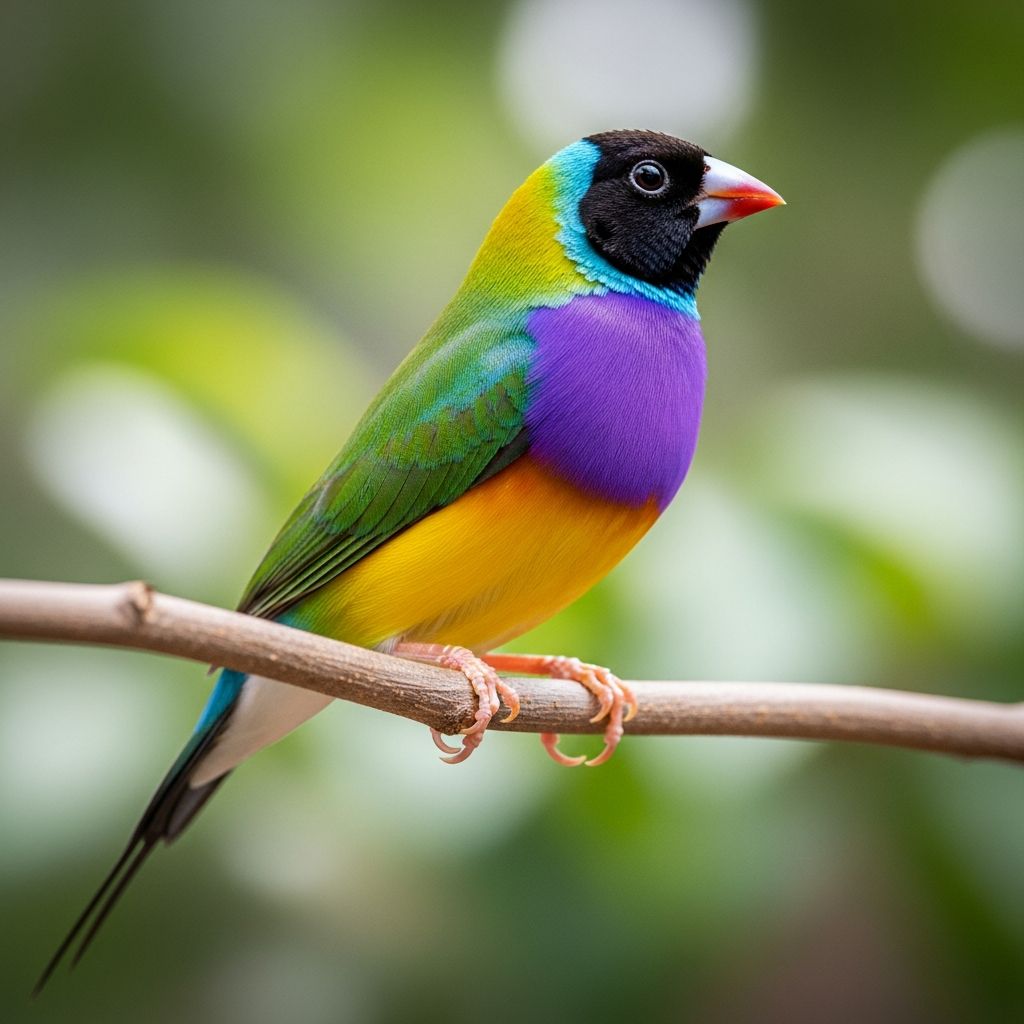
Lady Gouldian Finch: A Complete Care and Breeding Guide
The Lady Gouldian Finch, also known as the Gouldian Finch, is one of the most visually stunning birds available to aviculturists and pet owners. Named after the wife of explorer John Gould, these Australian natives are renowned for their brilliant plumage and distinctive head markings. Despite their incredible beauty, these finches require specific care and attention to thrive in captivity. This comprehensive guide covers everything you need to know about keeping, housing, breeding, and maintaining the health of these remarkable birds.
Understanding the Lady Gouldian Finch
Species Characteristics and Appearance
Lady Gouldian Finches are small, delicate birds that display extraordinary coloration. The birds are primarily green on the back, with a yellow or orange chest and underparts. Their distinctive feature is their head coloring, which comes in several natural variations including red, black, orange, and yellow. Female Gouldian finches tend to be lighter overall in color than males, making sexual dimorphism relatively easy to identify. When male birds are in breeding condition, their beaks turn reddish on the tip, providing another visual indicator of breeding readiness.
These finches are very active birds with relatively low noise levels compared to other pet species. Their small size and graceful movements make them fascinating to observe, and their inherent curiosity means they engage readily with their environment.
Housing Requirements
Cage Selection and Setup
Selecting appropriate housing is crucial for the wellbeing of Lady Gouldian Finches. The cage must be spacious enough to allow for flight and movement, as these are active birds. A minimum cage size should provide adequate horizontal space rather than height, as finches primarily navigate horizontally through their environment.
The cage should include multiple perches at varying heights, offering your birds options for resting and roosting. Natural wood perches are preferable to plastic alternatives, as they provide better grip and are more comfortable for extended periods. Include nesting boxes or nest-building materials if you intend to breed your birds, as they readily construct nests from provided materials.
Climate and Temperature Control
Lady Gouldian Finches are somewhat sensitive to temperature fluctuations. While they can be acclimated to cooler temperatures over time, sudden temperature changes should be avoided. These birds prefer temperatures between 70-75°F (21-24°C). If you live in a climate with freezing winters and wish to house birds outdoors, gradual acclimation is necessary, and backup heating should be available during temperature drops.
Proper ventilation is essential to prevent respiratory issues, but drafts should be avoided. Maintain consistent lighting patterns, as these birds respond well to natural light cycles. A 12-hour light and 12-hour dark cycle mimics their natural Australian habitat and supports healthy circadian rhythms.
Feeding and Nutrition
Primary Diet Composition
Lady Gouldian Finches require a varied diet to maintain optimal health. While they can subsist on a diet of quality finch seed mix, supplementation with soft foods and live foods significantly enhances their nutrition and breeding success. A high-quality commercial finch seed mix should form the foundation of their diet, but this should never be their only food source.
Live foods, particularly small insects, provide essential proteins and micronutrients that dried seeds cannot fully supply. While not absolutely required, incorporating live foods is highly encouraged, as it dramatically improves bird condition and breeding outcomes. Common live food options include small crickets, mealworms, and egg food preparations.
Soft Foods and Supplements
Soft foods are particularly important for breeding birds and young finches. These may include sprouted seeds, cooked grains, and specially formulated egg foods. Some owners introduce young birds to soft foods by utilizing a ‘teacher bird’ approach—housing them with canaries, society finches, or zebra finches that readily investigate and consume new foods. Young Gouldians learn by observing these birds and gradually begin eating novel food items themselves.
Feeding dish location matters significantly. In group settings, Gouldians maintain lookouts while others feed, but in smaller cages with fewer birds, they may be too timid to eat from floor-level dishes. Elevated feeding stations often encourage better food consumption in these situations.
Breeding Lady Gouldian Finches
Preparing for Breeding Season
Successfully breeding Lady Gouldian Finches requires careful preparation and attention to detail. Begin by ensuring your birds are in excellent health and prime breeding condition. Males should display vibrant colors and active courtship behaviors, while females should be well-nourished and without signs of stress or illness.
Provide appropriate nesting boxes and materials. Gouldians are highly curious about new nesting opportunities and will eagerly inspect unfamiliar nest boxes when provided. The dominant pair typically claims the first available box, establishing a pecking order among colony residents. Include padding material such as coconut fiber or paper-based bedding to protect eggs.
Colony Breeding Versus Pair Breeding
Colony breeding involves housing multiple pairs together, which can be highly successful when managed properly. Male birds in colony settings engage in friendly competition during courtship, stimulating breeding activity. However, careful observation ensures no pair monopolizes breeding resources or exhibits aggression.
Some breeders prefer smaller-scale pair breeding, housing individual pairs in separate cages. This approach allows for more controlled genetics and individual bird monitoring but requires more space and equipment.
Incubation and Hatchling Care
Once eggs are laid, parent birds typically incubate them for approximately 12-14 days. Monitor nests around day 10 after hatching to ensure all nestlings are viable and remove any dead chicks or unhatched eggs. This prevents disease and allows parents to focus energy on healthy offspring.
If parent birds refuse to incubate or raise young, you must transfer eggs to foster parents—typically canaries or society finches—or hand-feed the nestlings yourself. Hand-feeding requires precise technique, appropriate formulas, and strict hygiene to prevent aspiration and infection.
Health and Disease Management
Common Health Concerns
Lady Gouldian Finches are susceptible to various illnesses that require prompt recognition and intervention. One particularly prevalent illness affects many captive populations and can be prevented through proper management. Egg binding affects females and requires immediate veterinary attention when suspected.
Respiratory infections, parasitic infestations, and nutritional deficiencies also occur in captive birds. Preventive care through proper diet, clean housing, and appropriate temperatures significantly reduces disease incidence.
Preventive Care Practices
Maintain meticulous cage hygiene, changing water and food daily. Perches should be cleaned regularly to prevent bacterial growth. Quarantine new birds before introducing them to existing flocks to prevent disease transmission. Observe your birds daily for signs of distress, behavioral changes, or physical abnormalities.
Provide adequate rest periods, particularly during molting and non-breeding seasons. During winter months, remove nest boxes to discourage laying and allow birds time for recovery and molt completion. This seasonal rhythm supports long-term health and prepares birds for future breeding cycles.
Compatibility with Other Bird Species
Lady Gouldian Finches can cohabitate with compatible species when housed in appropriately sized aviaries. Zebra finches, canaries, and society finches are commonly housed alongside Gouldians without conflict. These compatible species often serve as excellent teacher birds, helping young Gouldians learn proper feeding behaviors and social interactions.
Avoid housing Gouldians with aggressive species or birds significantly larger than themselves. While Gouldians establish pecking orders within their species, they can be injured by more dominant or territorial birds.
Lifespan and Long-Term Care
With proper care, Lady Gouldian Finches can live up to 7 years in captivity. Longevity depends on consistent, appropriate husbandry practices including proper nutrition, environmental control, disease prevention, and stress reduction. Establish a routine that accounts for seasonal changes and provides birds with appropriate rest periods.
Key Considerations Before Acquiring Lady Gouldian Finches
Before purchasing Lady Gouldian Finches, carefully consider your ability to provide:
- Appropriate cage space and specialized housing equipment
- Varied, high-quality diet including live and soft foods
- Temperature control and consistent environmental management
- Regular health monitoring and access to avian veterinary care
- Time commitment for daily care and observation
- Space for additional birds if breeding is intended
These birds are more challenging to maintain compared to zebra finches and require dedicated commitment from their caretakers.
Frequently Asked Questions
Q: Can Lady Gouldian Finches be kept outdoors?
A: Yes, but they require gradual acclimation to outdoor conditions and should not be exposed to freezing temperatures without adequate heat sources. Most do better in indoor or controlled aviaries.
Q: What is the most common health problem in Lady Gouldian Finches?
A: While specific illnesses vary, proper management and nutrition prevent most serious conditions. Consultation with an avian veterinarian about your specific birds is recommended.
Q: How can I encourage shy birds to eat new foods?
A: Introduce a teacher bird species that readily accepts novel foods. Young Gouldians learn by observing established birds eating unfamiliar items.
Q: Are Lady Gouldian Finches suitable for beginners?
A: These birds are better suited for experienced finch keepers due to their specific care requirements compared to other finch species.
Q: What temperature range do Lady Gouldian Finches prefer?
A: They thrive in temperatures between 70-75°F (21-24°C) and should be protected from sudden temperature fluctuations.
References
- The Gouldian Finch Handbook — Tanya Logan. 2023. Comprehensive guide covering all aspects of Gouldian Finch care and breeding.
- What You Need to Know to Keep and Breed Lady Gouldian Finches — Bird Nerd Channel. 2024. Video guide covering breeding techniques, temperature management, and nutrition for Gouldian Finches. https://www.youtube.com/watch?v=PLJzSxHGRNE
- Pet Care Leaflet: Caring for Your Gouldian Finch — Notcutts Garden Centers. 2021. Care guidelines and health information for Lady Gouldian Finches. https://www.notcutts.co.uk
- Breeding or Life Routine? – Part 1 — Lady Gouldian Finch Supplies. Expert guidance on breeding seasons and feeding strategies for Gouldian Finches. https://www.ladygouldianfinch.com
Similar Articles








Read full bio of Sneha Tete


