

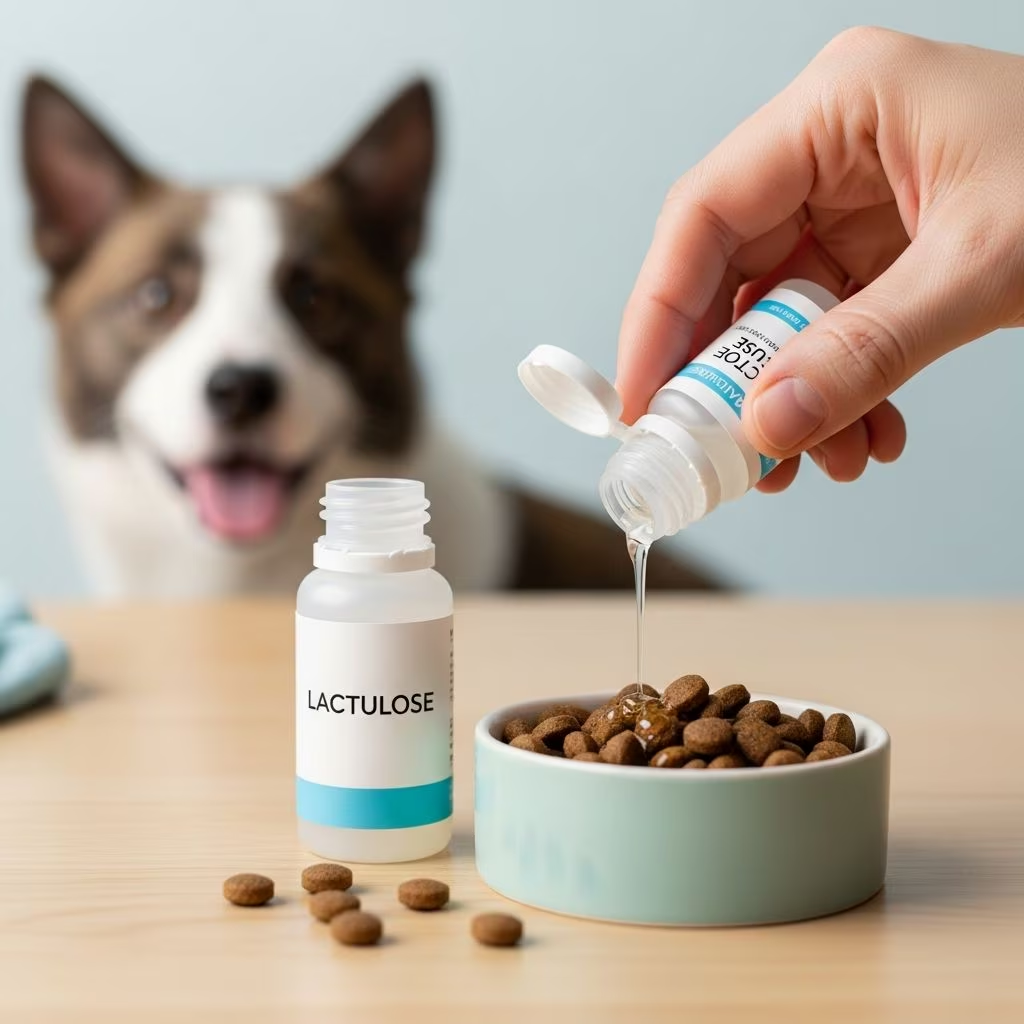
Lactulose serves as a key medication in veterinary care for dogs and cats, primarily addressing chronic constipation and hepatic encephalopathy by drawing water into the intestines and trapping ammonia in the colon.
Understanding the Medication
This synthetic disaccharide, composed of galactose and fructose, remains undigested in the upper gastrointestinal tract. Bacteria in the large intestine break it down into short-chain fatty acids, which lower the colon’s pH. This process pulls water into the bowel for softer stools and converts blood ammonia into ammonium ions that exit via feces, easing liver-related neurological symptoms.
Primary Applications in Canine and Feline Health
Veterinarians prescribe lactulose for two main issues in pets.
- Chronic Constipation: Ideal for cases like megacolon, where hardened stools resist passage. It softens feces without harsh stimulation.
- Hepatic Encephalopathy (HE): Common in pets with portosystemic shunts, liver failure, or fibrosing liver disease. By reducing serum ammonia, it prevents disorientation, seizures, and coma.
Beyond these, it aids in managing rectal-anal polyps in dogs by promoting easier defecation.
How It Functions in the Body
Once ingested, lactulose reaches the colon intact. Local bacteria ferment it, producing acids that acidify contents and osmotically retain fluid. For HE, this traps ammonia from circulation, preventing brain toxicity. Effects typically appear within 24-48 hours, though individual responses vary.
| Condition | Mechanism | Expected Onset |
|---|---|---|
| Constipation | Osmotic pull of water into colon | 24-48 hours |
| Hepatic Encephalopathy | Ammonia trapping via pH change | 1-2 days |
Administering to Dogs
For dogs, dosing depends on weight and condition. Chronic constipation requires about 1 ml per 10 lbs body weight, given three times daily. Hepatic encephalopathy calls for 15-30 ml every four times a day, adjusted for stool consistency aiming for two soft movements per day.
Oral syrup is standard, mixed with food if needed. In crises like seizures from HE, veterinarians may use retention enemas for rapid action.
Administering to Cats
Cats receive smaller doses: 0.25-1 ml per cat for HE, up to four times daily, or tailored for constipation. Precision is crucial due to their size; use a syringe for accuracy. Monitor for ideal stool frequency.
Dosage Guidelines Overview
| Pet Type | Condition | Typical Dose | Frequency |
|---|---|---|---|
| Dogs | Constipation | 1 ml/10 lbs | 3x daily |
| Dogs | HE | 15-30 ml | 4x daily |
| Cats | Constipation/HE | 0.25-1 ml | 2-4x daily |
Always follow veterinary instructions; adjust based on response.
Potential Adverse Reactions
Most pets tolerate lactulose well, but excessive dosing leads to loose stools, flatulence, or bloating. These often resolve by reducing intake. Dehydration or electrolyte shifts pose risks in vulnerable animals.
- Diarrhea: Primary sign of overdose; dial back dose.
- Gas and cramping: Common initially, usually mild.
- Rare: Vomiting or lethargy, warranting vet contact.
Critical Warnings and Interactions
Avoid in pets with bowel obstructions or galactosemia. Use cautiously in diabetics, as it may alter insulin needs. Do not combine with other laxatives. Dehydrated or electrolyte-imbalanced pets require monitoring. Though poorly absorbed, consult vets for pregnant or nursing animals.
Cardiovascular patients may face risks from fluid/electrolyte changes; pre-screening is essential.
Monitoring Your Pet’s Progress
Track stool quality, frequency, behavior, and appetite. For HE, note neurological signs like head pressing or circling. Regular vet check-ins ensure blood ammonia levels stay controlled. Hydration support via wet food or water additives aids efficacy.
Complementary Care Strategies
Pair lactulose with high-fiber diets, probiotics, and exercise for constipation. Liver-supportive nutrition benefits HE cases. Never self-medicate; professional oversight maximizes safety.
Frequently Asked Questions
Is lactulose safe for long-term use in pets?
Yes, when dosed properly under vet supervision, it’s suitable for chronic conditions like megacolon or ongoing HE management.
Can lactulose treat kidney disease in dogs?
No, it’s ineffective for kidney issues and may worsen dehydration or electrolytes; not recommended.
How quickly does it work for constipated cats?
Typically 24-48 hours, but persistent cases need vet reassessment.
Does it interact with diabetes meds?
Possible; monitor blood sugar and consult your vet for adjustments.
Is an enema form available for emergencies?
Yes, vets use retention enemas for acute HE episodes like coma or seizures.
Procuring and Storing the Medication
Prescription-only, available as flavored syrup from compounding pharmacies. Store at room temperature, away from light; shake well before use. Shelf life post-opening is generally months.
Alternatives When Lactulose Isn’t Suitable
Options include polyethylene glycol for constipation or rifaximin for HE, but only per vet recommendation. Dietary fibers like psyllium offer milder relief.
References
- Lactulose for Veterinary Use — Wedgewood Pharmacy. 2023. https://www.wedgewood.com/professional-monographs/lactulose-for-veterinary-use/
- Lactulose (Constulose®, Enulose®, Generlac®, Kristalose®) — PetMD. 2024. https://www.petmd.com/pet-medication/lactulose-constulose-enulose-generlac-kristalose
- Lactulose (Cephalic, Kristalose) for Dogs and Cats — PetPlace.com. 2023. https://www.petplace.com/article/drug-library/drug-library/library/lactulose-cephalic-kristalose-for-dogs-and-cats
- Lactulose Solution Laxative for Dogs and Cats — PetCareRx. 2025. https://www.petcarerx.com/lactulose-solution/11456
- Lactulose for Dogs and Cats — Wedgewood Pharmacy. 2024. https://www.wedgewood.com/medications/lactulose/



