

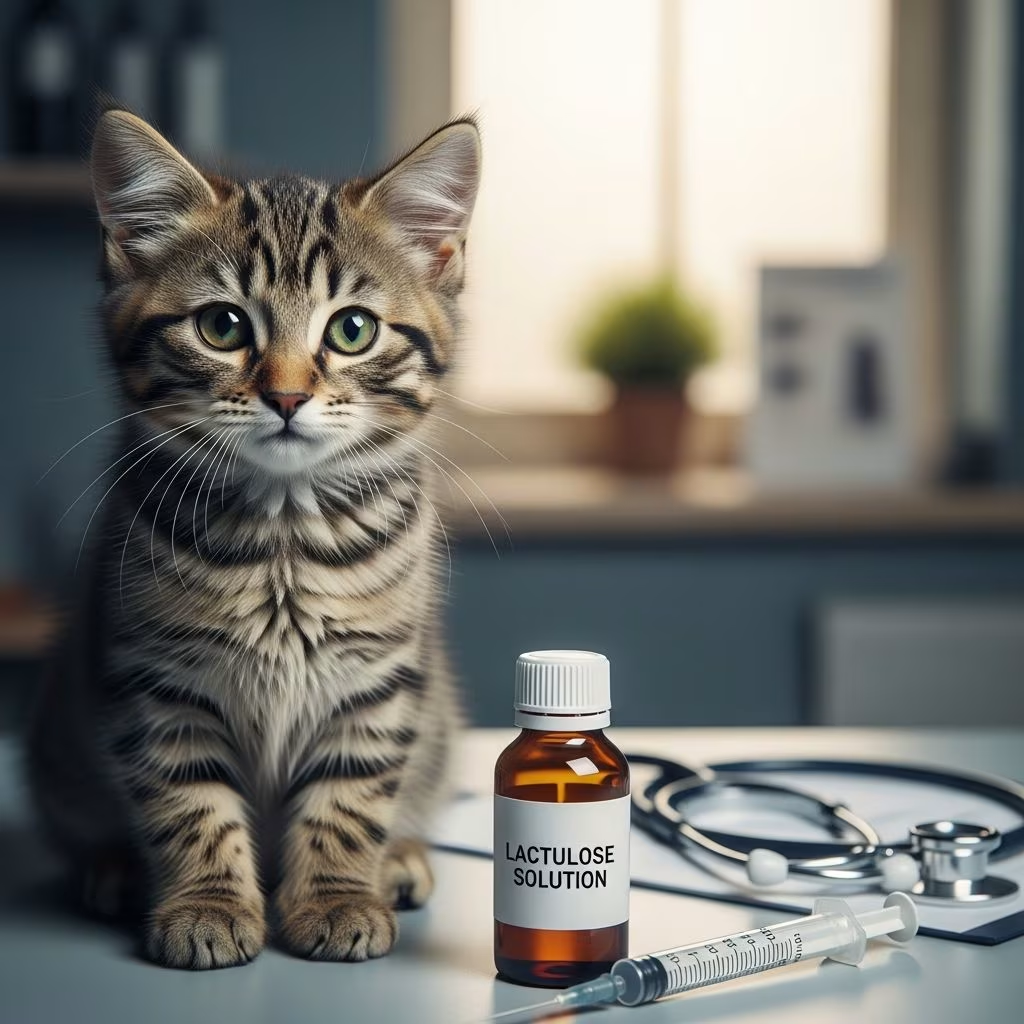
Understanding Lactulose and Its Role in Feline Medicine
Lactulose represents an important pharmaceutical tool in veterinary medicine, particularly for addressing gastrointestinal and hepatic concerns in feline patients. This nonabsorbable disaccharide osmotic laxative—commonly recognized under brand names such as Cephulac and Kristalose—functions through multiple mechanisms to support feline health. Beyond its primary role as a stool-softening agent, lactulose demonstrates therapeutic value in managing systemic ammonia levels, making it versatile for cats facing different medical challenges.
The medication operates by drawing water into the bowel through osmotic action, thereby increasing stool moisture and facilitating easier bowel movements. Additionally, lactulose serves as an ammonia detoxicant, which becomes particularly relevant for cats experiencing hepatic complications where the liver’s capacity to eliminate excess ammonia becomes compromised. Understanding both the benefits and potential drawbacks of this medication enables cat owners and veterinarians to make informed decisions about its use.
Primary Medical Applications in Feline Patients
Constipation Management
Constipation represents the most frequent reason veterinarians prescribe lactulose to cats. Feline constipation can stem from various underlying conditions, including dehydration, dietary insufficiency, pain-related mobility issues, or anatomical abnormalities. When constipation becomes chronic or recurrent, cats may develop obstipation—a severe condition where hardened stool creates actual blockages within the colon. Lactulose addresses these situations by increasing water content within fecal matter, reducing the strain associated with defecation and promoting more regular bowel activity. For cats with megacolon, a condition characterized by abnormal colonic dilation and impaired motility, regular lactulose administration can provide significant symptomatic relief.
Hepatic Encephalopathy Treatment
The liver’s primary responsibility includes metabolizing ammonia, a byproduct of protein breakdown within the body. When hepatic function becomes compromised through disease or dysfunction, excess ammonia accumulates in the bloodstream, crossing the blood-brain barrier where it acts as a neurotoxin. This condition, known as hepatic encephalopathy, can produce concerning neurological manifestations in affected cats. Lactulose works by promoting ammonia elimination through the colon, effectively reducing systemic ammonia levels and alleviating associated neurological symptoms. Cats experiencing hepatic encephalopathy may display lethargy, behavioral alterations, digestive disturbances, and serious neurological signs including seizures, head-pressing behaviors, and coordination difficulties.
Administration Challenges and Practical Considerations
Despite its therapeutic efficacy, lactulose presents practical challenges in feline administration. The medication’s standard formulation arrives as a sticky liquid that many cats find unpalatable. Direct oral administration of this viscous substance frequently results in excessive drooling, facial contamination, and resistance from the patient, creating stress for both cat and caregiver. The medication typically requires twice-daily dosing to achieve desired therapeutic effects, adding to the frequency of administration required.
Fortunately, alternative formulations have emerged to address these compliance issues. Crystal or powder versions of lactulose—such as Kristalose—may be mixed with food or water, potentially offering easier administration for cats that resist liquid medications. Veterinarians can discuss these options with cat owners to identify the most practical approach for their specific situation.
Common Side Effects and Adverse Reactions
Gastrointestinal Disturbances
The most frequently reported adverse effects of lactulose involve the digestive system. Because lactulose undergoes bacterial fermentation in the colon, producing free fatty acids and gas, cats may experience excessive flatulence and abdominal distention. Stomach cramping often accompanies these symptoms, particularly when therapy initiates. These gas-related symptoms typically emerge early in treatment but frequently diminish as the feline digestive system adapts to the medication.
Diarrhea represents another common gastrointestinal side effect, though this occurrence typically results from dosing that exceeds the cat’s individual tolerance threshold. While mild gastrointestinal upset may resolve independently, persistent or severe diarrhea warrants veterinary evaluation and potential dose adjustment.
Electrolyte and Hydration Complications
Excessive lactulose administration can precipitate significant diarrhea, leading to fluid loss and subsequent dehydration. This fluid depletion becomes accompanied by electrolyte disturbances, including imbalances in sodium, potassium, and other essential minerals critical for normal bodily function. Cats with pre-existing electrolyte abnormalities require particular caution, as lactulose administration may exacerbate these existing imbalances. Proper dosing calibration and monitoring help prevent these serious complications.
Recognizing When Lactulose May Be Inappropriate
Contraindicated Medical Conditions
Lactulose should never be administered to cats suffering from intestinal obstruction or obstipation, where hardened stool creates an actual blockage within the colon. Introducing a laxative in these circumstances can worsen the condition and potentially cause intestinal rupture. Similarly, cats with known hypersensitivity or allergic reactions to lactulose should not receive the medication.
Diabetic cats warrant cautious use of lactulose, as the medication may affect insulin requirements. Cats with pre-existing fluid imbalances or those predisposed to dehydration require careful monitoring and potentially modified dosing protocols. Cats receiving certain antibiotics or antacids may experience interactions with lactulose, necessitating veterinary consultation regarding medication compatibility.
Monitoring for Inadequate Response
Veterinarians typically expect observable bowel movements within 12-24 hours of lactulose administration. Failure to produce stools within this timeframe may indicate that the current dose requires adjustment or that an underlying obstruction prevents the medication from achieving its intended effect. If a cat fails to produce stools despite lactulose administration, particularly if accompanied by decreased appetite, vomiting, or signs of significant discomfort, immediate veterinary examination becomes essential to rule out serious complications.
Dosing Strategies and Individual Variation
Customized Dosing Protocols
Effective lactulose therapy depends on individualizing doses based on the specific cat’s needs and response patterns. The appropriate dose varies considerably between individual feline patients, influenced by factors such as body weight, age, overall health status, and the underlying condition being treated. Veterinarians assess stool quality and consistency to determine whether the current dose produces optimal results without causing excessive softness or other adverse effects.
Cats demonstrating good tolerance may require dose increases to achieve therapeutic goals, while others may benefit from dose reduction if gastrointestinal symptoms emerge. Regular communication with the prescribing veterinarian allows for ongoing dose refinement as treatment progresses.
Side Effects Comparison and Timeline
| Side Effect | Timing of Onset | Typical Duration | Severity Level | Management Strategy |
|---|---|---|---|---|
| Flatulence/Gas | Early (days 1-3) | Usually resolves within 1-2 weeks | Mild to Moderate | Continue therapy; typically self-limiting |
| Stomach Cramping | Early (days 1-3) | 1-2 weeks with adaptation | Mild to Moderate | Monitor; reduce dose if severe |
| Mild Diarrhea | Variable | Resolve with dose adjustment | Mild | Reduce dose; increase water access |
| Severe Diarrhea | Variable | Dependent on intervention | Moderate to Severe | Contact veterinarian; dose reduction essential |
| Dehydration | Variable | Requires intervention | Moderate to Severe | Veterinary care; fluid therapy may be needed |
| Electrolyte Imbalance | Variable | Requires intervention | Moderate to Severe | Veterinary evaluation and treatment |
Safety Profile and Risk Assessment
Despite its potential side effects, lactulose maintains a favorable safety profile when prescribed appropriately by veterinarians. The medication’s non-systemic nature—meaning it remains largely within the gastrointestinal tract rather than entering the bloodstream—contributes to its overall safety. Most adverse effects, particularly those involving gastrointestinal disturbance, tend to be self-limiting and diminish as the cat’s digestive system adapts.
However, overdose scenarios require veterinary attention. Excessive lactulose administration precipitates severe diarrhea, dehydration, and potentially serious electrolyte disturbances. If a cat receives an unusually large dose, veterinary consultation becomes advisable even if the cat currently appears well, as complications may develop over subsequent hours.
What Happens During Lactulose Overdose?
When cats receive excessive lactulose, the resulting osmotic effect becomes exaggerated, drawing substantial fluid into the colon and producing profuse diarrhea. This fluid loss leads to dehydration, which can be particularly dangerous in very young, elderly, or already compromised cats. Additionally, the electrolyte losses accompanying severe diarrhea can disrupt critical mineral balances essential for heart function, nerve transmission, and muscular activity. A cat displaying signs of painful cramping, appearing hunched or uncomfortable, with continued watery diarrhea following what may have been an accidental overdose warrants immediate veterinary evaluation.
Frequently Asked Questions About Lactulose in Cats
Is lactulose completely safe for cats?
Lactulose is generally considered safe when prescribed and monitored by a veterinarian. However, like all medications, it carries potential for adverse effects, particularly if improperly dosed or used in cats with specific contraindicated conditions. Veterinary oversight ensures appropriate use and early detection of complications.
How long does it take for lactulose to work?
Most cats should produce a bowel movement within 12-24 hours of lactulose administration. If no results appear within this timeframe, the dose may require adjustment, or the situation may warrant further diagnostic evaluation to exclude obstruction or other complications.
Can lactulose be given long-term?
Yes, cats with chronic constipation or chronic hepatic encephalopathy may receive lactulose on an ongoing basis. Long-term use requires periodic veterinary evaluation to ensure continued appropriateness, proper dosing, and absence of emerging complications.
What should I do if my cat experiences side effects?
Mild gastrointestinal symptoms often resolve independently with continued therapy. However, persistent symptoms, severe diarrhea, signs of dehydration, or behavioral changes warrant veterinary consultation. The veterinarian may adjust the dose, consider alternative formulations, or explore entirely different therapeutic approaches.
Are there alternatives to lactulose for constipated cats?
Various approaches to feline constipation management exist, including dietary modifications, increased water intake, stool softeners, and addressing underlying medical conditions. Discussion with your veterinarian can identify the most appropriate option for your cat’s specific situation.
Conclusion and Clinical Recommendations
Lactulose represents a valuable therapeutic option for cats experiencing constipation or hepatic encephalopathy, offering meaningful benefits when used appropriately. While potential side effects exist, most prove manageable through careful dosing, monitoring, and communication with veterinary professionals. The sticky liquid formulation presents administration challenges, but alternative formulations provide options for cats that resist conventional dosing. Regular veterinary oversight ensures that lactulose therapy remains both safe and effective throughout the treatment course, with dose adjustments made as needed based on the individual cat’s response and tolerance. Cat owners should never hesitate to contact their veterinarian with concerns about side effects or treatment effectiveness, as professional guidance is essential for optimizing outcomes.
References
- Lactulose for Cats: Overview, Dosage & Side Effects — Cats.com. https://cats.com/lactulose-for-cats
- Lactulose (Cephalic, Kristalose) for Dogs and Cats — PetPlace.com. https://www.petplace.com/article/drug-library/drug-library/library/lactulose-cephalic-kristalose-for-dogs-and-cats
- Lactulose for Dogs and Cats — Wedgewood Pharmacy. https://www.wedgewood.com/medications/lactulose/
- Lactulose (Constulose®, Enulose®, Generlac®, Kristalose®) — PetMD. https://www.petmd.com/pet-medication/lactulose-constulose-enulose-generlac-kristalose
- Lactulose — Dr. Barchas. https://drbarchas.com/lactulose/



