

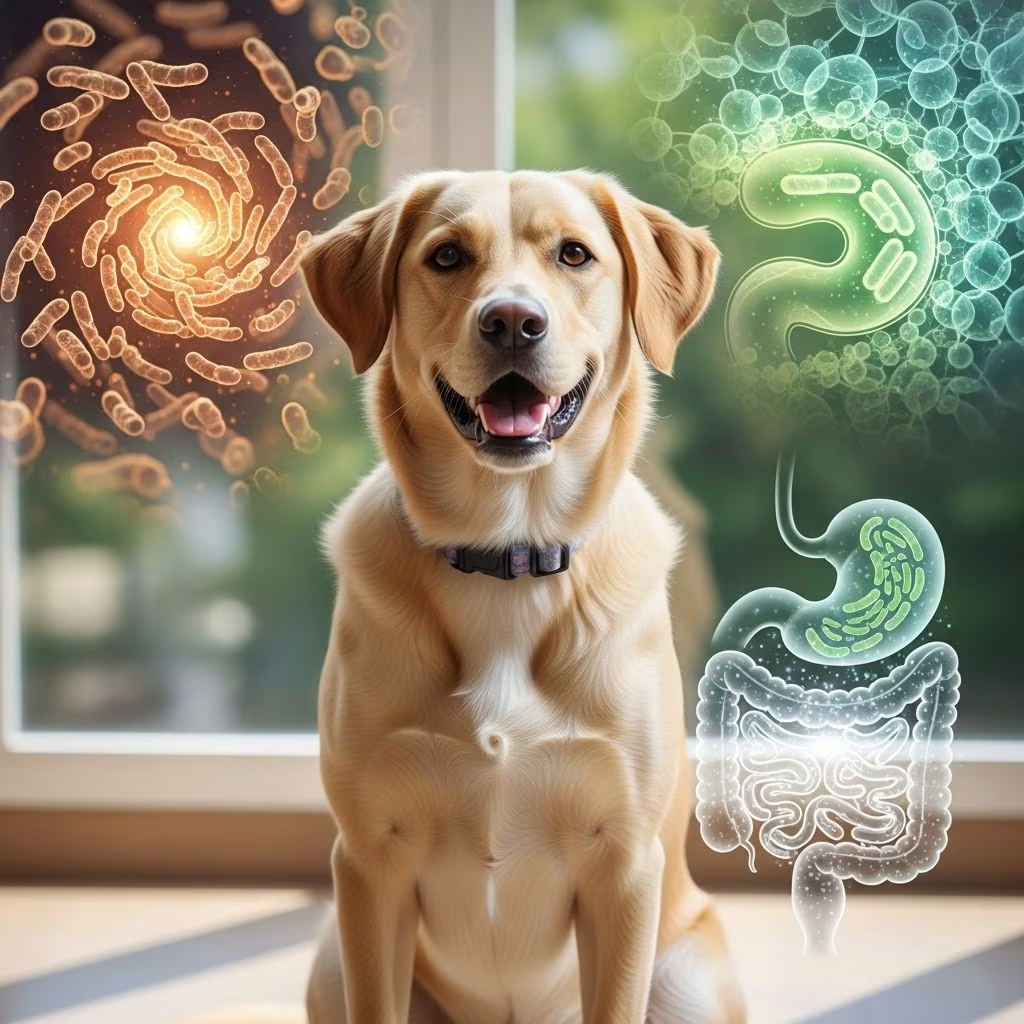
Lactobacillus acidophilus is a beneficial bacterium widely recognized for its role in maintaining a healthy gut microbiome in dogs. This probiotic strain helps balance intestinal flora, supports nutrient absorption, and enhances immune responses, making it a valuable supplement for canine wellness.
The Role of Probiotics in Dogs’ Digestive Systems
Probiotics like Lactobacillus acidophilus are live microorganisms that confer health benefits when administered in adequate amounts. In dogs, they colonize the gastrointestinal tract, producing short-chain fatty acids that nourish intestinal cells and inhibit harmful pathogens. This process fosters a stable gut environment, crucial since a significant portion of a dog’s immune system resides in the gut.
Dogs possess a complex microbiome with ten times more microbial cells than human cells, underscoring the importance of maintaining microbial balance. Disruptions from antibiotics, stress, or dietary shifts can lead to issues like diarrhea or poor nutrient uptake, where probiotics restore equilibrium.
Key Benefits of Lactobacillus Acidophilus for Dogs
This strain stands out for its resilience in surviving the canine digestive tract, allowing it to reach the colon effectively. Research demonstrates its ability to improve stool consistency and populate the intestines, leading to tangible health improvements.
- Enhanced Digestion: It promotes better breakdown and absorption of nutrients, reducing bloating and irregular bowel movements.
- Immune Support: By modulating immune responses, it helps dogs combat infections and allergies more efficiently.
- Diarrhea Management: Effective against acute and chronic diarrhea, especially post-antibiotic use.
- Skin and Allergy Relief: Balances gut flora to alleviate dermatitis and food sensitivities.
- Stress Reduction: Contributes to calmer behavior by influencing the gut-brain axis.
A study involving 15 adult dogs fed food supplemented with over 10^9 L. acidophilus showed viable bacteria in feces, improved fecal scores, and shifts in blood parameters indicative of better intestinal and systemic health.
Scientific Evidence Supporting Its Use
Peer-reviewed studies confirm L. acidophilus’s viability in dry dog food and its survival through the GI tract. In one trial, dogs exhibited colonized colons and associated health markers after four weeks of supplementation, suggesting potential for routine use in promoting gut integrity.
Experts note its staple status in canine probiotics for broad gut support, including maintenance of healthy microflora balance. It produces B-complex vitamins and soothes GI disturbances, with durability against digestive enzymes.
| Benefit | Supporting Strain Evidence | Key Outcomes |
|---|---|---|
| Digestion Aid | L. acidophilus DSM13241 | Improved fecal quality, nutrient absorption |
| Immune Modulation | L. acidophilus | Reduced infections, allergy relief |
| Diarrhea Control | L. acidophilus + others | Shorter duration, better stool consistency |
When to Introduce Probiotics to Your Dog
Incorporate L. acidophilus during periods of vulnerability: after antibiotic treatments that wipe out beneficial bacteria, during dietary transitions, or amid stressful events like travel or new environments. It’s also ideal for dogs with recurrent diarrhea, inflammatory bowel conditions, or weakened immunity.
Veterinarians often recommend it for obesity management, as it influences glucose levels and supports weight control, alongside digestive disorders and immunosuppression.
Safe Dosage and Administration Methods
Dosage varies by dog size and product potency, typically ranging from 1-10 billion CFUs daily. Start low to monitor tolerance, administering via capsules, powders mixed in food, or probiotic-enriched kibble. Dog-specific formulas ensure strain compatibility, as human versions may lack efficacy for canines.
Consult a vet for tailored advice, especially for puppies, seniors, or those with health conditions. Viability is key—choose refrigerated or shelf-stable products with guaranteed live cultures.
Potential Side Effects and Precautions
Generally safe, mild initial gas or loose stools may occur as the microbiome adjusts. Rare risks include overgrowth in immunocompromised dogs, so veterinary oversight is essential. Avoid yogurt-based sources due to lactose intolerance in many dogs, opting instead for pure probiotic supplements.
Combining with Prebiotics for Optimal Results
Pair L. acidophilus with prebiotics—non-digestible fibers that feed beneficial bacteria—for synergistic effects. This combination amplifies probiotic colonization, enhancing gut barrier function and overall vitality.
Choosing the Right Probiotic Product
Select products listing CFU counts, specific strains like L. acidophilus, and canine formulation. Reputable brands undergo third-party testing for purity. Avoid generics lacking strain details or those marketed for humans only.
Real-World Applications and Case Insights
Dogs with antibiotic-associated diarrhea often recover faster with probiotics. Those prone to allergies show reduced itching, while anxious pets exhibit calmer demeanors. Long-term use supports preventive health, particularly in breeds susceptible to GI sensitivities.
Frequently Asked Questions (FAQs)
Can I give my dog human probiotics?
L. acidophilus strains are often safe, but dog-specific products with additional canine-suited bacteria like Enterococcus faecium are preferable for full benefits.
How long until I see results?
Improvements in digestion may appear within days, while immune benefits build over weeks of consistent use.
Is it safe for puppies?
Yes, in age-appropriate doses, but consult a vet to match the puppy’s developing gut needs.
Can probiotics help with my dog’s allergies?
By restoring gut balance, they can mitigate allergic responses and skin issues.
What’s the difference between probiotics and prebiotics?
Probiotics are live bacteria; prebiotics are fibers that nourish them, working best together.
Long-Term Wellness Strategies
Integrate probiotics into a holistic routine with high-quality diet, exercise, and regular check-ups. Monitor stool quality and energy levels as indicators of efficacy, adjusting as needed under professional guidance.
References
- Effects of probiotic Lactobacillus acidophilus strain DSM13241 in dogs — Journal of Veterinary Internal Medicine (PubMed). 2004. https://pubmed.ncbi.nlm.nih.gov/15027683/
- What’s Actually In Your Dog’s Probiotics? — American Kennel Club. Accessed 2026. https://www.akc.org/expert-advice/health/whats-in-dog-probiotics/
- Probiotics for Dogs: What You Need to Know — PetMD. Accessed 2026. https://www.petmd.com/dog/general-health/probiotics-dogs-what-you-need-know
- The Benefits of Prebiotics and Probiotics for Dogs — Animal Care Center of Castle Pines. Accessed 2026. https://www.animalcarectr.com/blog/the-benefits-of-prebiotics-and-probiotics-for-dogs
- Is it Safe to Use Human Probiotics for Dogs? — Total.Vet. Accessed 2026. https://total.vet/human-probiotics-for-dogs/



