

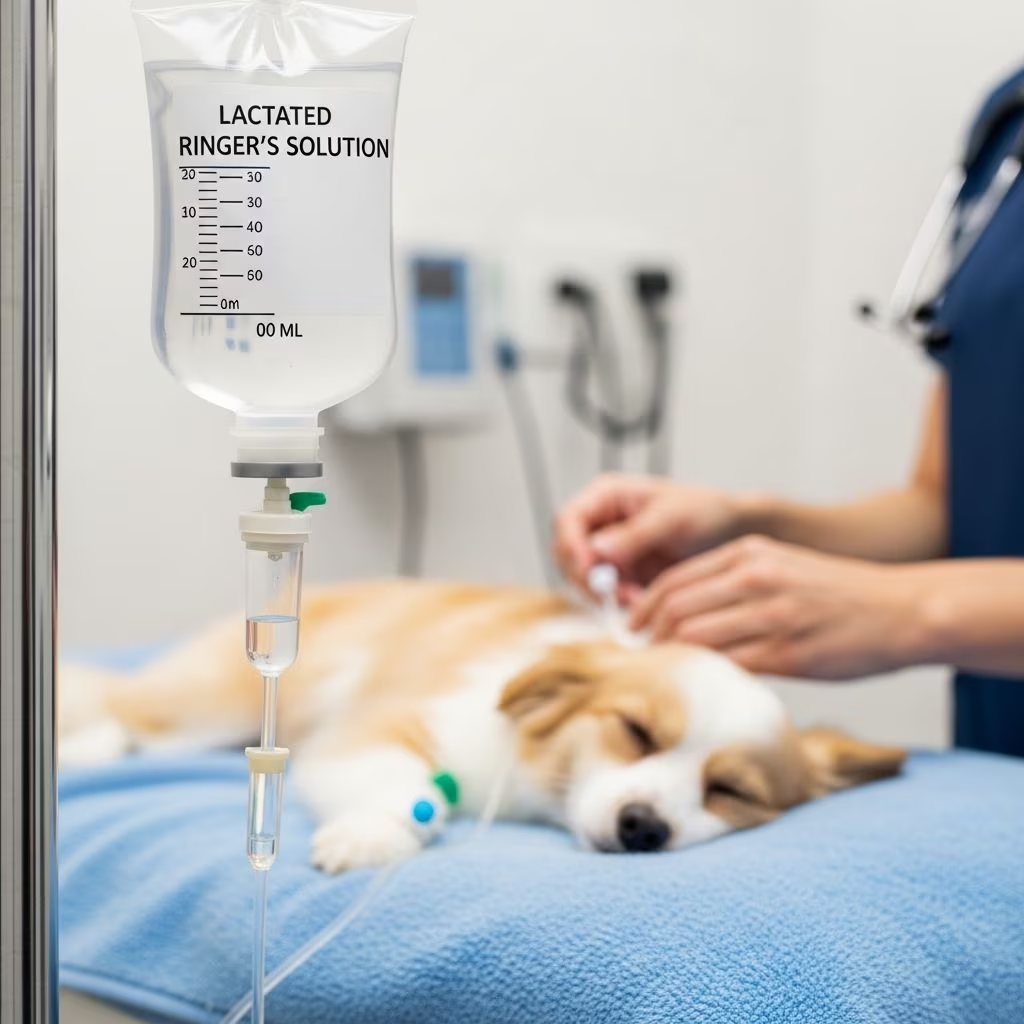
Understanding Lactated Ringer’s Solution for Pets
Lactated Ringer’s solution is a critical medication used in veterinary medicine to help maintain proper hydration and electrolyte balance in dogs, cats, and other animals. This sterile, balanced electrolyte solution serves as a source of essential water and salts that support various physiological functions in your pet’s body. Whether your pet has experienced fluid loss due to illness, surgery, or other medical conditions, lactated Ringer’s solution can play a vital role in their recovery and overall health maintenance.
The solution is FDA-approved for use in animals and is prescribed by veterinarians for a wide range of clinical situations. Understanding what this medication is, how it works, and how to administer it properly can help you provide better care for your pet when recommended by your veterinarian.
What is Lactated Ringer’s Solution?
Lactated Ringer’s solution, commonly abbreviated as LRS, is a specially formulated electrolyte replacement fluid designed specifically for veterinary use. The solution contains a careful balance of essential electrolytes and water that closely mimics the body’s natural fluid composition. This balanced formulation ensures that when administered, the solution effectively restores fluid volume and electrolyte concentrations without disrupting your pet’s delicate physiological balance.
The solution is available in sterile form in various container sizes, including 500 mL, 1000 mL, 3000 mL, and 5000 mL bags or bottles for veterinary use. It contains no antimicrobial agents or preservatives, which means the contents must remain sterile from opening until administration. The solution produces a metabolic alkalinizing effect, as lactate ions are metabolized ultimately to carbon dioxide and water through a process that consumes hydrogen cations.
Key Indications and Uses
Lactated Ringer’s solution serves multiple important therapeutic purposes in veterinary medicine. Your veterinarian may prescribe this fluid for several different medical conditions and situations:
- Dehydration Treatment: To rehydrate animals experiencing decreased fluid intake due to illness, loss of appetite, or other medical conditions
- Kidney Disease Management: To replace fluids lost due to kidney disease or chronic kidney failure
- Post-Surgical Recovery: To restore fluid balance following surgical procedures and anesthesia
- Electrolyte Imbalances: To correct electrolyte depletion and restore proper mineral balance
- Metabolic Acidosis: To address metabolic acidosis and restore acid-base balance in the body
- Chronic Illness Support: To maintain hydration in pets with chronic conditions such as certain forms of cancer or renal failure
- Emergency Fluid Replacement: To rapidly restore fluid volume in critical or emergency situations
Administration Methods
Lactated Ringer’s solution can be administered through two different routes, depending on your pet’s specific condition and your veterinarian’s recommendations. Each method has particular advantages and is suitable for different clinical situations.
Intravenous (IV) Administration
Intravenous administration delivers lactated Ringer’s solution directly into your pet’s bloodstream through a vein. This route is typically used in veterinary hospitals during emergency situations, surgical procedures, or when rapid fluid replacement is necessary. IV administration allows for immediate absorption and faster correction of dehydration and electrolyte imbalances. However, this method requires professional administration and monitoring in a clinical setting.
Subcutaneous (SQ) Administration
Subcutaneous administration, also called “under the skin” injection, is often used for at-home fluid therapy in pets with chronic conditions. In this method, the lactated Ringer’s solution is administered into the subcutaneous space beneath your pet’s skin, where it is gradually absorbed into the bloodstream over several hours. Many pet owners successfully learn to administer subcutaneous fluids at home under veterinary guidance, making this method particularly valuable for pets requiring long-term fluid support.
When administering subcutaneous fluids at home, your veterinarian will provide specific instructions on location, technique, and volume. Initially, you will typically need two people: one to prepare and administer the fluids while the other holds and comforts your pet. Praise, petting, snuggling, and distraction with food can help increase your animal’s acceptance of this procedure.
Dosage and Administration Guidelines
The appropriate dosage of lactated Ringer’s solution varies significantly from animal to animal, depending on several important factors:
- Your pet’s size and body weight
- The specific health condition being treated
- The underlying cause of dehydration or electrolyte imbalance
- Your pet’s overall health status and organ function
- The severity of the condition requiring treatment
Because of these individual variations, it is essential that you follow your veterinarian’s specific instructions regarding dosage and administration schedule. Your veterinarian will calculate the appropriate volume based on your pet’s particular situation and will provide detailed guidance on how often to administer the fluid.
When administering the solution, always use new, sterile needles for each administration. This prevents contamination and infection at the injection site. Your veterinarian will teach you the proper injection technique, and it’s important to follow these instructions carefully to ensure safe and effective treatment.
Important Precautions and Warnings
While lactated Ringer’s solution is generally safe when used appropriately, there are important precautions and conditions that require careful monitoring. The solution should be used with great care, if at all, in pets with:
- Congestive heart failure
- Severe renal insufficiency or kidney failure
- Edema with sodium retention
- Hyperkalemia (elevated potassium levels)
- Severe renal failure with potassium retention
Excess administration of lactated Ringer’s solution may result in metabolic alkalosis, a condition where the body becomes too alkaline. Clinical evaluation and periodic laboratory determinations are necessary to monitor changes in fluid balance, electrolyte concentrations, and acid-base balance during prolonged parenteral therapy. Your veterinarian will determine the appropriate monitoring schedule for your pet’s specific situation.
Potential Side Effects and Complications
While complications from lactated Ringer’s solution are relatively uncommon when administered properly, pet owners should be aware of potential issues:
- Fluid Accumulation: Some fluid accumulation at the injection site may occur, which typically resolves before the next scheduled administration
- Infection at Injection Site: Signs of infection, redness, or tenderness may indicate a problem and should be reported to your veterinarian immediately
- Respiratory Issues: Your pet may develop a cough, which should be evaluated by your veterinarian
- Contamination Risk: Infected lines could lead to serious infections that could be life-threatening
Contact your veterinarian immediately if you notice any signs of infection, unusual swelling, or if your pet exhibits behavioral changes or respiratory symptoms.
Safe Handling and Storage
Proper handling of lactated Ringer’s solution is essential for maintaining its sterility and effectiveness. When you receive a bag of lactated Ringer’s solution, the contents are completely sealed, sterile, and contain no preservatives or antimicrobials. Once the bag is punctured, the contents may no longer be sterile or may become contaminated through reuse.
There is some debate within the veterinary profession about how long a bag can be used after first puncture. It is generally recommended to discard any remaining lactated Ringer’s solution after one use to ensure sterility and safety. However, consult your veterinarian regarding the appropriate duration of use for your specific situation, as they may have different recommendations based on your pet’s needs.
Disposal of Lactated Ringer’s Solution and Supplies
Proper disposal of lactated Ringer’s solution and related supplies is important for environmental safety and household health:
- Unused Solution: Unused lactated Ringer’s solution may be poured down the toilet or sink
- Empty Bags and Tubing: Empty plastic fluid containers and tubing may be disposed of as regular trash
- Needles: Sterile needles require proper disposal and may NOT be discarded in regular trash You should contact your local waste management or check SafeNeedleDisposal.org for proper needle disposal options in your area
- Medications Added to Solution: If additional medications have been added to the solution, ask your veterinarian or pharmacist about proper disposal procedures
Frequently Asked Questions
Q: Can I administer lactated Ringer’s solution to my pet at home?
A: Yes, many pets can receive subcutaneous lactated Ringer’s solution at home. Your veterinarian will provide training and detailed instructions on proper administration technique, injection site selection, and dosage schedules. Initially, you may need two people to help administer the fluids.
Q: How long does it take for lactated Ringer’s solution to work?
A: The timeframe for effectiveness depends on the administration route and your pet’s specific condition. IV administration typically produces faster results, while subcutaneous administration works gradually over several hours. Your veterinarian can provide more specific information about your pet’s situation.
Q: Are there any alternatives to lactated Ringer’s solution?
A: Other fluid solutions exist for different clinical situations. Hartmann’s solution is a similar type of intravenous solution; however, it contains different levels of certain electrolytes and a slightly different pH when compared to standard lactated Ringer’s solution. Your veterinarian will determine the best fluid choice for your pet’s specific condition.
Q: What should I watch for while my pet is receiving lactated Ringer’s solution?
A: Monitor your pet for signs of infection at the injection site, including redness, swelling, or tenderness. Also watch for behavioral changes, difficulty breathing, or other unusual symptoms. Report any concerns to your veterinarian immediately.
Q: Can lactated Ringer’s solution be given orally?
A: While some veterinarians have explored oral administration of lactated Ringer’s solution, the standard routes of administration remain intravenous and subcutaneous. Consult your veterinarian for information about whether oral administration might be appropriate for your pet’s specific situation.
Q: How often will my pet need lactated Ringer’s solution?
A: The frequency of administration depends on your pet’s specific condition, the underlying cause of dehydration or electrolyte imbalance, and their response to treatment. Your veterinarian will establish an appropriate schedule tailored to your pet’s needs.
Working With Your Veterinarian
The decision to use lactated Ringer’s solution for your pet is made in consultation with your veterinarian, who will evaluate your pet’s specific condition and determine whether this therapy is appropriate. Your veterinarian will provide comprehensive instructions on administration, monitoring, and what to watch for during treatment. If any questions or concerns arise during the course of treatment, or if you notice any unexpected changes in your pet’s condition, contact your veterinarian promptly. Proper communication with your veterinary team ensures that your pet receives the most effective and safe treatment possible.
References
- Lactated Ringer’s Injection – Pet, Dog and Cat Medication — PetMD. Accessed 2025. https://www.petmd.com/pet-medication/lactated-ringers-injection
- Lactated Ringer’s Solution — Boerum Hill Veterinary Care. June 2024. https://boerumhillvet.com/
- Veterinary Lactated Ringer’s Injection, USP Package Insert — Zoetis. Accessed 2025. https://www.zoetisus.com/
- Lactated Ringers Solution for Cats and Dogs – Fluid Therapy — VetRxDirect. Accessed 2025. https://www.vetrxdirect.com/
- Lactated Ringers Solution – DailyMed — National Library of Medicine. Accessed 2025. https://www.dailymed.nlm.nih.gov/



