

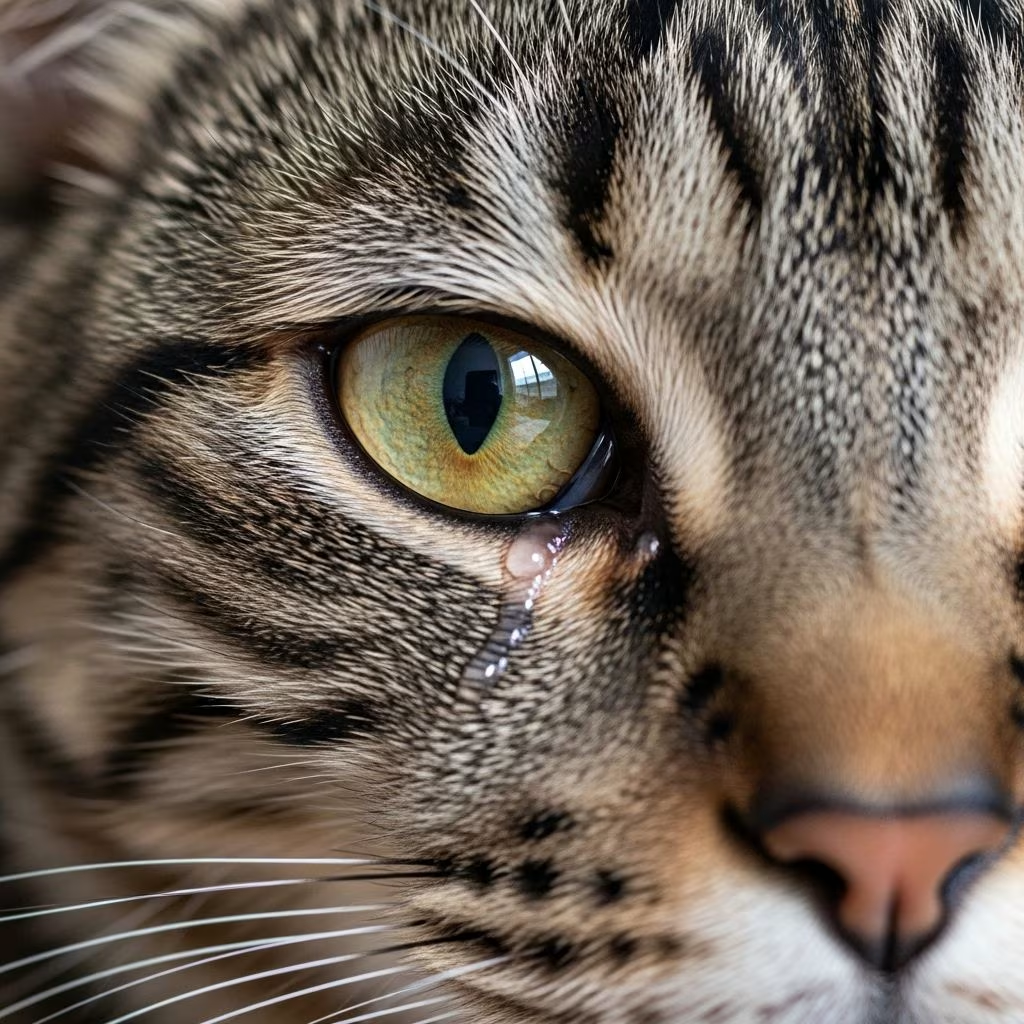
Understanding Lacrimal Duct Obstruction in Cats
The lacrimal drainage system in cats is a sophisticated mechanism designed to produce tears that protect the eye and drain excess fluid through a pathway called the nasolacrimal duct. When this duct becomes obstructed, tears cannot drain properly, leading to a condition known as lacrimal duct obstruction or nasolacrimal duct obstruction. This is a relatively common condition affecting cats of various ages and breeds, though it can be particularly problematic in certain situations. Understanding this condition is essential for cat owners who want to maintain their pet’s eye health and comfort.
Lacrimal duct obstruction can range from mild to severe, with some cases resolving on their own while others require professional veterinary intervention. The condition primarily affects tear drainage, causing visible signs that often prompt cat owners to seek veterinary care. Early recognition and treatment can prevent complications and improve the quality of life for affected cats.
What Are the Clinical Signs of Lacrimal Duct Obstruction?
The clinical manifestations of lacrimal duct obstruction are highly variable and depend on the severity and duration of the blockage. Most commonly, affected cats display excessive watering of the eyes, which may appear as increased tear production or constant wetness around the eye area. This excessive tearing, also known as epiphora, is often the first sign noticed by cat owners.
Primary Symptoms
One of the most distinctive signs of lacrimal duct obstruction is reddish-colored tear staining on the face, particularly beneath the eyes and extending down the cheeks. This staining occurs because tears contain minerals and pigments that leave discoloration when they sit on the fur for extended periods. The staining is largely cosmetic but can become quite pronounced in cats with light-colored fur.
In chronic or severe cases where the blockage persists over an extended period, bacteria begin to proliferate in the moist environment created by the trapped tears. This bacterial growth can lead to several complications. Many owners notice their cat’s face develops a distinctly foul odor due to the presence of these bacteria colonizing the wet hair around the eyes. This unpleasant smell is a clear indicator that secondary infection has developed.
Secondary Complications
Beyond the obvious signs of excessive tearing and staining, cats with untreated or chronic lacrimal duct obstruction frequently develop skin infections beneath the eyes. These infections result from the constant moisture and bacterial growth in the area. The affected skin typically becomes red and inflamed, causing the cat discomfort and itching. Some cats develop visible swelling beneath the eyes, and hair loss (alopecia) may occur in severe cases due to constant licking and irritation. The combination of redness, itching, swelling, and hair loss creates a cycle of irritation that can significantly impact the cat’s comfort.
What Causes Lacrimal Duct Obstruction?
Lacrimal duct obstruction can develop from various underlying causes, and identifying the specific cause is crucial for determining the most appropriate treatment strategy. The obstruction may result from inflammatory conditions, physical blockages, structural abnormalities, infections, or even malignancies.
Common Causes
Inflammation of the nasolacrimal duct itself can lead to swelling that narrows or completely blocks the passageway. This inflammation may stem from allergic reactions, respiratory infections, or other systemic conditions. Foreign materials, such as plant material, debris, or even hair, can become lodged within the duct and create a physical obstruction. Bacterial or fungal infections can cause swelling and discharge that blocks the duct. In some cases, tumors or masses can develop along the drainage pathway, compressing or occluding the duct. Congenital abnormalities, where the duct opening (puncta) is underdeveloped or absent, can be present from birth. Traumatic injuries to the face or eye region can damage the delicate duct structure. Previous surgery or scarring in the area can result in stricture formation that narrows the duct.
How Is Lacrimal Duct Obstruction Diagnosed?
Accurate diagnosis of lacrimal duct obstruction requires a thorough veterinary examination. The veterinarian will begin with a comprehensive assessment of the cat’s eye health and the specific symptoms being experienced.
Diagnostic Procedures
The primary diagnostic approach involves direct visualization of the lacrimal system. In a sedated patient, the veterinarian examines the eye with magnification to determine whether a duct opening (punctum) is visible at the medial canthus (inner corner of the eye). This examination is crucial because it confirms the presence of a functional opening. If the opening is visible and patent, the veterinarian can insert a thin tube called a cannula into the opening and use it to flush sterile saline into the nasolacrimal duct.
The flushing procedure serves dual purposes: it can alleviate mild obstructions by physically dislodging the blockage, and it provides diagnostic information about the severity of the obstruction. If the saline flows freely through the duct, the duct is patent. If the saline backs up or does not flow through, the obstruction is confirmed. This test helps differentiate between partial and complete obstructions.
Additional diagnostic tools may include fluorescein dye testing, where colored dye is instilled into the eye to track its drainage pattern. Bacterial culture and sensitivity testing may be performed if infection is suspected, particularly if there is purulent discharge. Advanced imaging such as radiographs or computed tomography (CT) scans may be recommended when the blockage is suspected to be caused by a mass or structural abnormality that requires further evaluation.
How Is Lacrimal Duct Obstruction Treated?
Treatment options for lacrimal duct obstruction vary depending on the underlying cause, severity of the blockage, and the cat’s overall health status. A stepwise approach is typically employed, beginning with conservative measures and progressing to more invasive interventions as needed.
Medical Management
In cases where nasolacrimal duct obstruction is caused by inflammation or infection, medical therapy is often the first line of treatment. Anti-inflammatory medications help reduce swelling within the duct and surrounding tissues, potentially restoring normal drainage. Antibiotics are prescribed when bacterial infection is present or suspected, either as topical eye drops or oral medications. A typical antibiotic course ranges from 7 to 14 days, though some cases require extended treatment. It is essential to use all medications exactly as recommended by the veterinarian and to return for all scheduled rechecks to maximize the chances of resolving the obstruction.
Tear Duct Flushing
For obstructions that do not respond to medical management or for those that are resistant to initial treatment, tear duct flushing may be recommended. This procedure involves irrigating the nasolacrimal duct with sterile saline solution to physically remove accumulated debris, mucus, or other material causing the obstruction. The veterinarian inserts a small cannula into the tear duct opening and gently flushes fluid through the duct to clear the blockage. The procedure is performed under light sedation to keep the cat calm and comfortable. Most cats experience immediate relief after successful flushing, with noticeably reduced tearing within hours to days. The procedure typically takes only a few minutes per eye.
After flushing, some cats may experience slightly increased tearing or mild discomfort for 24 to 48 hours, which is normal. The veterinarian may prescribe anti-inflammatory eye drops to reduce any residual swelling and help prevent reblockage. For cats with chronic issues or recurrent blockages, tear duct flushing may need to be repeated periodically, with the frequency varying greatly depending on the underlying cause.
Surgical Intervention
In cases of severe, persistent, or recurrent nasolacrimal duct obstruction, or when the obstruction is caused by structural abnormalities or masses, surgical intervention may become necessary. Several surgical approaches are available depending on the specific nature of the problem:
Punctal Surgery: In some cases, surgery can be used to enlarge the opening to the duct (the puncta) to improve drainage and prevent future blockages. This procedure is particularly useful when the opening is too small or partially closed.
Foreign Body or Tumor Removal: If the obstruction is caused by a foreign object lodged in the duct or a tumor compressing the duct, surgical access allows for direct removal of the offending material.
Stent Placement: In more severe cases, a stent (a small flexible tube) may be placed within the lacrimal duct to maintain patency and allow tears to flow normally during healing. The stent prevents scar tissue formation and obstruction while the duct heals.
Dacryocystorhinostomy (DCR): For cases where the normal duct cannot be restored, this procedure creates a new drainage pathway from the lacrimal sac directly to the nasal cavity, bypassing the damaged or obstructed portion of the original duct.
The prognosis following surgery is generally favorable, with most cats experiencing significant improvement in their symptoms. Recovery typically involves post-operative care with prescribed medications and follow-up examinations to ensure proper healing.
What Happens If Lacrimal Duct Obstruction Is Not Treated?
The consequences of leaving lacrimal duct obstruction untreated can be significant and progressively problematic for the affected cat. Without intervention, the condition will cause continued issues with tear staining, which while primarily cosmetic, can become quite extensive and resistant to cleaning efforts. More importantly, untreated cats have substantially increased likelihood of developing skin infections around the eyes due to the excessive moisture and bacterial growth in the area.
As bacteria proliferate in the chronically moist environment, the affected skin becomes increasingly irritated and inflamed. This can lead to significant discomfort, itching, and self-trauma from the cat’s attempts to alleviate the discomfort through excessive licking and rubbing. In severe chronic cases, the continued irritation and infection can result in permanent changes to the skin, including scarring, permanent hair loss, and ongoing inflammatory changes. The foul odor associated with bacterial colonization can become quite pronounced. Additionally, if the underlying cause of the obstruction is a mass or infection in the lacrimal system, leaving it untreated allows the condition to potentially worsen or spread. Early treatment prevents these complications and provides the best outcome for the affected cat.
Prognosis and Long-Term Management
The prognosis for lacrimal duct obstruction in cats is variable and depends on several factors including the underlying cause, severity of the obstruction, the cat’s age and overall health, and the treatment approach employed. In many cases, particularly those caused by inflammation or mild blockages, the prognosis is excellent with appropriate medical or procedural treatment. Cases caused by anatomical abnormalities or masses may have a more guarded prognosis but still respond well to targeted surgical intervention.
With proper treatment, recurrence is relatively low when the underlying cause is identified and resolved. Regular follow-up examinations help monitor the cat’s progress and detect any early signs of reobstruction. Maintaining good eye hygiene and promptly addressing any signs of eye irritation or discharge can help prevent recurrence. Some cats may require periodic monitoring or preventive treatments, particularly if they have a predisposition to blockages.
Frequently Asked Questions (FAQs)
Q: Is lacrimal duct obstruction painful for my cat?
A: While the obstruction itself may not cause severe pain, the secondary complications such as skin infections and irritation can cause discomfort and itching. Early treatment minimizes this discomfort and prevents complications.
Q: Can lacrimal duct obstruction resolve on its own?
A: Mild obstructions caused by inflammation or minor blockages may occasionally resolve spontaneously, but most cases require veterinary intervention to prevent complications. It is best to consult with your veterinarian for proper evaluation.
Q: How often will my cat need tear duct flushing treatments?
A: The frequency of flushing depends on the underlying cause and how well your cat responds to initial treatment. Some cats remain clear after a single flushing, while others with chronic issues may require periodic treatments every few months.
Q: Are there any at-home remedies for lacrimal duct obstruction?
A: While warm compresses applied gently to the affected eye may provide comfort and help reduce inflammation, they are not a substitute for veterinary diagnosis and treatment. Professional evaluation is essential to determine the underlying cause and appropriate treatment.
Q: Can lacrimal duct obstruction affect both eyes?
A: Yes, obstruction can affect one or both eyes. Some conditions that cause obstruction, such as systemic inflammation or infection, may affect both eyes, while others may be unilateral.
Q: What should I do if I notice excessive tearing or staining in my cat’s eyes?
A: Schedule an appointment with your veterinarian as soon as possible. Early diagnosis and treatment prevent complications and ensure better outcomes for your cat.
References
- Lacrimal Duct Obstruction in Cats — VCA Animal Hospitals. 2024. https://vcahospitals.com/know-your-pet/lacrimal-duct-obstruction-in-cats
- Tear Duct Blockage in Cats: 5 Essential Treatments That Work — The Pet Vet. 2024. https://thepetvet.com/tear-duct-blockage-in-cats/
- Watery Eyes (Epiphora) in Cats — PetMD. 2024. https://www.petmd.com/cat/conditions/eyes/watery-eyes-epiphora-cats
- Blocked Tear Ducts (Dacryocystitis) in Cats – Causes, Treatment and Management — Vetster. 2024. https://vetster.com/en/conditions/cat/blocked-tear-ducts
- Tear Duct Infections In Pets: Dacryocystitis — Veterinary Vision Center. 2024. https://veterinaryvisioncenter.com/tear-duct-infections-in-pets-dacryocystitis/
- Nasolacrimal Duct Disease in Cats (Felis) — Vetlexicon. 2024. https://www.vetlexicon.com/felis/ophthalmology/articles/nasolacrimal-duct-disease/



