

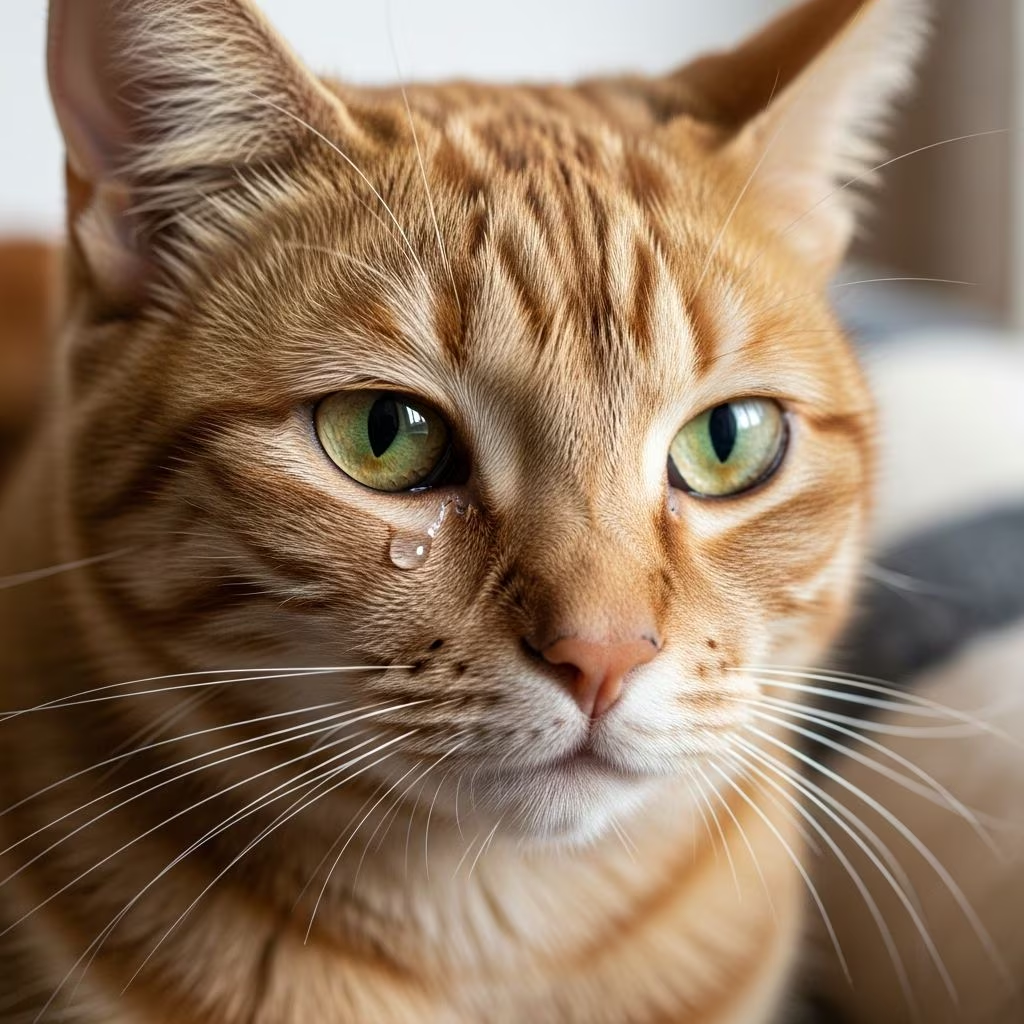
Lacrimal Duct Obstruction in Cats: A Comprehensive Guide
Lacrimal duct obstruction, also known as nasolacrimal duct obstruction or tear duct blockage, is a common ocular condition affecting cats of various ages and breeds. This condition occurs when the natural drainage system for tears becomes partially or completely blocked, preventing normal tear flow from the eye to the nasal passages. While often considered primarily a cosmetic concern, untreated lacrimal duct obstruction can lead to serious complications including chronic eye infections, skin irritation, and significant discomfort for affected felines. Understanding this condition, recognizing its signs, and knowing available treatment options can help cat owners provide appropriate care and prevent long-term complications.
Understanding Lacrimal Duct Obstruction
The lacrimal system in cats functions as a complex drainage mechanism designed to keep the eyes moist and healthy. Tears are continuously produced by the lacrimal gland and distributed across the eye surface through blinking. These tears serve multiple purposes: maintaining corneal health, providing lubrication, and delivering immune components that protect against infection. Normally, tears drain through small openings called puncta located at the inner corner of each eye. These puncta lead into small channels called canaliculi, which connect to the lacrimal sac, and finally to the nasolacrimal duct. This duct carries tears into the nasal passages, which is why your cat’s nose stays slightly moist.
When obstruction occurs anywhere along this drainage pathway, tears accumulate in the eye rather than draining properly. This backup of tears can result from various causes, including inflammation, bacterial infections, foreign material, anatomical abnormalities, or tumors. Certain cat breeds, particularly those with flattened facial features, may be predisposed to this condition due to their anatomy. Understanding the underlying cause of the obstruction is crucial for determining the most appropriate treatment approach.
Clinical Signs of Lacrimal Duct Obstruction
The signs of nasolacrimal duct obstruction vary depending on the severity and duration of the blockage. Most commonly, cat owners notice primarily cosmetic symptoms, though these can progress to more serious issues if left untreated.
Common Symptoms Include:
- Excessive watering of the eyes or continuous tearing
- Reddish-colored tear staining on the face, particularly beneath the eyes
- Wet appearance around the eyes and on the fur
- Mild conjunctival redness or inflammation
In chronic or severe cases, the situation becomes more problematic. The constant moisture around the eyes creates an ideal environment for bacterial growth. Cat owners may notice their cat’s face develops a foul or unpleasant odor due to the presence of these bacteria colonizing the moist hair and skin. Additionally, cats may develop a secondary skin infection below the eyes, characterized by redness, itching, swelling, and potentially hair loss in the affected area. Some cats show signs of ocular discomfort, including squinting or mild eye irritation. If you notice any of these signs in your cat, a veterinary examination is recommended to rule out more serious underlying conditions and to determine the appropriate course of action.
Causes of Lacrimal Duct Obstruction
Lacrimal duct obstruction can result from multiple underlying causes. Inflammation of the nasolacrimal duct or surrounding tissues is a common cause, often secondary to upper respiratory infections or allergies. Bacterial or viral infections can directly cause swelling that obstructs the duct opening. Some cats develop mucus plugs or accumulation of debris within the duct system. Foreign bodies, such as grass awns or other small objects, occasionally become lodged within the duct. Anatomical abnormalities, either congenital or acquired, can narrow the duct opening. Scarring from previous trauma or chronic inflammation may permanently compromise duct function. In some cases, tumors or growths may compress or obstruct the duct. Chronic eye conditions such as keratitis or conjunctivitis can also contribute to duct obstruction through secondary inflammation.
Diagnosis of Lacrimal Duct Obstruction
Veterinarians employ several diagnostic techniques to confirm lacrimal duct obstruction and determine its underlying cause. The diagnostic process begins with a thorough history and physical examination. Your veterinarian will examine your cat’s eyes carefully, looking for signs of tear overflow, staining, discharge, or skin irritation.
Diagnostic Procedures:
- Ocular examination with magnification to visualize the tear duct opening at the eye
- Fluorescein dye testing to assess tear production and drainage patterns
- Saline flushing of the duct to evaluate patency and identify obstructions
- Cytology examination of any discharge to identify infectious agents
- Bacterial culture to determine specific pathogens and antibiotic sensitivity
- Diagnostic imaging such as radiographs or CT scans for complex cases
In a sedated patient, the veterinarian can examine the eye with magnification to ensure that a duct opening is visible at the eye. If this opening is visible, a thin tube called a cannula can be inserted into the opening and used to flush sterile saline solution into the nasolacrimal duct. This flushing may be sufficient to alleviate mild obstructions and can also help the veterinarian diagnose more severe obstructions by revealing resistance to fluid flow or the nature of the material causing the blockage. These diagnostic procedures help establish a definitive diagnosis and guide treatment planning.
Treatment Options for Lacrimal Duct Obstruction
Treatment for lacrimal duct obstruction depends on the underlying cause, severity of the condition, and individual patient factors. A range of therapeutic approaches is available, from conservative medical management to advanced surgical interventions.
Medical Management
When nasolacrimal duct obstruction is caused by inflammation or infection, conservative medical approaches are often attempted first. Anti-inflammatory medications can reduce swelling of the duct tissue and surrounding structures, potentially opening the blocked passage. Antibiotics address bacterial infections contributing to the obstruction. Use all medications exactly as recommended by your veterinarian and return for all scheduled rechecks to maximize the chances of resolving your cat’s lacrimal duct obstruction. Topical antibiotic or anti-inflammatory eye drops may be prescribed for direct application to the eye. Oral medications may be necessary for systemic infections or severe inflammation.
Warm Compress Therapy
Warm compress therapy represents a simple, non-invasive first-line treatment for mild tear duct blockages. Applying gentle heat to the affected area helps loosen accumulated debris and reduce inflammation around the tear ducts. The warmth increases blood circulation to the area, promoting natural healing processes. To apply a warm compress correctly, soak a clean, soft cloth in warm (not hot) water, gently wring out excess water, and hold the compress against the inner corner of the affected eye for 5-10 minutes. Apply gentle pressure but avoid pressing directly on the eyeball. Repeat this process 2-3 times daily. Most cats tolerate this treatment well once they become accustomed to it, and many owners report improvement within several days of consistent application.
Tear Duct Flushing
For persistent blockages that do not respond to more conservative treatments, tear duct flushing may be recommended. This procedure involves irrigating the tear ducts with sterile saline solution to physically remove accumulated debris, mucus, or other material causing the obstruction. The procedure is typically performed by a veterinarian and may require light sedation to keep your cat still and comfortable during the procedure. The veterinarian inserts a small cannula into the tear duct opening and gently flushes fluid through the duct to clear the blockage. The procedure typically takes only a few minutes per eye. Most cats experience immediate relief after successful flushing, with noticeably reduced tearing within hours. After the procedure, your cat may experience slightly increased tearing or mild discomfort for 24-48 hours. Your veterinarian might prescribe anti-inflammatory eye drops to reduce any swelling and prevent reblockage. For some cats with chronic issues, tear duct flushing may need to be repeated periodically.
Surgical Intervention
When blockages are severe, persistent, or caused by structural abnormalities, surgical intervention may become necessary. Several surgical approaches are available depending on the specific nature of the problem. Surgery may be used to enlarge the opening to the duct, remove tumors that are compressing the duct, or remove foreign material from the duct. In more severe cases, a stent may be placed to allow flow through the lacrimal duct. For complex obstructions, procedures such as dacryocystorhinostomy (DCR) create a new drainage pathway when the normal duct cannot be restored. Canaliculoplasty involves surgical repair of the tear duct canals. The prognosis is generally good with proper surgical treatment, and recurrence is low if the underlying cause is identified and resolved.
Prognosis and Long-Term Management
With proper treatment, the prognosis for lacrimal duct obstruction is generally favorable. The outcome depends significantly on identifying and addressing the underlying cause. Most cats respond well to medical management or minimally invasive procedures like duct flushing. Those requiring surgery typically experience good recovery with minimal need for future monitoring, provided the causative condition is successfully treated.
Long-term management involves maintaining regular veterinary check-ups, continuing prescribed medications as directed, and monitoring your cat’s eyes for any recurrence of symptoms. Preventive care, including regular facial cleaning and prompt treatment of eye infections or upper respiratory infections, can help prevent future episodes. If your cat has chronic or recurrent tear staining, establish a regular cleaning routine to prevent skin infections and maintain your cat’s comfort and appearance.
What Happens If Lacrimal Duct Obstruction Is Not Treated
Without treatment, lacrimal duct obstruction will cause continued issues with tear staining and cosmetic concerns. However, the risks extend beyond appearance. Untreated cats have an increased likelihood of skin infection around the eyes due to excessive moisture. The constant wetness and bacterial colonization can lead to painful dermatitis, hair loss, and significant discomfort. Chronic secondary infections may develop, potentially requiring more intensive treatment. In rare cases, chronic obstruction can lead to more serious ocular complications. Early intervention and appropriate treatment prevent these complications and improve your cat’s quality of life significantly.
Frequently Asked Questions About Lacrimal Duct Obstruction
Q: Are certain cat breeds more prone to lacrimal duct obstruction?
A: Yes, cats with flattened facial features, such as Persians, Himalayans, and other brachycephalic breeds, are predisposed to lacrimal duct obstruction due to their facial anatomy and the positioning of their tear drainage systems.
Q: Can lacrimal duct obstruction resolve on its own?
A: In some cases of mild inflammation-related obstruction, the condition may partially resolve with time and supportive care. However, most cases require veterinary intervention to prevent complications and ensure proper drainage.
Q: Is lacrimal duct obstruction painful for cats?
A: While mild obstruction is primarily a cosmetic concern, chronic cases with secondary infections or skin irritation can cause significant discomfort and itching for affected cats.
Q: How long does tear duct flushing take?
A: The flushing procedure typically takes only a few minutes per eye and is often performed under light sedation to ensure your cat remains still and comfortable.
Q: Will my cat need ongoing treatment after duct flushing?
A: This depends on the underlying cause and severity of the obstruction. Some cats remain clear after a single treatment, while others with chronic issues may require periodic flushing or ongoing medication.
Q: What is the success rate of surgical treatment?
A: Surgical intervention has generally favorable outcomes with good recovery rates and low recurrence when the underlying cause is properly identified and resolved. Your veterinarian can discuss specific success rates for your cat’s particular situation.
References
- Lacrimal Duct Obstruction in Cats — VCA Animal Hospitals. 2024. https://vcahospitals.com/know-your-pet/lacrimal-duct-obstruction-in-cats
- Watery Eyes (Epiphora) in Cats — PetMD. 2024. https://www.petmd.com/cat/conditions/eyes/watery-eyes-epiphora-cats
- Blocked Tear Ducts (Dacryocystitis) in Cats – Causes, Treatment and Recovery — Vetster. 2024. https://vetster.com/en/conditions/cat/blocked-tear-ducts
- Tear Duct Blockage in Cats: 5 Essential Treatments That Work — The Pet Vet. 2024. https://thepetvet.com/tear-duct-blockage-in-cats/
- Tear Duct Infections In Pets: Dacryocystitis — Veterinary Vision Center. 2024. https://veterinaryvisioncenter.com/tear-duct-infections-in-pets-dacryocystitis/
- Stenting of a Partially Obstructed Nasolacrimal Duct Using A Polypropylene Suture in a Cat — National Center for Biotechnology Information (NCBI). 2023. https://pmc.ncbi.nlm.nih.gov/articles/PMC9867780/
- Nasolacrimal Duct Disease in Cats — Vetlexicon. 2024. https://www.vetlexicon.com/felis/ophthalmology/articles/nasolacrimal-duct-disease/



